Union presses PTO conversion and buyback options; district signals need for concessions
May 05, 2026 | Dodge , School Boards, Kansas
This article was created by AI summarizing key points discussed. AI makes mistakes, so for full details and context, please refer to the video of the full meeting. Please report any errors so we can fix them. Report an error »
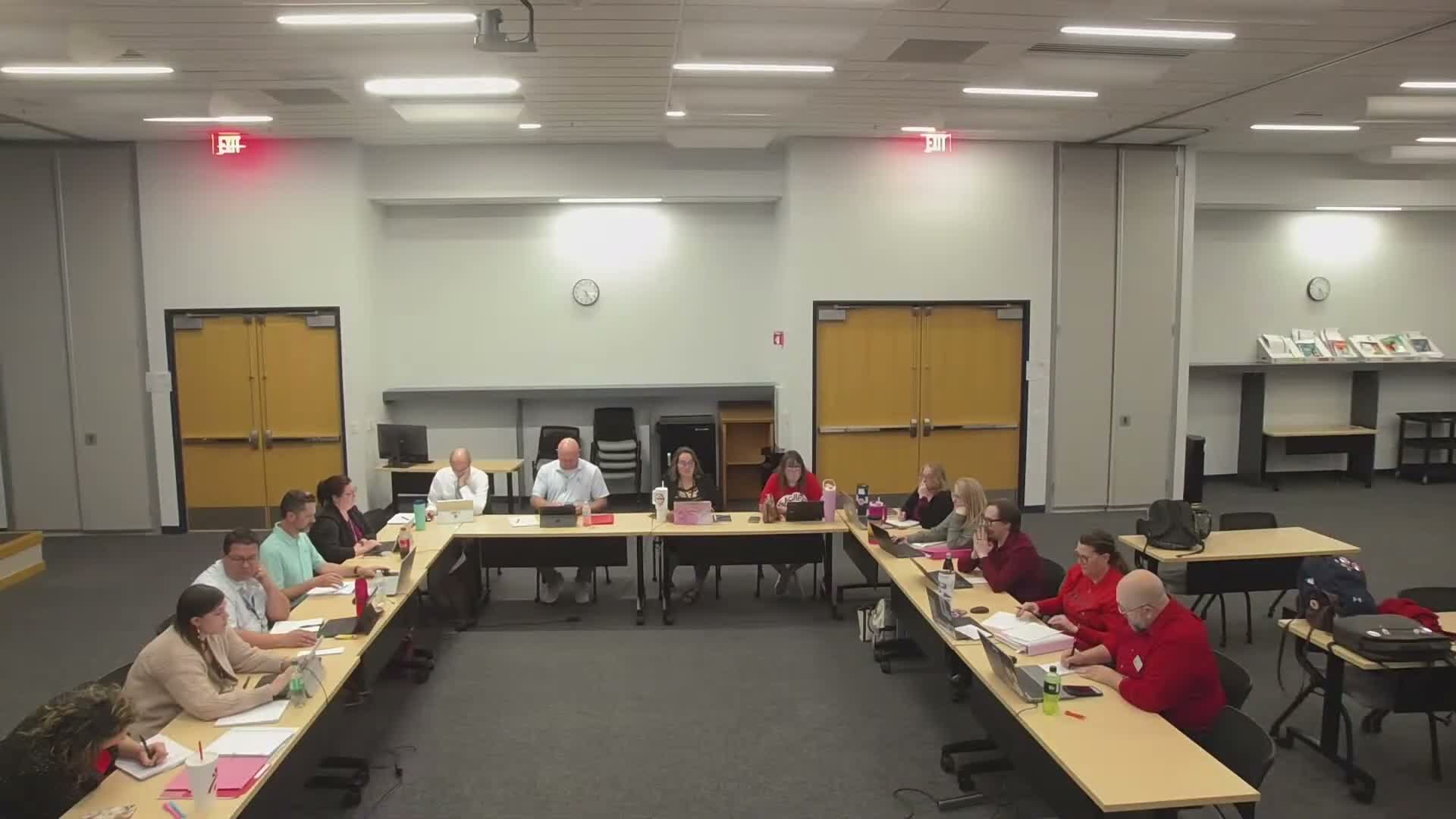
Bargaining representatives asked negotiators to replace separate sick and personal leave banks with a single PTO bank that would roll unused PTO into accumulated sick time under specified rules, and to allow staff to sell back up to two PTO days each year. The union framed the change as aligning with practices in other districts and said unused PTO should roll into sick time rather than vanish.
“...if you don't use your PTO, then they roll into the sick just like that's pretty standard on the languages,” one bargaining representative said while explaining sample language from other districts. District negotiators said much of the suggested language would need review to ensure it fit local policy and flagged concerns about identifiability of survey responses tied to bargaining information.
District staff said to carry a PTO conversion to a boardratifiable proposal the parties would likely need concessions. The district representative outlined two concession concepts: reduce the maximum number of discretionary days from 12 and substantially lower the large accumulated cap (described in the discussion as approximately 105 days). Several participants raised the compromise option used elsewhere of buying back days at an average daily rate when reducing maximum days.
Negotiators agreed to draft specific language for PTO conversion and to review alternative wordings for accumulated leave and buyback mechanics in a follow‑up session. The parties also agreed smaller working groups could draft language before full committee review so the district and bargaining unit could examine impacts prior to board consideration.
“...if you don't use your PTO, then they roll into the sick just like that's pretty standard on the languages,” one bargaining representative said while explaining sample language from other districts. District negotiators said much of the suggested language would need review to ensure it fit local policy and flagged concerns about identifiability of survey responses tied to bargaining information.
District staff said to carry a PTO conversion to a boardratifiable proposal the parties would likely need concessions. The district representative outlined two concession concepts: reduce the maximum number of discretionary days from 12 and substantially lower the large accumulated cap (described in the discussion as approximately 105 days). Several participants raised the compromise option used elsewhere of buying back days at an average daily rate when reducing maximum days.
Negotiators agreed to draft specific language for PTO conversion and to review alternative wordings for accumulated leave and buyback mechanics in a follow‑up session. The parties also agreed smaller working groups could draft language before full committee review so the district and bargaining unit could examine impacts prior to board consideration.
Don't Miss a Word: See the Full Meeting!
Go beyond summaries. Unlock every video, transcript, and key insight with a Founder Membership.
✓
Get instant access to full meeting videos
✓
Search and clip any phrase from complete transcripts
✓
Receive AI-powered summaries & custom alerts
✓
Enjoy lifetime, unrestricted access to government data
30-day money-back guarantee
