Think tank offers five locally controlled revenue ideas as New York City faces multibillion-dollar shortfall
May 06, 2026 | Bronx County/City, New York
This article was created by AI summarizing key points discussed. AI makes mistakes, so for full details and context, please refer to the video of the full meeting. Please report any errors so we can fix them. Report an error »
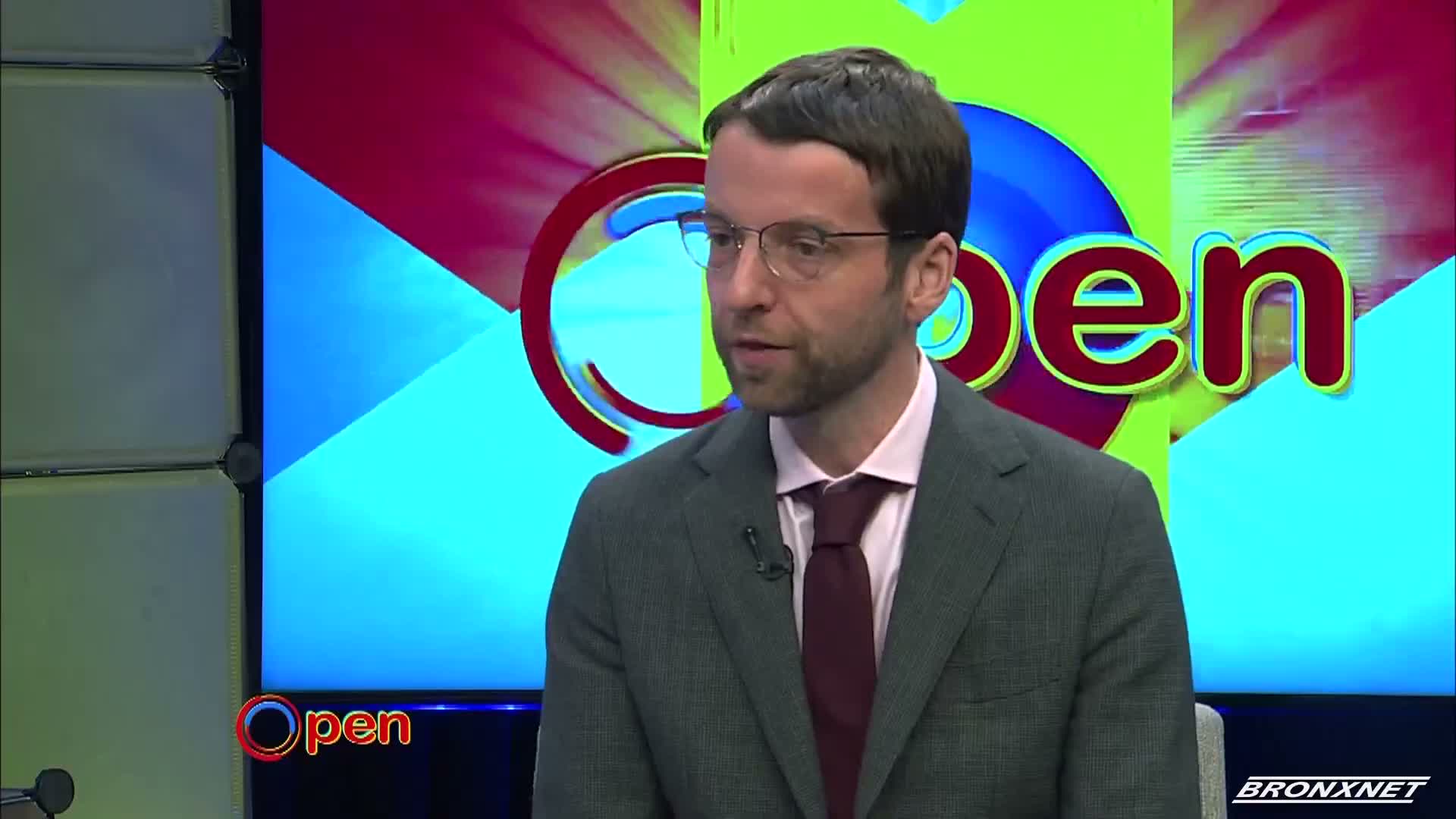
The city faces a multibillion-dollar budget gap, and a new report from the Center for an Urban Future proposes five revenue strategies the city can implement mostly within its own authority to raise funds and address other policy needs.
Eli Dvorkin, the think tank's editorial policy director, told BronxNet the package includes expanding paid curbside parking, charging impact fees for autonomous-vehicle operators, leasing underused CUNY parcels for housing, placing battery storage on city-owned sites, and growing concessions in parks. He said the proposals aim to raise recurring revenue and to address problems such as parking turnover, transit access, campus underuse, grid resiliency, and park upkeep.
On curb parking, Dvorkin urged a modest, block-by-block approach to expand metered spots beyond the small share currently metered, arguing that greater turnover helps small businesses and reduces time spent circling for spots. He said the Department of Transportation has the authority to implement modest expansions without lengthy approvals.
Dvorkin also recommended preparing policies now to capture revenue from autonomous vehicles, including possible impact fees or per-ride surcharges, noting that driver labor is a large share of current ride-hail costs and that the city should plan to capture value as the technology scales.
On housing, the report suggests modest infill on underused CUNY parcels adjacent to transit and roadways. The city would keep land ownership while leasing sites for long-term affordable or mixed-income housing, with lease payments used to support systemwide maintenance and student-success programs, the report says.
Dvorkin described battery storage on identified city sites as both a resiliency and revenue opportunity; operators would pay to build facilities that help meet the city's storage goals. He also urged expanding park concessions to create visitor amenities and fee revenue that could be reinvested in park maintenance and programming.
Dvorkin framed the recommendations against the current fiscal moment: the state budget from Albany was late and city leaders were already adjusting schedules to see what revenue will arrive from the state. He said the city will likely need both savings and new revenue and that practical, achievable ideas under local control deserve attention now.
Dvorkin's full report and related analysis are available at nycfuture.org, he told the program.
Eli Dvorkin, the think tank's editorial policy director, told BronxNet the package includes expanding paid curbside parking, charging impact fees for autonomous-vehicle operators, leasing underused CUNY parcels for housing, placing battery storage on city-owned sites, and growing concessions in parks. He said the proposals aim to raise recurring revenue and to address problems such as parking turnover, transit access, campus underuse, grid resiliency, and park upkeep.
On curb parking, Dvorkin urged a modest, block-by-block approach to expand metered spots beyond the small share currently metered, arguing that greater turnover helps small businesses and reduces time spent circling for spots. He said the Department of Transportation has the authority to implement modest expansions without lengthy approvals.
Dvorkin also recommended preparing policies now to capture revenue from autonomous vehicles, including possible impact fees or per-ride surcharges, noting that driver labor is a large share of current ride-hail costs and that the city should plan to capture value as the technology scales.
On housing, the report suggests modest infill on underused CUNY parcels adjacent to transit and roadways. The city would keep land ownership while leasing sites for long-term affordable or mixed-income housing, with lease payments used to support systemwide maintenance and student-success programs, the report says.
Dvorkin described battery storage on identified city sites as both a resiliency and revenue opportunity; operators would pay to build facilities that help meet the city's storage goals. He also urged expanding park concessions to create visitor amenities and fee revenue that could be reinvested in park maintenance and programming.
Dvorkin framed the recommendations against the current fiscal moment: the state budget from Albany was late and city leaders were already adjusting schedules to see what revenue will arrive from the state. He said the city will likely need both savings and new revenue and that practical, achievable ideas under local control deserve attention now.
Dvorkin's full report and related analysis are available at nycfuture.org, he told the program.
Don't Miss a Word: See the Full Meeting!
Go beyond summaries. Unlock every video, transcript, and key insight with a Founder Membership.
✓
Get instant access to full meeting videos
✓
Search and clip any phrase from complete transcripts
✓
Receive AI-powered summaries & custom alerts
✓
Enjoy lifetime, unrestricted access to government data
30-day money-back guarantee
