Housing witness tells House committee most recent construction has occurred outside designated growth areas
May 06, 2026 | General & Housing, HOUSE OF REPRESENTATIVES, Committees, Legislative , Vermont
This article was created by AI summarizing key points discussed. AI makes mistakes, so for full details and context, please refer to the video of the full meeting. Please report any errors so we can fix them. Report an error »
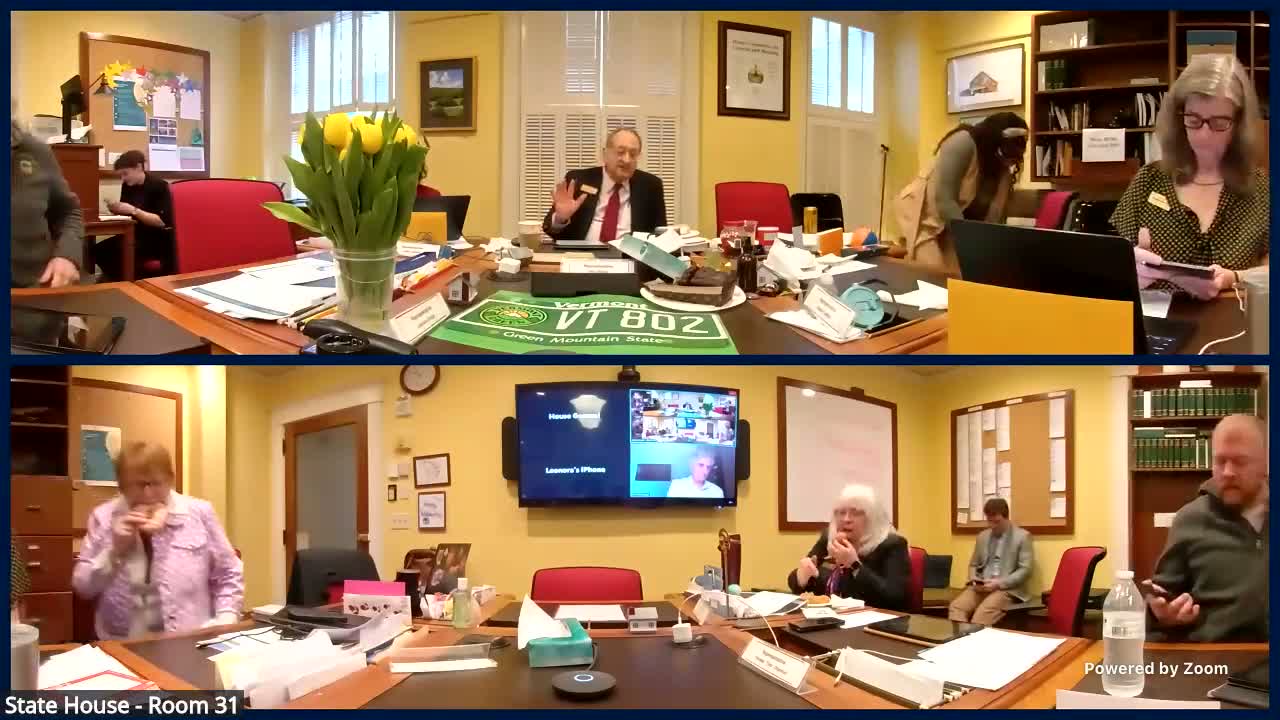
Miro Weinberger, executive chairperson of Westfield Homes, told the House Committee on Housing on May 6 that an analysis of state data suggests a majority of new housing built since 2021 is located outside the interim housing areas that serve as proxies for future Tier 1 growth zones.
"We're seeing 60 outside, 40% inside," Weinberger said, describing a map-based review of projects in the state's housing dashboard and an E‑911–style project database. He warned the committee that the current distribution leaves Vermont well short of the statutory goal that a substantial majority of new housing growth occur in designated growth areas.
The testimony combined market observations with policy recommendations. Weinberger said Chittenden County experienced record production in 2024 and continued gains in 2025 that have pushed vacancy rates higher, offering some local relief. But he cautioned the committee that similar shifts in the past were temporary and that recent units were often financed under earlier, lower-cost conditions, so the trend may not persist without continued policy support.
Weinberger attributed part of the recent housing dynamics to in‑migration during the pandemic and to temporary motel conversions funded by federal programs that have since expired. "We essentially lost those temporarily created units," he said, linking the end of federal funding to continued pressure on housing and rising homelessness rates.
Turning to policy, Weinberger identified two implementation bottlenecks: mapping decisions at the Land Use Review Board (which he said cut some municipal Tier 1 maps by 10–30%) and limits in local tools for creating small‑scale single‑family or "missing middle" housing in denser areas. He said S.325, a bill before the Legislature, would loosen village and downtown development area definitions and could preserve more Tier 1 eligibility for some municipalities.
To encourage more construction inside Tier 1 areas, Weinberger proposed several reforms: allow gentler infill and smaller lots, promote accessory dwelling units and incremental development, and consider targeted fiscal incentives. He specifically floated eliminating the sales tax on new construction in Tier 1 areas, saying the change would lower construction costs by about 3% and that neighboring states are pursuing similar measures.
Committee members raised budgetary concerns about cutting tax revenue and urged any proposal be revenue‑neutral or accompanied by an offset. Weinberger responded that a rigorous fiscal analysis — for example by the Joint Fiscal Office — could model whether stimulative effects might offset revenue losses over time.
Weinberger also urged simplification of affordable‑housing finance. He told members Vermont returns a portion of its 4% federal tax credit allocation each year, and he suggested better use of that authority could deliver more permanently affordable units. He applauded the Vermont Housing Finance Agency’s (VHFA) ongoing reviews of financing rules that may add cost and time to projects.
On program implementation, Weinberger said his group, Let's Build Homes, will focus on making the Community Housing Infrastructure Program (CHIP) usable for communities statewide. "The program has been open for about 90 days," he said, and Let's Build Homes is convening bankers, lawyers, municipalities and developers to ensure the program serves small and large communities alike.
The committee did not take votes at the hearing. Members invited Weinberger to return with additional analysis and details, and he said Let's Build Homes will continue engagement on Tier 1 mapping, CHIP implementation and a package of reforms for the next session.
"We're seeing 60 outside, 40% inside," Weinberger said, describing a map-based review of projects in the state's housing dashboard and an E‑911–style project database. He warned the committee that the current distribution leaves Vermont well short of the statutory goal that a substantial majority of new housing growth occur in designated growth areas.
The testimony combined market observations with policy recommendations. Weinberger said Chittenden County experienced record production in 2024 and continued gains in 2025 that have pushed vacancy rates higher, offering some local relief. But he cautioned the committee that similar shifts in the past were temporary and that recent units were often financed under earlier, lower-cost conditions, so the trend may not persist without continued policy support.
Weinberger attributed part of the recent housing dynamics to in‑migration during the pandemic and to temporary motel conversions funded by federal programs that have since expired. "We essentially lost those temporarily created units," he said, linking the end of federal funding to continued pressure on housing and rising homelessness rates.
Turning to policy, Weinberger identified two implementation bottlenecks: mapping decisions at the Land Use Review Board (which he said cut some municipal Tier 1 maps by 10–30%) and limits in local tools for creating small‑scale single‑family or "missing middle" housing in denser areas. He said S.325, a bill before the Legislature, would loosen village and downtown development area definitions and could preserve more Tier 1 eligibility for some municipalities.
To encourage more construction inside Tier 1 areas, Weinberger proposed several reforms: allow gentler infill and smaller lots, promote accessory dwelling units and incremental development, and consider targeted fiscal incentives. He specifically floated eliminating the sales tax on new construction in Tier 1 areas, saying the change would lower construction costs by about 3% and that neighboring states are pursuing similar measures.
Committee members raised budgetary concerns about cutting tax revenue and urged any proposal be revenue‑neutral or accompanied by an offset. Weinberger responded that a rigorous fiscal analysis — for example by the Joint Fiscal Office — could model whether stimulative effects might offset revenue losses over time.
Weinberger also urged simplification of affordable‑housing finance. He told members Vermont returns a portion of its 4% federal tax credit allocation each year, and he suggested better use of that authority could deliver more permanently affordable units. He applauded the Vermont Housing Finance Agency’s (VHFA) ongoing reviews of financing rules that may add cost and time to projects.
On program implementation, Weinberger said his group, Let's Build Homes, will focus on making the Community Housing Infrastructure Program (CHIP) usable for communities statewide. "The program has been open for about 90 days," he said, and Let's Build Homes is convening bankers, lawyers, municipalities and developers to ensure the program serves small and large communities alike.
The committee did not take votes at the hearing. Members invited Weinberger to return with additional analysis and details, and he said Let's Build Homes will continue engagement on Tier 1 mapping, CHIP implementation and a package of reforms for the next session.
View the Full Meeting & All Its Details
This article offers just a summary. Unlock complete video, transcripts, and insights as a Founder Member.
✓
Watch full, unedited meeting videos
✓
Search every word spoken in unlimited transcripts
✓
AI summaries & real-time alerts (all government levels)
✓
Permanent access to expanding government content
30-day money-back guarantee
