Chair ends executive session with no action; meeting recessed to May 15
May 04, 2026 | Rankin County, Mississippi
This article was created by AI summarizing key points discussed. AI makes mistakes, so for full details and context, please refer to the video of the full meeting. Please report any errors so we can fix them. Report an error »
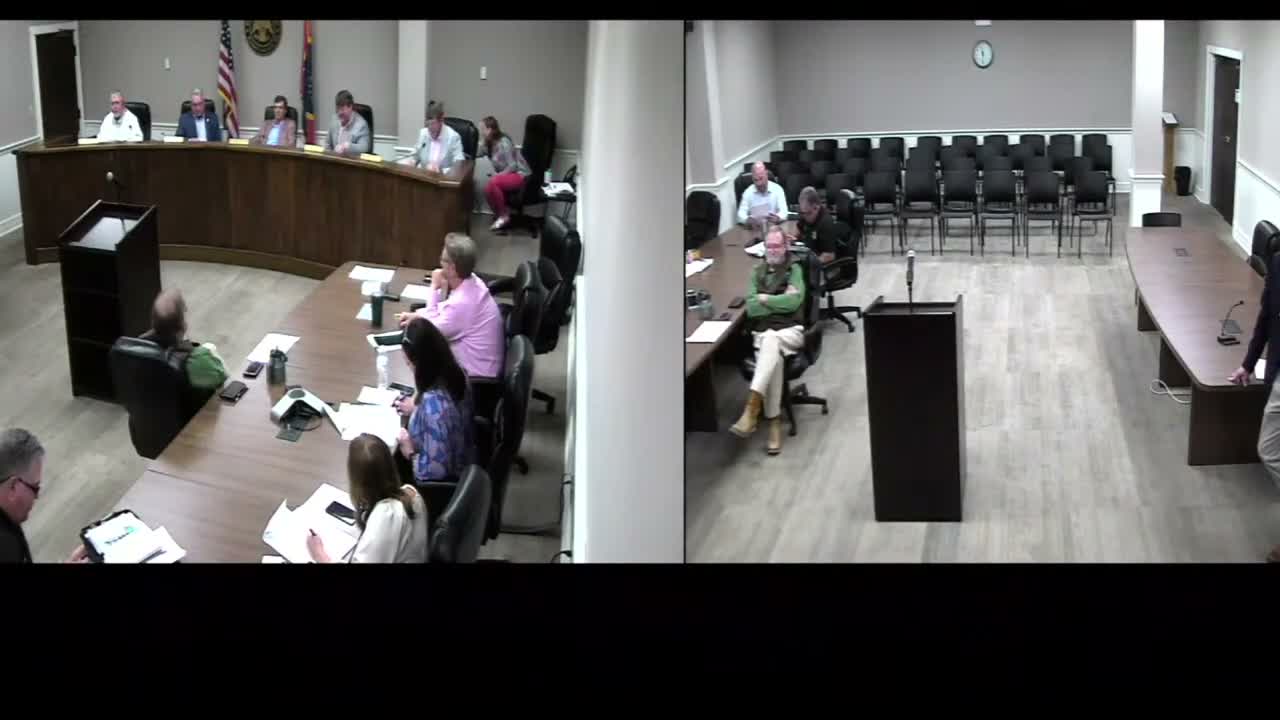
The chair moved to end an executive session and called for a vote, saying, "I'll make a motion to come out of executive session." The chair then asked for any further discussion, conducted a voice vote and declared the motion carried.
The transcript records that no formal action was taken during the executive session: "Just to let the record reflect, there was no action taken during executive session." Following that, a separate motion to recess the meeting until May 15 was made and seconded; the chair again called a voice vote and announced the motion carried.
Why it matters: executive sessions are used for confidential deliberations. Recording that no action was taken signals that the body made no formal decisions while in closed session and will resume public business at a later date.
What the record shows: the transcript includes both procedural prompts by the chair and short entries naming other participants. It explicitly records that "Jay made a motion to come out of executive session" and "Steve seconded that motion," and later records that "Brad made a motion to recess May 15" with "Veil [seconding] that motion." The transcript does not provide vote tallies or a meeting date; the decision to recess sets the next stated meeting date as May 15.
Next step: the meeting was recessed to May 15. The transcript does not list any formal votes taken during the previously closed executive session.
The transcript records that no formal action was taken during the executive session: "Just to let the record reflect, there was no action taken during executive session." Following that, a separate motion to recess the meeting until May 15 was made and seconded; the chair again called a voice vote and announced the motion carried.
Why it matters: executive sessions are used for confidential deliberations. Recording that no action was taken signals that the body made no formal decisions while in closed session and will resume public business at a later date.
What the record shows: the transcript includes both procedural prompts by the chair and short entries naming other participants. It explicitly records that "Jay made a motion to come out of executive session" and "Steve seconded that motion," and later records that "Brad made a motion to recess May 15" with "Veil [seconding] that motion." The transcript does not provide vote tallies or a meeting date; the decision to recess sets the next stated meeting date as May 15.
Next step: the meeting was recessed to May 15. The transcript does not list any formal votes taken during the previously closed executive session.
Don't Miss a Word: See the Full Meeting!
Go beyond summaries. Unlock every video, transcript, and key insight with a Founder Membership.
✓
Get instant access to full meeting videos
✓
Search and clip any phrase from complete transcripts
✓
Receive AI-powered summaries & custom alerts
✓
Enjoy lifetime, unrestricted access to government data
30-day money-back guarantee
