VoTech budget trimmed; Berwick trustees consider shared services for special‑education and business management
May 04, 2026 | Berwick Area SD, School Districts, Pennsylvania
This article was created by AI summarizing key points discussed. AI makes mistakes, so for full details and context, please refer to the video of the full meeting. Please report any errors so we can fix them. Report an error »
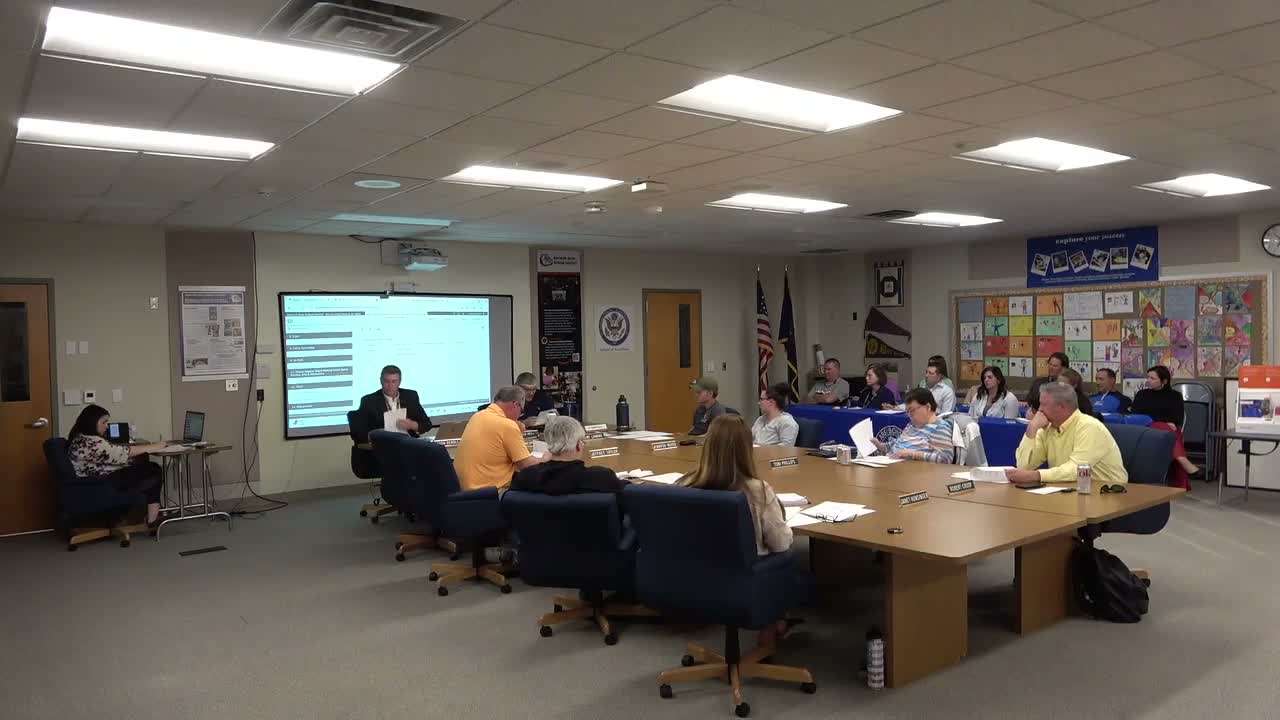
The board reviewed a revised VoTech preliminary budget that administrators said had been reduced significantly from an earlier projection (which staff described as around a $700,000 deficit) to an amount in the low‑to‑mid hundreds of thousands. The presenting official summarized reductions, retirements and potential positions that would shift costs, including not replacing two positions outright but pursuing shared services.
Administrators and sending‑district representatives discussed a shared‑services model for a business manager and a special‑education director (examples included contracting through the Intermediate Unit or hiring a retired director for 2–3 days onsite). Staff said the shared services approach could bridge the budget for the next year but emphasized monitoring and the possibility that districts might return later if the model did not function as hoped.
The presenting official also flagged that some eliminations (two positions) would amount to about $387,000 in savings in the model discussed, and that administrative consulting services (listed at $30,000) and other line items were part of the package. Board members said the plan could be a reasonable first step while the districts study longer‑term sustainability.
Why it matters: the VoTech budget affects multiple sending districts and personnel decisions (notably special education and business administration) and therefore has operational and fiscal consequences across the region. The board emphasized continuing study, monitoring and consultation with sending superintendents prior to final votes.
Next steps: staff will continue to work with sending districts and bring final figures and proposed actions back to the board; the transcript records consensus to proceed with follow‑up and further monitoring but no final adoption in the work session.
Administrators and sending‑district representatives discussed a shared‑services model for a business manager and a special‑education director (examples included contracting through the Intermediate Unit or hiring a retired director for 2–3 days onsite). Staff said the shared services approach could bridge the budget for the next year but emphasized monitoring and the possibility that districts might return later if the model did not function as hoped.
The presenting official also flagged that some eliminations (two positions) would amount to about $387,000 in savings in the model discussed, and that administrative consulting services (listed at $30,000) and other line items were part of the package. Board members said the plan could be a reasonable first step while the districts study longer‑term sustainability.
Why it matters: the VoTech budget affects multiple sending districts and personnel decisions (notably special education and business administration) and therefore has operational and fiscal consequences across the region. The board emphasized continuing study, monitoring and consultation with sending superintendents prior to final votes.
Next steps: staff will continue to work with sending districts and bring final figures and proposed actions back to the board; the transcript records consensus to proceed with follow‑up and further monitoring but no final adoption in the work session.
View the Full Meeting & All Its Details
This article offers just a summary. Unlock complete video, transcripts, and insights as a Founder Member.
✓
Watch full, unedited meeting videos
✓
Search every word spoken in unlimited transcripts
✓
AI summaries & real-time alerts (all government levels)
✓
Permanent access to expanding government content
30-day money-back guarantee
