Council hears proposed stricter enforcement for certificates of occupancy and construction without permits
May 04, 2026 | Idaho Falls, Bonneville County, Idaho
This article was created by AI summarizing key points discussed. AI makes mistakes, so for full details and context, please refer to the video of the full meeting. Please report any errors so we can fix them. Report an error »
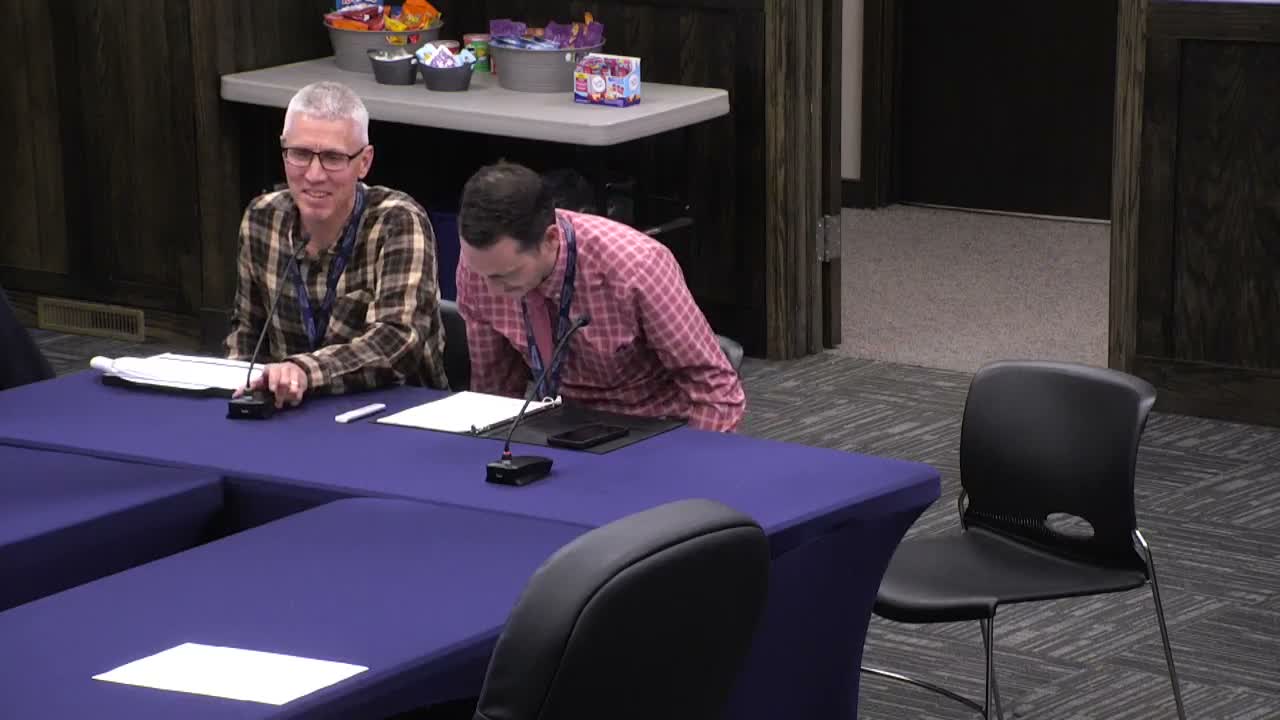
Staff from Community Development Services presented draft ordinance language aimed at strengthening enforcement when buildings are occupied without a certificate of occupancy or when construction occurs without required permits.
Chief building official Cody (introduced by staff) explained the two-part problem: properties occupied without a certificate of occupancy and construction started without a permit. The draft requires an initial "do not occupy" notice and calendar-based enforcement: the first offense is an infraction, daily continuing infractions can escalate, and repeated or egregious violations can become misdemeanors. In construction cases, property owners would have seven days to apply for required permits following a stop-work order; repeated failures could trigger additional infractions and eventual misdemeanor charges.
Councilors raised the practical fairness issue of tenants who move into a home in good faith at a builder's instruction and later discover the certificate is missing. Staff and legal said enforcement is aimed at the property owner/applicant (often the builder) and that the permitting system can be changed to require a signed acknowledgment upon permit application; that signature would strengthen the enforcement posture while protecting unwitting occupants.
Council discussed operational matters including: how long permit reviews typically take, examples of tests or inspections that may be required when work was covered up, and whether fee surcharges deter retroactive permitting. Staff said many jurisdictions adopt a permit-fee surcharge (double-fee or fixed surcharge) to discourage unpermitted work and that the city could adopt a tiered approach with limited escalations for health-and-safety hazards.
No vote was held; staff said the language would be refined to address concerns about timetables, appeal/refund language, and explicit collaboration with the fire marshal for health-and-safety escalations.
Chief building official Cody (introduced by staff) explained the two-part problem: properties occupied without a certificate of occupancy and construction started without a permit. The draft requires an initial "do not occupy" notice and calendar-based enforcement: the first offense is an infraction, daily continuing infractions can escalate, and repeated or egregious violations can become misdemeanors. In construction cases, property owners would have seven days to apply for required permits following a stop-work order; repeated failures could trigger additional infractions and eventual misdemeanor charges.
Councilors raised the practical fairness issue of tenants who move into a home in good faith at a builder's instruction and later discover the certificate is missing. Staff and legal said enforcement is aimed at the property owner/applicant (often the builder) and that the permitting system can be changed to require a signed acknowledgment upon permit application; that signature would strengthen the enforcement posture while protecting unwitting occupants.
Council discussed operational matters including: how long permit reviews typically take, examples of tests or inspections that may be required when work was covered up, and whether fee surcharges deter retroactive permitting. Staff said many jurisdictions adopt a permit-fee surcharge (double-fee or fixed surcharge) to discourage unpermitted work and that the city could adopt a tiered approach with limited escalations for health-and-safety hazards.
No vote was held; staff said the language would be refined to address concerns about timetables, appeal/refund language, and explicit collaboration with the fire marshal for health-and-safety escalations.
View the Full Meeting & All Its Details
This article offers just a summary. Unlock complete video, transcripts, and insights as a Founder Member.
✓
Watch full, unedited meeting videos
✓
Search every word spoken in unlimited transcripts
✓
AI summaries & real-time alerts (all government levels)
✓
Permanent access to expanding government content
30-day money-back guarantee
