Panel reviews verdict and spoliation rulings in DigiNovations dispute
May 04, 2026 | Judicial - Appeals Court Oral Arguments, Judicial, Massachusetts
This article was created by AI summarizing key points discussed. AI makes mistakes, so for full details and context, please refer to the video of the full meeting. Please report any errors so we can fix them. Report an error »
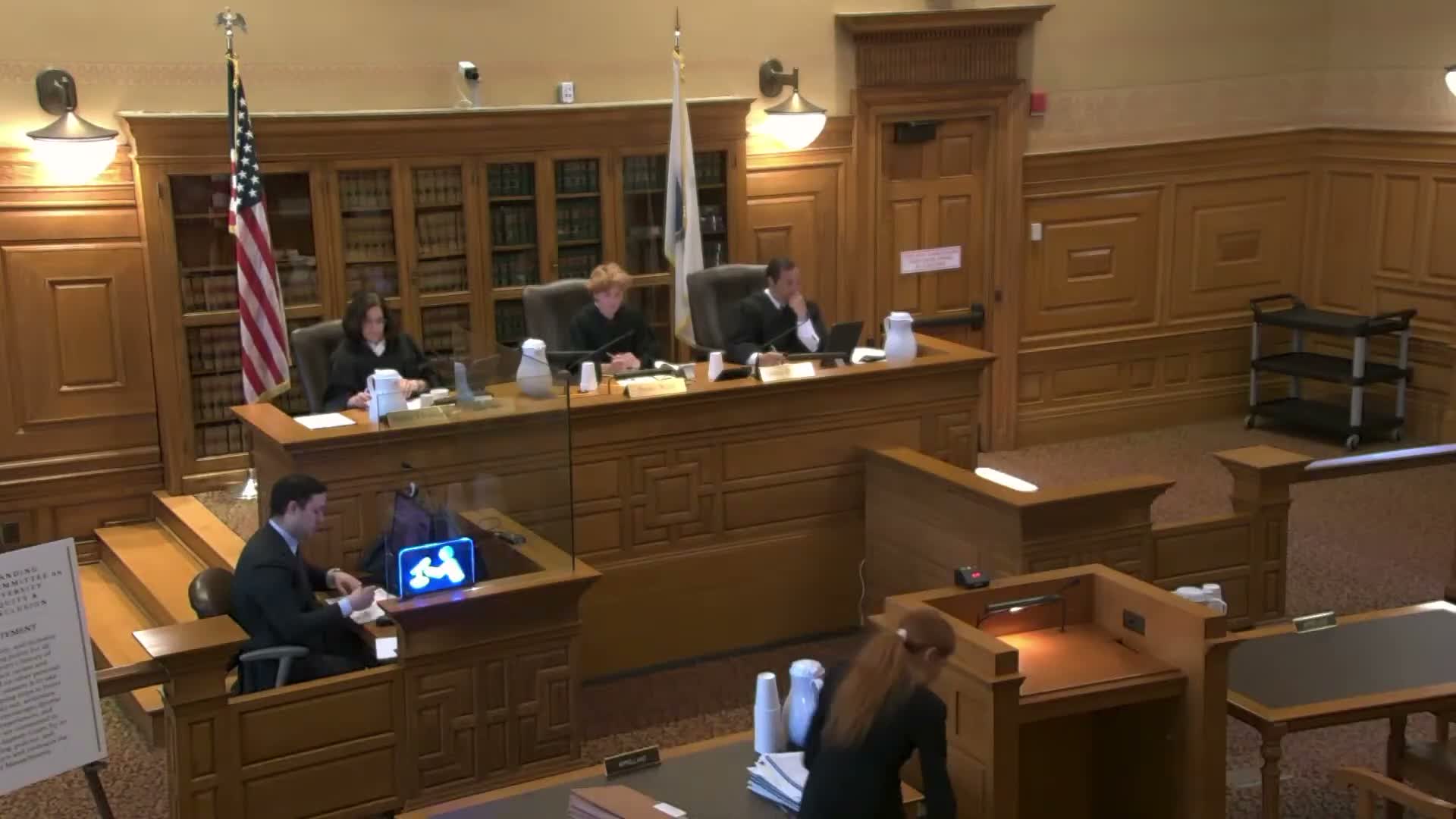
"May it please the court," Justin Engel told the panel, opening for the appellants in DigiNovations v. Veil. Engel said the plaintiff never produced a copy of the alleged restrictive covenant and that no witness testified the appellants had assented to or signed such an agreement. He argued the adverse‑inference instruction and spoliation sanctions improperly allowed the jury to infer an agreement that lacked evidentiary support and asked for reversal or a new trial on damages.
Amanda Phillips, counsel for DigiNovations, responded that the verdict rests on independent fiduciary‑duty and tort findings that were not challenged on appeal. "The adverse inference instruction was not the basis for the verdict," she said; she told the panel the jury used the instruction only to evaluate gaps caused by destruction of evidence and that trial rulings stayed within the judge's discretion. The parties disputed waiver, whether trial objections were preserved, and how the verdict form and jury instructions interact with joint-and‑several liability and apportionment of damages.
Justices pressed both sides on what objections were properly preserved, what the jury form actually required, and whether the record supports remanding only damages or ordering broader relief. Counsel for the appellants invoked precedent (IOSH and related decisions) to argue that an undifferentiated lump‑sum verdict requires reversal when some underlying claims are defective; DigiNovations countered that the fiduciary breach standing alone supports the award and that the jury appropriately avoided double counting.
After argument the panel submitted the case for decision.
Amanda Phillips, counsel for DigiNovations, responded that the verdict rests on independent fiduciary‑duty and tort findings that were not challenged on appeal. "The adverse inference instruction was not the basis for the verdict," she said; she told the panel the jury used the instruction only to evaluate gaps caused by destruction of evidence and that trial rulings stayed within the judge's discretion. The parties disputed waiver, whether trial objections were preserved, and how the verdict form and jury instructions interact with joint-and‑several liability and apportionment of damages.
Justices pressed both sides on what objections were properly preserved, what the jury form actually required, and whether the record supports remanding only damages or ordering broader relief. Counsel for the appellants invoked precedent (IOSH and related decisions) to argue that an undifferentiated lump‑sum verdict requires reversal when some underlying claims are defective; DigiNovations countered that the fiduciary breach standing alone supports the award and that the jury appropriately avoided double counting.
After argument the panel submitted the case for decision.
Don't Miss a Word: See the Full Meeting!
Go beyond summaries. Unlock every video, transcript, and key insight with a Founder Membership.
✓
Get instant access to full meeting videos
✓
Search and clip any phrase from complete transcripts
✓
Receive AI-powered summaries & custom alerts
✓
Enjoy lifetime, unrestricted access to government data
30-day money-back guarantee
