Appeals panel considers reach of default findings in property‑transfer dispute
May 04, 2026 | Judicial - Appeals Court Oral Arguments, Judicial, Massachusetts
This article was created by AI summarizing key points discussed. AI makes mistakes, so for full details and context, please refer to the video of the full meeting. Please report any errors so we can fix them. Report an error »
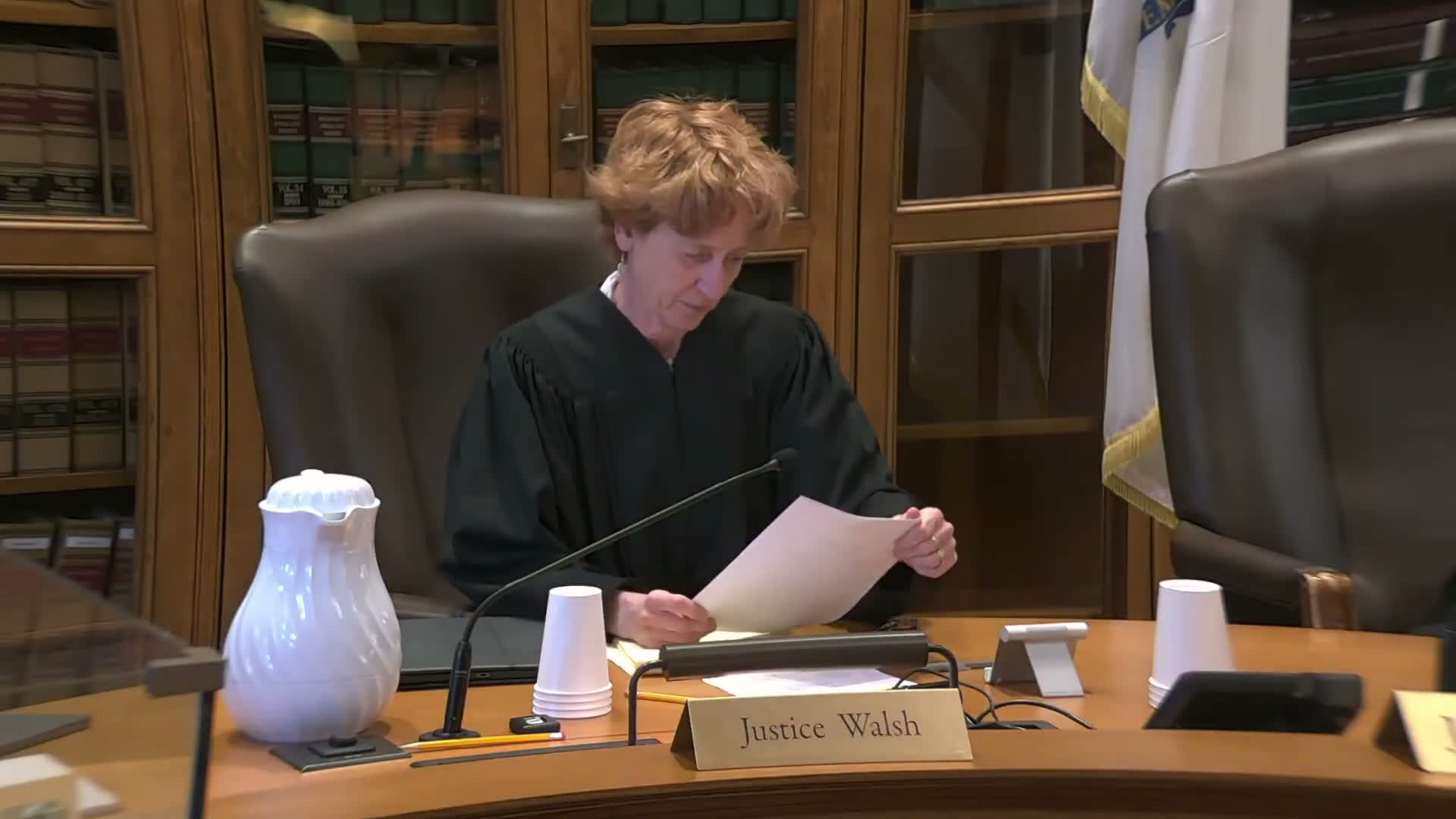
Peter Farber opened for the appellants in the action arising from a contested property conveyance, stressing that a default by William Von Thaden admitted the complaint's allegations and that superior‑court review failed to address dissipation evidence. "He admitted that his intent was to convey the property to his spouse through this collusive divorce and... to hinder, delay, defraud his creditors," counsel said, asking the panel to treat the default as evidentiary admission as to liability.
Defense counsel Robert C. Lawless and other respondents replied that the probate and family court proceedings produced detailed factual findings, many exhibits and testimony, and that superior‑court proceedings offered the non‑defaulting parties an opportunity to present contrary evidence. Counsel noted that default binds only the defaulting party and argued that findings against him do not automatically bind the non‑defaulting transferee.
The court directed sustained questioning at both sides about how prior divorce findings should be admitted, whether hearsay concerns and lack of cross‑examination undermine their evidentiary value, and whether there was equivalent value or dissipation consistent with a fraudulent‑conveyance claim. The panel also pressed the parties on the adequacy of the record for awarding attachments and the sufficiency of the escrow amount referenced in the probate case.
After argument the matter was submitted.
Defense counsel Robert C. Lawless and other respondents replied that the probate and family court proceedings produced detailed factual findings, many exhibits and testimony, and that superior‑court proceedings offered the non‑defaulting parties an opportunity to present contrary evidence. Counsel noted that default binds only the defaulting party and argued that findings against him do not automatically bind the non‑defaulting transferee.
The court directed sustained questioning at both sides about how prior divorce findings should be admitted, whether hearsay concerns and lack of cross‑examination undermine their evidentiary value, and whether there was equivalent value or dissipation consistent with a fraudulent‑conveyance claim. The panel also pressed the parties on the adequacy of the record for awarding attachments and the sufficiency of the escrow amount referenced in the probate case.
After argument the matter was submitted.
Don't Miss a Word: See the Full Meeting!
Go beyond summaries. Unlock every video, transcript, and key insight with a Founder Membership.
✓
Get instant access to full meeting videos
✓
Search and clip any phrase from complete transcripts
✓
Receive AI-powered summaries & custom alerts
✓
Enjoy lifetime, unrestricted access to government data
30-day money-back guarantee
