Appeals court reviews contested valuations and sale orders in divorce remainder
May 04, 2026 | Judicial - Appeals Court Oral Arguments, Judicial, Massachusetts
This article was created by AI summarizing key points discussed. AI makes mistakes, so for full details and context, please refer to the video of the full meeting. Please report any errors so we can fix them. Report an error »
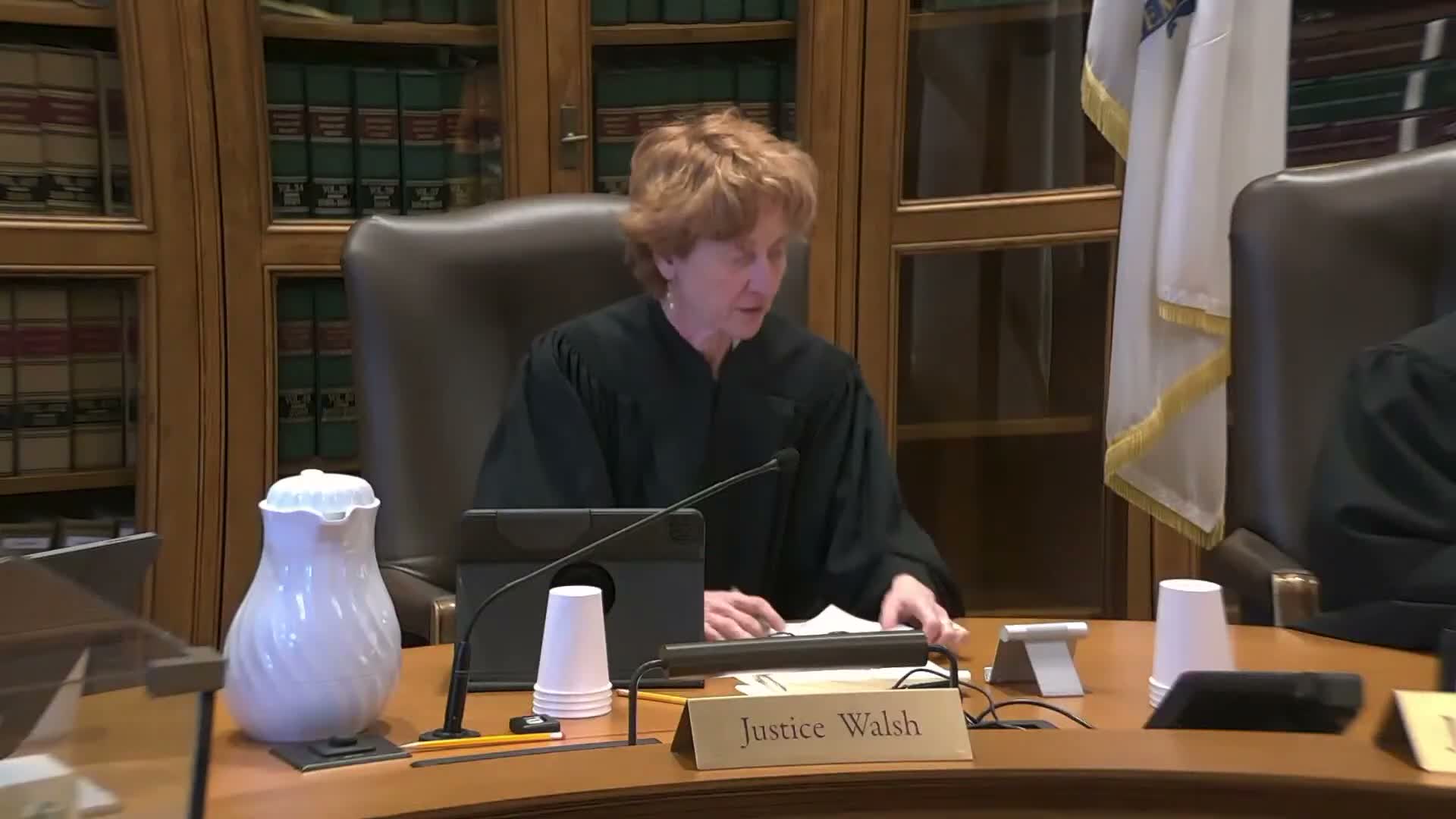
Appellant counsel Peter Coopersin pressed the panel to reverse or amend a divorce judgment that orders sale or buyout of several assets and that, he said, ambiguously treated Damrell Street and other entities. "When you interpret an ambiguous judgment, you need to search the entire record for clues... and the record shows the husband had the first option to buy out the wife's interest," counsel argued.
Counsel for the wife, Kevin Powers, urged deference, saying the trial judge's disposition of business and real‑estate assets fell within the range of reasonable alternatives. Powers said the judgment's "net proceeds" language covers commissions, taxes and expenses and that if net proceeds are negative, the parties would share the resulting shortfall consistent with the judgment.
The panel questioned both sides about whether the judge intended a buyout option or an outright sale for Damrell Street, whether previously agreed appraisals and stipulations accounted for debt and personal guarantees, and whether the denial of post‑judgment motions to clarify or amend was an abuse of discretion. The judges also explored whether Fidelity and EIDL loans and other personal guarantees should be treated as business liabilities affecting net proceeds.
Counsel for the wife, Kevin Powers, urged deference, saying the trial judge's disposition of business and real‑estate assets fell within the range of reasonable alternatives. Powers said the judgment's "net proceeds" language covers commissions, taxes and expenses and that if net proceeds are negative, the parties would share the resulting shortfall consistent with the judgment.
The panel questioned both sides about whether the judge intended a buyout option or an outright sale for Damrell Street, whether previously agreed appraisals and stipulations accounted for debt and personal guarantees, and whether the denial of post‑judgment motions to clarify or amend was an abuse of discretion. The judges also explored whether Fidelity and EIDL loans and other personal guarantees should be treated as business liabilities affecting net proceeds.
View the Full Meeting & All Its Details
This article offers just a summary. Unlock complete video, transcripts, and insights as a Founder Member.
✓
Watch full, unedited meeting videos
✓
Search every word spoken in unlimited transcripts
✓
AI summaries & real-time alerts (all government levels)
✓
Permanent access to expanding government content
30-day money-back guarantee
