Vernon Township School District proposes 5.81% levy increase to fund 2026–27 budget; public commenters urge cuts
May 01, 2026 | Vernon Township School District, School Districts, New Jersey
This article was created by AI summarizing key points discussed. AI makes mistakes, so for full details and context, please refer to the video of the full meeting. Please report any errors so we can fix them. Report an error »
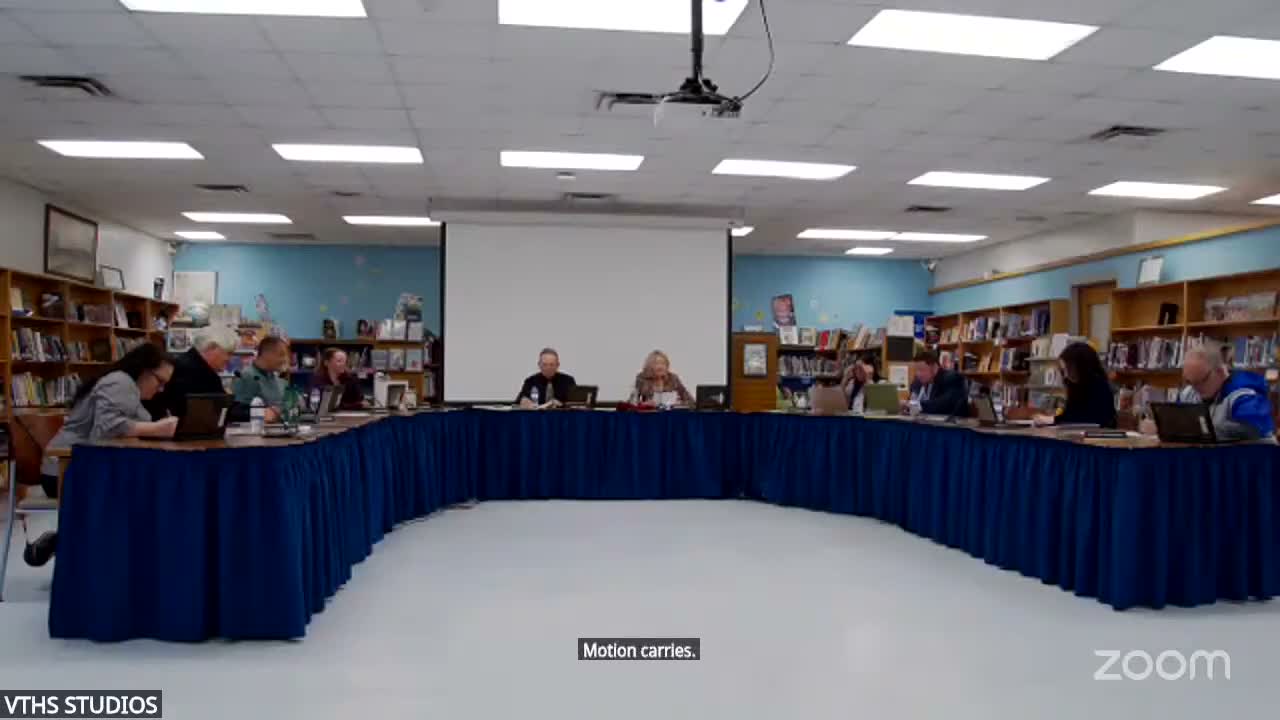
Vernon Township School District officials on April 30 presented a proposed $55,165,220 tax levy for the 2026–27 school year — a roughly $3 million increase, or a 5.81% levy rise that includes a 2% cap plus a health-care adjustment — and detailed how the money would be used to expand preschool, restore positions and bolster special-education supports.
Superintendent Ebony Dominguez opened the public hearing by framing the budget as a step in a multi-year recovery from cuts the district made in 2023. "I think what you'll hear from Mr. Slam and I this evening is that this budget here is not a solution. It's a journey toward restoring the things that were lost in order to meet the needs of our students adequately, thoroughly, and efficiently," Dominguez said. She described the district as serving about 3,102 students across six schools and said preschool currently serves 366 students in 23 classrooms with two new classrooms opening in September.
Business administrator Ray Slam laid out the principal cost drivers shaping the proposal, citing a recent 25% increase in health-care premiums and other structural costs such as transportation and utilities. "We had an increase in January of about 25% for our health benefits," Slam said, and he described steps the administration took — staffing realignments, vendor negotiations and use of federal reimbursements — to close an initial budget gap of roughly $1 million.
District finance staff said the state aid formula would have calculated Vernon’s need at about $22.2 million, but a statutory cap limited the allowable increase to about $19.6 million this year, leaving an estimated $2.6 million shortfall the district is not receiving from the state. The presenters said the district proposes to rely on a combination of fund balance, allowable offsets and modest internal savings rather than making program cuts. The administration also said it is not recommending use of the full health-care cost adjustment, leaving about $676,429 of that adjustment unused.
The budget would fund targeted staffing changes and program restorations. Dominguez highlighted priorities including reducing kindergarten class size from 21 to 19 through an added kindergarten teacher, adding two special-education teachers to address state class-size requirements at specific schools, creating interventionist positions at elementary schools through realignments, and adding a districtwide preK–12 ELA supervisory position. The superintendent said special education accounts for approximately 25% of Vernon students and that state special-education aid for the district declined by $191,258 from the prior year.
Finance staff explained the district’s use of fund balance and reserves and warned against a rapid drawdown. They described an unassigned fund balance of roughly $1.6 million (about 2%), noted the district has reduced excess surplus over recent years and said the budget includes a component of excess surplus restricted for 2026–27 that will appear as revenue in the coming year.
Public commenters at the hearing voiced concern about the tax impact and past district decisions. Resident Doreen Edwards urged the board to "vote no to this increase," saying homeowners are already strained. Peggy Palladini delivered a lengthy statement alleging prior board errors — including her claim that the board sent a member's child to an unapproved out-of-district placement that she said cost taxpayers about $800,000 — and urged greater fiscal accountability. The administration and board did not substantively debate those allegations during the public comment period; the statements were presented as remarks from members of the public.
Colleen Granzan, president of the VTEA, urged support for the budget, saying the association gives back to schools and that cuts would harm students. Another resident commended the current board for addressing prior mistakes and urged continued work to stabilize the district’s finances.
No formal vote on the 2026–27 budget was recorded in the public-hearing segment of the transcript reviewed; on this agenda night the board held the public hearing and heard comments, and the administration said the user-friendly budget would be posted online and the formal vote would follow the district’s required process.
The board also completed routine business: the meeting convened and recessed for a closed session earlier in the evening, and the board approved minutes from the March 26 meeting with one abstention. The administration said the next public meeting is scheduled for May 21, 2026, and that the budget presentation materials would be posted to the district website for further review.
The budget figures presented, the projected tax impact and the district’s fund-balance strategy were the primary facts discussed; residents at the hearing asked the board to reduce the proposed levy and raised concerns about past fiscal decisions that they said called for greater transparency and oversight.
Superintendent Ebony Dominguez opened the public hearing by framing the budget as a step in a multi-year recovery from cuts the district made in 2023. "I think what you'll hear from Mr. Slam and I this evening is that this budget here is not a solution. It's a journey toward restoring the things that were lost in order to meet the needs of our students adequately, thoroughly, and efficiently," Dominguez said. She described the district as serving about 3,102 students across six schools and said preschool currently serves 366 students in 23 classrooms with two new classrooms opening in September.
Business administrator Ray Slam laid out the principal cost drivers shaping the proposal, citing a recent 25% increase in health-care premiums and other structural costs such as transportation and utilities. "We had an increase in January of about 25% for our health benefits," Slam said, and he described steps the administration took — staffing realignments, vendor negotiations and use of federal reimbursements — to close an initial budget gap of roughly $1 million.
District finance staff said the state aid formula would have calculated Vernon’s need at about $22.2 million, but a statutory cap limited the allowable increase to about $19.6 million this year, leaving an estimated $2.6 million shortfall the district is not receiving from the state. The presenters said the district proposes to rely on a combination of fund balance, allowable offsets and modest internal savings rather than making program cuts. The administration also said it is not recommending use of the full health-care cost adjustment, leaving about $676,429 of that adjustment unused.
The budget would fund targeted staffing changes and program restorations. Dominguez highlighted priorities including reducing kindergarten class size from 21 to 19 through an added kindergarten teacher, adding two special-education teachers to address state class-size requirements at specific schools, creating interventionist positions at elementary schools through realignments, and adding a districtwide preK–12 ELA supervisory position. The superintendent said special education accounts for approximately 25% of Vernon students and that state special-education aid for the district declined by $191,258 from the prior year.
Finance staff explained the district’s use of fund balance and reserves and warned against a rapid drawdown. They described an unassigned fund balance of roughly $1.6 million (about 2%), noted the district has reduced excess surplus over recent years and said the budget includes a component of excess surplus restricted for 2026–27 that will appear as revenue in the coming year.
Public commenters at the hearing voiced concern about the tax impact and past district decisions. Resident Doreen Edwards urged the board to "vote no to this increase," saying homeowners are already strained. Peggy Palladini delivered a lengthy statement alleging prior board errors — including her claim that the board sent a member's child to an unapproved out-of-district placement that she said cost taxpayers about $800,000 — and urged greater fiscal accountability. The administration and board did not substantively debate those allegations during the public comment period; the statements were presented as remarks from members of the public.
Colleen Granzan, president of the VTEA, urged support for the budget, saying the association gives back to schools and that cuts would harm students. Another resident commended the current board for addressing prior mistakes and urged continued work to stabilize the district’s finances.
No formal vote on the 2026–27 budget was recorded in the public-hearing segment of the transcript reviewed; on this agenda night the board held the public hearing and heard comments, and the administration said the user-friendly budget would be posted online and the formal vote would follow the district’s required process.
The board also completed routine business: the meeting convened and recessed for a closed session earlier in the evening, and the board approved minutes from the March 26 meeting with one abstention. The administration said the next public meeting is scheduled for May 21, 2026, and that the budget presentation materials would be posted to the district website for further review.
The budget figures presented, the projected tax impact and the district’s fund-balance strategy were the primary facts discussed; residents at the hearing asked the board to reduce the proposed levy and raised concerns about past fiscal decisions that they said called for greater transparency and oversight.
View the Full Meeting & All Its Details
This article offers just a summary. Unlock complete video, transcripts, and insights as a Founder Member.
✓
Watch full, unedited meeting videos
✓
Search every word spoken in unlimited transcripts
✓
AI summaries & real-time alerts (all government levels)
✓
Permanent access to expanding government content
30-day money-back guarantee
