Deposit overhaul hearing hears split between TOMRA and redemption centers over handling fees and reverse‑vending rules
May 01, 2026 | Natural Resources & Energy, SENATE, Committees, Legislative , Vermont
This article was created by AI summarizing key points discussed. AI makes mistakes, so for full details and context, please refer to the video of the full meeting. Please report any errors so we can fix them. Report an error »
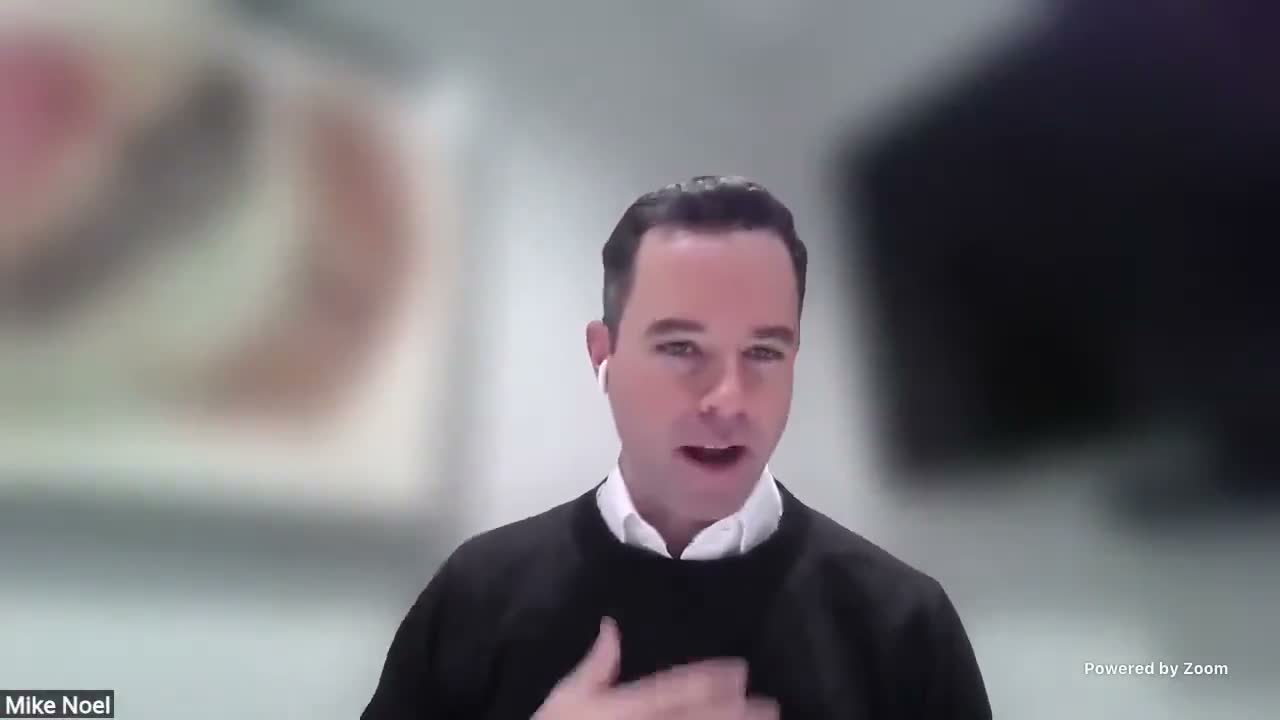
Representatives from TOMRA, several redemption centers and environmental advocates spoke to the Senate Natural Resources & Energy Committee about proposed revisions to Vermont’s container‑deposit law.
Mike Noel, public affairs director at TOMRA, said he was “essentially neutral” on the current draft but warned the committee the bill would be opposed if it “actively disincentivized reverse vending technology.” Noel urged that all redemption modalities be treated equally and recommended editing the convenience‑standard language so single‑feed reverse‑vending machines (RVMs) are not prohibited when they are provided alongside bulk RVMs or bag‑drop services. He argued that RVMs reduce labor and processing costs and help to verify containers, which reduces fraud.
Redemption‑center representatives described financial strain and urged stability. One operator, speaking about center finances, said, “we redeemed 4,400,000 can[s] last year... it represents $44,000 next year,” and said centers recently “lost almost $3,000” under current economics. Those witnesses urged a handling‑fee increase and expressed concern about being required to negotiate individually with large producers and a PRO; several suggested collective negotiation or clearer statutory floors to reduce bargaining asymmetry.
Environmental and consumer advocates (ECIRG) supported an increased handling fee and recommended not sunsetting the fee — arguing that personnel costs and other inflationary pressures justify a higher, sustained fee and that the funds should be used to equip redemption centers and support modernization.
Committee members asked technical and drafting questions about convenience‑standard designation, the three‑per‑county requirement, whether single‑feed RVMs owned by retailers would remain compliant, and how equipment grants or incentives might be structured. Stakeholders agreed to submit written technical comments on implementation details and suggested edits to the convenience‑standard language.
What happens next: Stakeholders will supply written technical recommendations and the committee will continue consideration; no formal votes were taken during the hearing.
Mike Noel, public affairs director at TOMRA, said he was “essentially neutral” on the current draft but warned the committee the bill would be opposed if it “actively disincentivized reverse vending technology.” Noel urged that all redemption modalities be treated equally and recommended editing the convenience‑standard language so single‑feed reverse‑vending machines (RVMs) are not prohibited when they are provided alongside bulk RVMs or bag‑drop services. He argued that RVMs reduce labor and processing costs and help to verify containers, which reduces fraud.
Redemption‑center representatives described financial strain and urged stability. One operator, speaking about center finances, said, “we redeemed 4,400,000 can[s] last year... it represents $44,000 next year,” and said centers recently “lost almost $3,000” under current economics. Those witnesses urged a handling‑fee increase and expressed concern about being required to negotiate individually with large producers and a PRO; several suggested collective negotiation or clearer statutory floors to reduce bargaining asymmetry.
Environmental and consumer advocates (ECIRG) supported an increased handling fee and recommended not sunsetting the fee — arguing that personnel costs and other inflationary pressures justify a higher, sustained fee and that the funds should be used to equip redemption centers and support modernization.
Committee members asked technical and drafting questions about convenience‑standard designation, the three‑per‑county requirement, whether single‑feed RVMs owned by retailers would remain compliant, and how equipment grants or incentives might be structured. Stakeholders agreed to submit written technical comments on implementation details and suggested edits to the convenience‑standard language.
What happens next: Stakeholders will supply written technical recommendations and the committee will continue consideration; no formal votes were taken during the hearing.
Don't Miss a Word: See the Full Meeting!
Go beyond summaries. Unlock every video, transcript, and key insight with a Founder Membership.
✓
Get instant access to full meeting videos
✓
Search and clip any phrase from complete transcripts
✓
Receive AI-powered summaries & custom alerts
✓
Enjoy lifetime, unrestricted access to government data
30-day money-back guarantee
