Board narrows but keeps privacy language restricting staff use of personal devices to photograph or video students
May 01, 2026 | Berkeley Heights School District, School Districts, New Jersey
This article was created by AI summarizing key points discussed. AI makes mistakes, so for full details and context, please refer to the video of the full meeting. Please report any errors so we can fix them. Report an error »
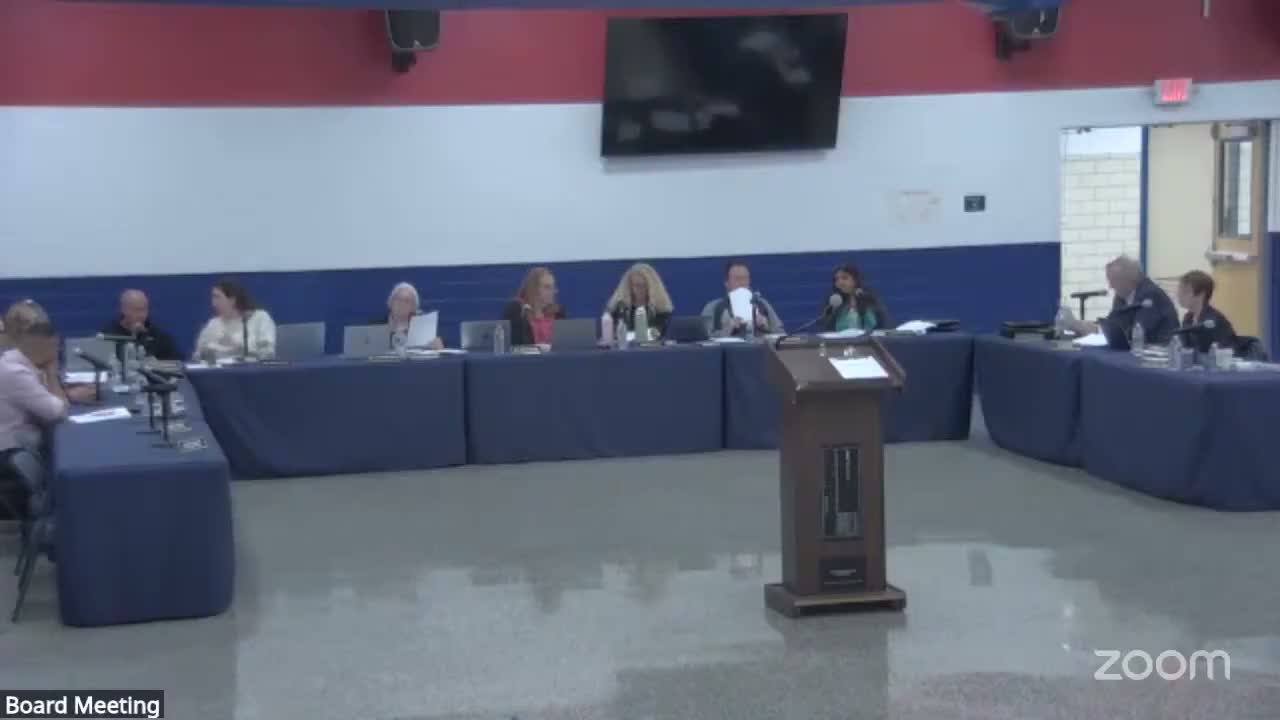
The Berkeley Heights Board of Education considered revisions to policy 33‑24 (rights of privacy) that would limit the use of personal devices by staff and others to record students without prior approval and add procedures for when recordings may be needed for instructional or disciplinary purposes.
What was proposed: The draft clarifies that the board prohibits audio or video recording of students on personal devices during the school day except in defined, supervised circumstances (with prior approval) and that records that become part of disciplinary proceedings must be handled as student records under federal and state law. The proposed language also distinguishes public events (where photography is expected) from classroom or private settings.
Why it mattered: Supporters said the policy protects student privacy and shields staff from potential liabilities associated with storing student images on personal devices; they cited FERPA and student‑record rules and raised concerns about inappropriate secondary uses of images. Opponents argued the policy went too far by restricting informal classroom documentation and suggested the administration could handle such decisions without a formal policy. A motion to strike most substantive paragraphs (which would have left only a brief prohibition) failed on roll call.
Board action: After debate and several proposed amendments, the board voted to retain the policy's substantive language as presented in the agenda materials (with earlier, non‑substantive edits accepted). The administration said the policy is not intended to prohibit legitimate, approved classroom documentation and that principals will supervise approvals and ensure parent permissions where appropriate.
Next steps: The administration will finalize implementation procedures, including supervisor approval processes and parent‑permission forms for ongoing classroom documentation.
Representative quote: "We should not have staff using personal devices that go home with them to record students without approval — that can make it a student record and create legal and privacy issues," a board member said during debate.
Votes: A motion to strike the substantive recording paragraphs did not pass; subsequent votes approved the other policy changes as indicated in the minutes.
What was proposed: The draft clarifies that the board prohibits audio or video recording of students on personal devices during the school day except in defined, supervised circumstances (with prior approval) and that records that become part of disciplinary proceedings must be handled as student records under federal and state law. The proposed language also distinguishes public events (where photography is expected) from classroom or private settings.
Why it mattered: Supporters said the policy protects student privacy and shields staff from potential liabilities associated with storing student images on personal devices; they cited FERPA and student‑record rules and raised concerns about inappropriate secondary uses of images. Opponents argued the policy went too far by restricting informal classroom documentation and suggested the administration could handle such decisions without a formal policy. A motion to strike most substantive paragraphs (which would have left only a brief prohibition) failed on roll call.
Board action: After debate and several proposed amendments, the board voted to retain the policy's substantive language as presented in the agenda materials (with earlier, non‑substantive edits accepted). The administration said the policy is not intended to prohibit legitimate, approved classroom documentation and that principals will supervise approvals and ensure parent permissions where appropriate.
Next steps: The administration will finalize implementation procedures, including supervisor approval processes and parent‑permission forms for ongoing classroom documentation.
Representative quote: "We should not have staff using personal devices that go home with them to record students without approval — that can make it a student record and create legal and privacy issues," a board member said during debate.
Votes: A motion to strike the substantive recording paragraphs did not pass; subsequent votes approved the other policy changes as indicated in the minutes.
View the Full Meeting & All Its Details
This article offers just a summary. Unlock complete video, transcripts, and insights as a Founder Member.
✓
Watch full, unedited meeting videos
✓
Search every word spoken in unlimited transcripts
✓
AI summaries & real-time alerts (all government levels)
✓
Permanent access to expanding government content
30-day money-back guarantee
