Maryland EMS agency defends $26.6 million budget, sets Oct. 2027 goal to collocate naloxone with AEDs
May 01, 2026 | Health and Social Services Subcommittee, Appropriations Committee, HOUSE OF REPRESENTATIVES, Committees, Legislative, Maryland
This article was created by AI summarizing key points discussed. AI makes mistakes, so for full details and context, please refer to the video of the full meeting. Please report any errors so we can fix them. Report an error »
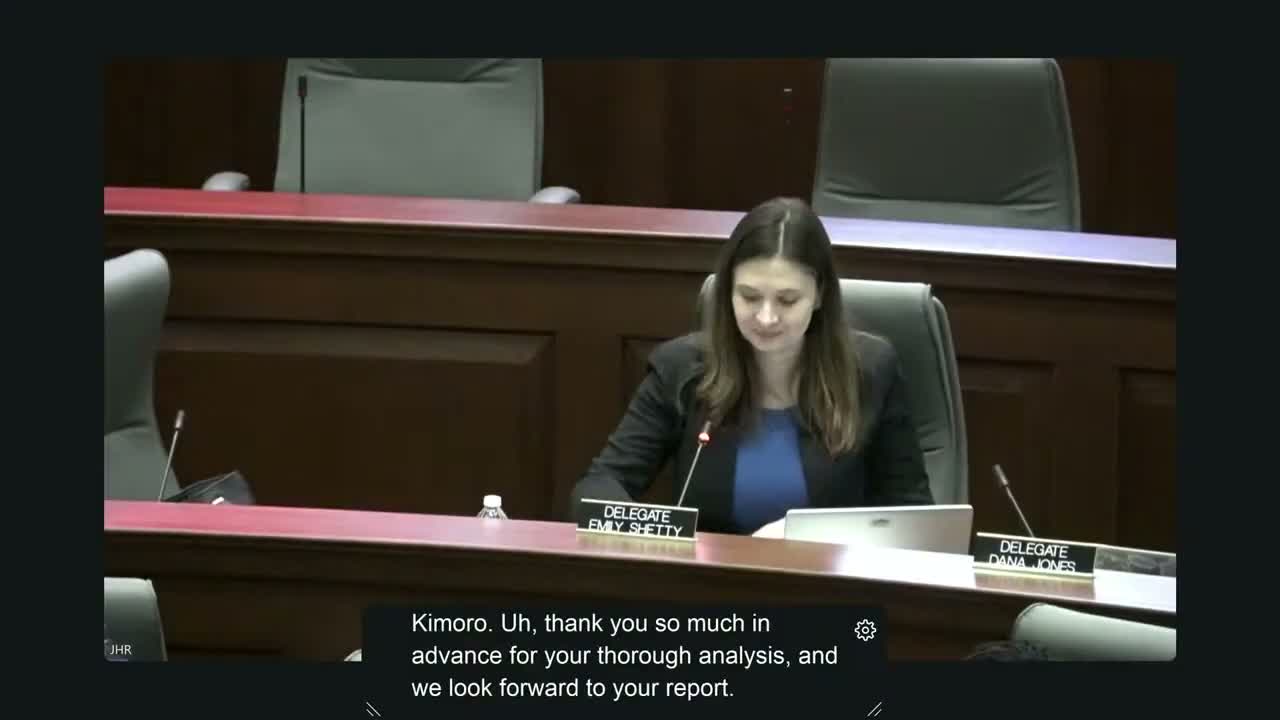
The Maryland Institute for Emergency Medical Services Systems (MEMS) presented its fiscal 2027 budget and system priorities to the House Health and Social Services Subcommittee.
Naomi Camorra, the Department of Legislative Services budget analyst for MEMS, said the fiscal 2027 allowance increases by about $1.1 million to a total of approximately $26.6 million. Camorra flagged IT and telecommunications spending, including the replacement of 10 aged microwave links that support statewide communications, and noted personnel remains the largest share of the budget.
Dr. Ted Delbridge, MEMS executive director, described core agency responsibilities: establishing statewide clinical protocols, licensing clinicians, maintaining the communications network and designating specialty centers. He detailed EDAS (Emergency Department Advisory System), a web-based tool supplying current patient census relative to capacity, ambulance traffic and alert statuses to help make destination decisions.
Delbridge outlined the AED public-access registry enhancements and a naloxone co-location effort tied to 2024 legislation. He said Maryland has more than 17,000 registered AEDs and that about 1,380 are already co-located with naloxone; MEMS is working with the Maryland Office of Overdose Response and the Department of Health and aims to meet an October 2027 deadline for the colocation project.
On operational targets, Delbridge said MEMS focuses on the EMS-to-emergency-department transfer-of-care interval and is working toward a target of 35 minutes or less 90% of the time at each hospital; roughly 48% of hospitals currently meet that standard reliably.
Committee members asked about a proposed $46,000 reallocation in supplies and materials, vacancy levels, and the trainings and conferences line (about $972,000). MEMS said the supplies reallocation reflects accounting changes within grant programs (for example, EMS for Children purchases car seats) and does not reflect a lack of life-saving items. MEMS reported 10 vacancies at year-end (two filled, two offers issued) and offered to provide a detailed breakdown of training expenditures in follow-up.
What happens next: MEMS will continue engagement with the committee and provide requested follow-up details on training budgets and grant exposures; no vote occurred at the hearing.
Naomi Camorra, the Department of Legislative Services budget analyst for MEMS, said the fiscal 2027 allowance increases by about $1.1 million to a total of approximately $26.6 million. Camorra flagged IT and telecommunications spending, including the replacement of 10 aged microwave links that support statewide communications, and noted personnel remains the largest share of the budget.
Dr. Ted Delbridge, MEMS executive director, described core agency responsibilities: establishing statewide clinical protocols, licensing clinicians, maintaining the communications network and designating specialty centers. He detailed EDAS (Emergency Department Advisory System), a web-based tool supplying current patient census relative to capacity, ambulance traffic and alert statuses to help make destination decisions.
Delbridge outlined the AED public-access registry enhancements and a naloxone co-location effort tied to 2024 legislation. He said Maryland has more than 17,000 registered AEDs and that about 1,380 are already co-located with naloxone; MEMS is working with the Maryland Office of Overdose Response and the Department of Health and aims to meet an October 2027 deadline for the colocation project.
On operational targets, Delbridge said MEMS focuses on the EMS-to-emergency-department transfer-of-care interval and is working toward a target of 35 minutes or less 90% of the time at each hospital; roughly 48% of hospitals currently meet that standard reliably.
Committee members asked about a proposed $46,000 reallocation in supplies and materials, vacancy levels, and the trainings and conferences line (about $972,000). MEMS said the supplies reallocation reflects accounting changes within grant programs (for example, EMS for Children purchases car seats) and does not reflect a lack of life-saving items. MEMS reported 10 vacancies at year-end (two filled, two offers issued) and offered to provide a detailed breakdown of training expenditures in follow-up.
What happens next: MEMS will continue engagement with the committee and provide requested follow-up details on training budgets and grant exposures; no vote occurred at the hearing.
Don't Miss a Word: See the Full Meeting!
Go beyond summaries. Unlock every video, transcript, and key insight with a Founder Membership.
✓
Get instant access to full meeting videos
✓
Search and clip any phrase from complete transcripts
✓
Receive AI-powered summaries & custom alerts
✓
Enjoy lifetime, unrestricted access to government data
30-day money-back guarantee
