U.N. updates on Ukraine convoys, Cuba energy crisis, Venezuela water emergency and logistics strains
May 01, 2026 | United Nations, International
This article was created by AI summarizing key points discussed. AI makes mistakes, so for full details and context, please refer to the video of the full meeting. Please report any errors so we can fix them. Report an error »
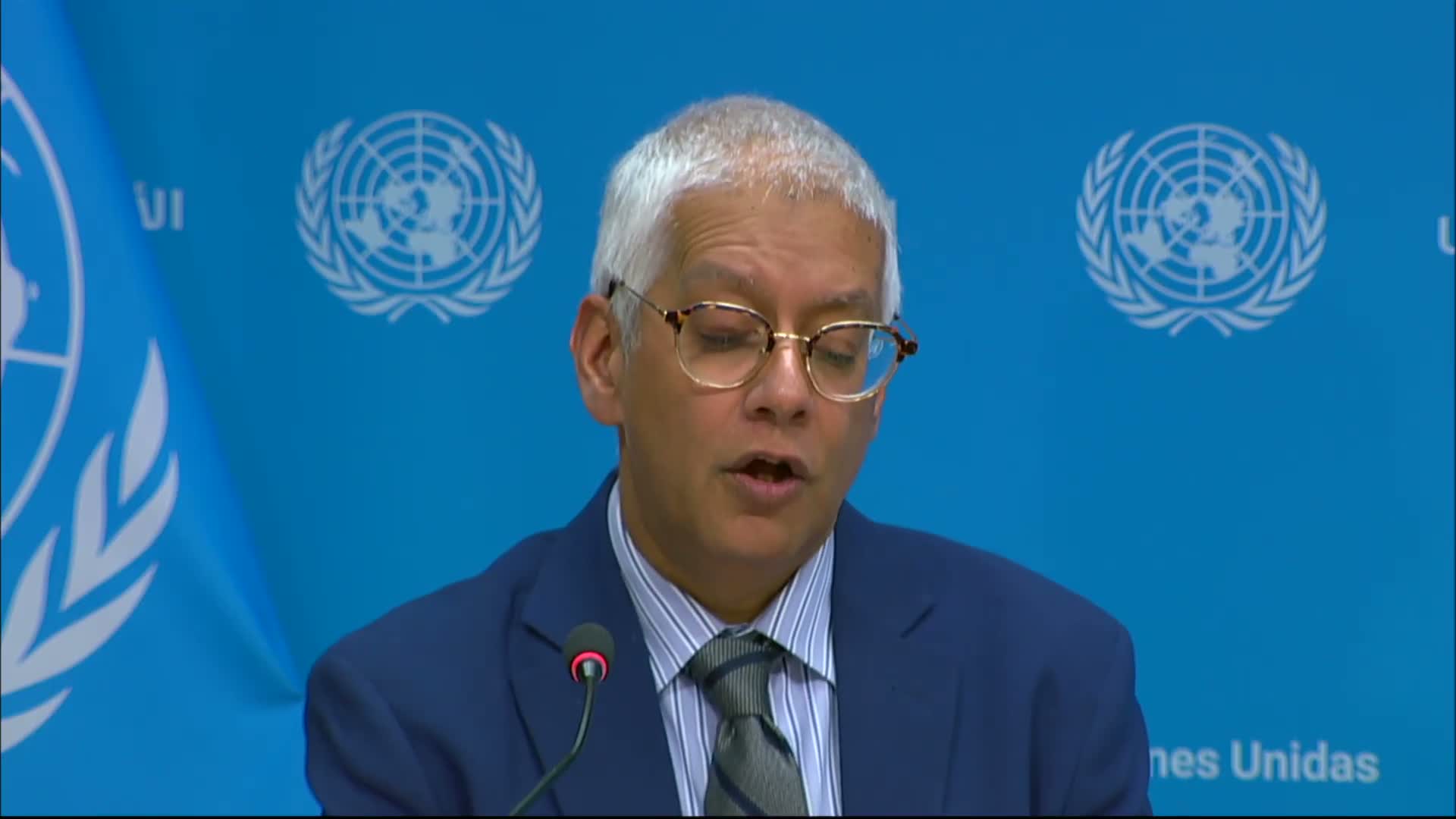
At the U.N. briefing, Farhan summarized multiple humanitarian responses underway worldwide. In Ukraine, the U.N. and partners ran six convoys to frontline areas in Dnipro, Donetsk, Kharkiv and Kherson, reaching about 4,000 people with food, hygiene kits, dignity items, generators and first aid.
Farhan described a deepening energy crisis in Cuba that has disrupted health care, waste collection, water deliveries and other essential services. He said more than 96,000 patients — including about 11,000 children — had surgeries postponed because of power shortages. The U.N. has a plan to deliver lifesaving aid to 2 million people in Cuba and appealed for $94 million; he said about one-quarter of that funding had been secured.
In Venezuela, the Emergency Relief Coordinator allocated $2 million from the U.N. Central Emergency Response Fund for response after an earthquake-triggered landslide collapsed a major water tunnel in Sucre, leaving nearly 640,000 people without reliable clean water; an additional $1 million from a U.N.-managed humanitarian fund was also allocated and partners have reached about 11,000 people across 32 communities with water purification tablets and sanitation kits.
Farhan also discussed UNHCR logistics challenges stemming from the Middle East crisis: transport and freight disruptions have forced rerouting and increased reliance on overland trucking, with freight rates rising nearly 18% and global transport capacity falling. He said UNHCR maintains continuity of lifesaving assistance through seven global stockpiles and country-level warehouses.
Farhan described a deepening energy crisis in Cuba that has disrupted health care, waste collection, water deliveries and other essential services. He said more than 96,000 patients — including about 11,000 children — had surgeries postponed because of power shortages. The U.N. has a plan to deliver lifesaving aid to 2 million people in Cuba and appealed for $94 million; he said about one-quarter of that funding had been secured.
In Venezuela, the Emergency Relief Coordinator allocated $2 million from the U.N. Central Emergency Response Fund for response after an earthquake-triggered landslide collapsed a major water tunnel in Sucre, leaving nearly 640,000 people without reliable clean water; an additional $1 million from a U.N.-managed humanitarian fund was also allocated and partners have reached about 11,000 people across 32 communities with water purification tablets and sanitation kits.
Farhan also discussed UNHCR logistics challenges stemming from the Middle East crisis: transport and freight disruptions have forced rerouting and increased reliance on overland trucking, with freight rates rising nearly 18% and global transport capacity falling. He said UNHCR maintains continuity of lifesaving assistance through seven global stockpiles and country-level warehouses.
View the Full Meeting & All Its Details
This article offers just a summary. Unlock complete video, transcripts, and insights as a Founder Member.
✓
Watch full, unedited meeting videos
✓
Search every word spoken in unlimited transcripts
✓
AI summaries & real-time alerts (all government levels)
✓
Permanent access to expanding government content
30-day money-back guarantee
