Union urges caution on siting forensic facility, warns chronic understaffing will undermine care and safety
May 01, 2026 | Corrections & Institutions, HOUSE OF REPRESENTATIVES, Committees, Legislative , Vermont
This article was created by AI summarizing key points discussed. AI makes mistakes, so for full details and context, please refer to the video of the full meeting. Please report any errors so we can fix them. Report an error »
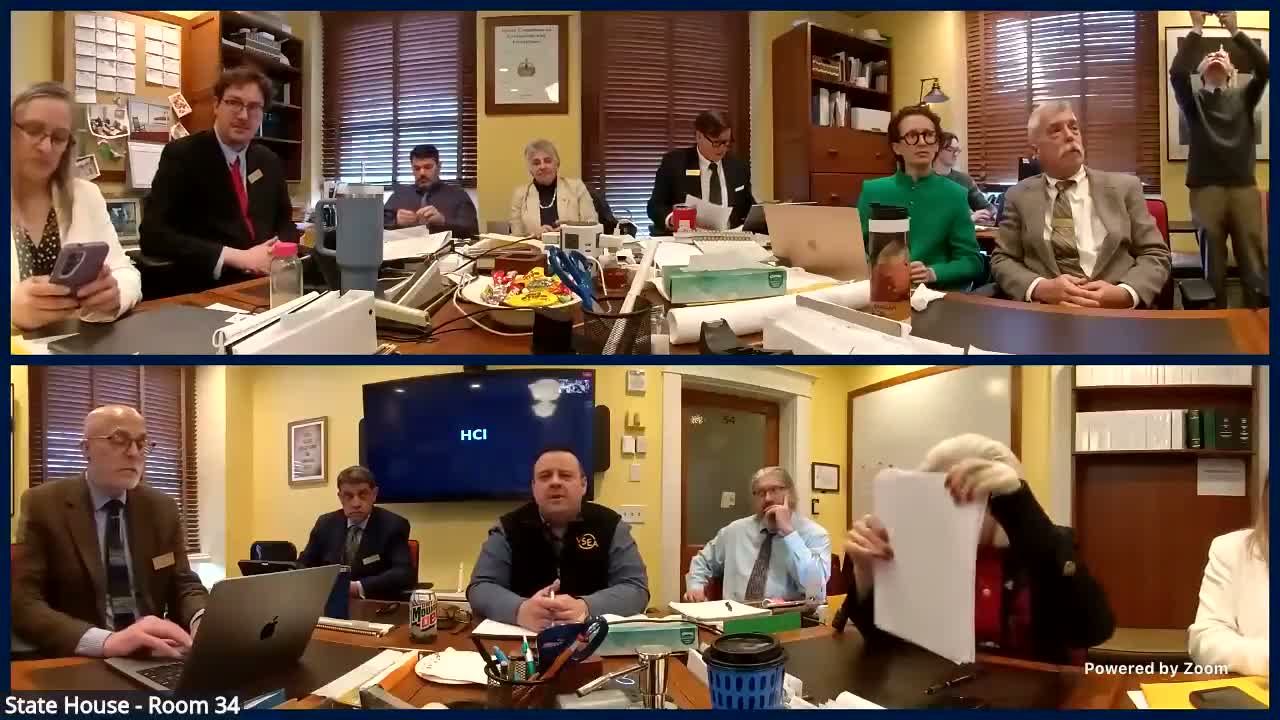
Steve Howard, executive director of the Vermont State Employees Association (VSEA), told the Corrections & Institutions Committee that the state needs a forensic facility but should not place it inside an existing correctional facility while staffing and safety problems persist.
"We support a forensic facility. We need a forensic facility in this state for 2 reasons," Howard said, later adding, "We think the Department of Corrections has too much on its plate now." He described repeated lockdowns, 12‑ to 16‑hour shifts, curtailed breaks and mandatory overtime that he said endanger both staff and incarcerated people and degrade rehabilitation programming.
Howard gave facility‑level examples intended to show how statewide counts can mask local shortages: he said Northern State had roughly 45 available security staff while it needs about 80 positions, and that administrators sometimes count staff who are on leave or otherwise unavailable when reporting "filled" positions.
He also pressed the committee on contractor oversight, pointing to WellPath — a private prison health contractor mentioned in his testimony — and saying the company has faced contract terminations and lawsuits in other states. "Wellpath, a major private prison health care provider, has faced numerous contract terminations and lawsuits due to allegations of neglect and inmate death," Howard said.
As a near‑term approach, Howard and other participants recommended steps that could relieve immediate pressure on facilities, such as refurbishing underused buildings or creating lower‑risk reentry placements to free space for higher‑need patients. Howard urged weekly oversight hearings and a long list of specific data requests (lockdown counts, education denials, overtime totals) to give the committee a clearer evidence base before finalizing siting or operational decisions.
The committee accepted Howard’s testimony and discussed scheduling follow‑up witnesses, data requests and a timeline linked to forthcoming bill text.
"We support a forensic facility. We need a forensic facility in this state for 2 reasons," Howard said, later adding, "We think the Department of Corrections has too much on its plate now." He described repeated lockdowns, 12‑ to 16‑hour shifts, curtailed breaks and mandatory overtime that he said endanger both staff and incarcerated people and degrade rehabilitation programming.
Howard gave facility‑level examples intended to show how statewide counts can mask local shortages: he said Northern State had roughly 45 available security staff while it needs about 80 positions, and that administrators sometimes count staff who are on leave or otherwise unavailable when reporting "filled" positions.
He also pressed the committee on contractor oversight, pointing to WellPath — a private prison health contractor mentioned in his testimony — and saying the company has faced contract terminations and lawsuits in other states. "Wellpath, a major private prison health care provider, has faced numerous contract terminations and lawsuits due to allegations of neglect and inmate death," Howard said.
As a near‑term approach, Howard and other participants recommended steps that could relieve immediate pressure on facilities, such as refurbishing underused buildings or creating lower‑risk reentry placements to free space for higher‑need patients. Howard urged weekly oversight hearings and a long list of specific data requests (lockdown counts, education denials, overtime totals) to give the committee a clearer evidence base before finalizing siting or operational decisions.
The committee accepted Howard’s testimony and discussed scheduling follow‑up witnesses, data requests and a timeline linked to forthcoming bill text.
View the Full Meeting & All Its Details
This article offers just a summary. Unlock complete video, transcripts, and insights as a Founder Member.
✓
Watch full, unedited meeting videos
✓
Search every word spoken in unlimited transcripts
✓
AI summaries & real-time alerts (all government levels)
✓
Permanent access to expanding government content
30-day money-back guarantee
