Portage County officials warn property‑tax abolition could force steep sales‑tax hikes, deep service cuts
April 30, 2026 | Portage County, Ohio
This article was created by AI summarizing key points discussed. AI makes mistakes, so for full details and context, please refer to the video of the full meeting. Please report any errors so we can fix them. Report an error »
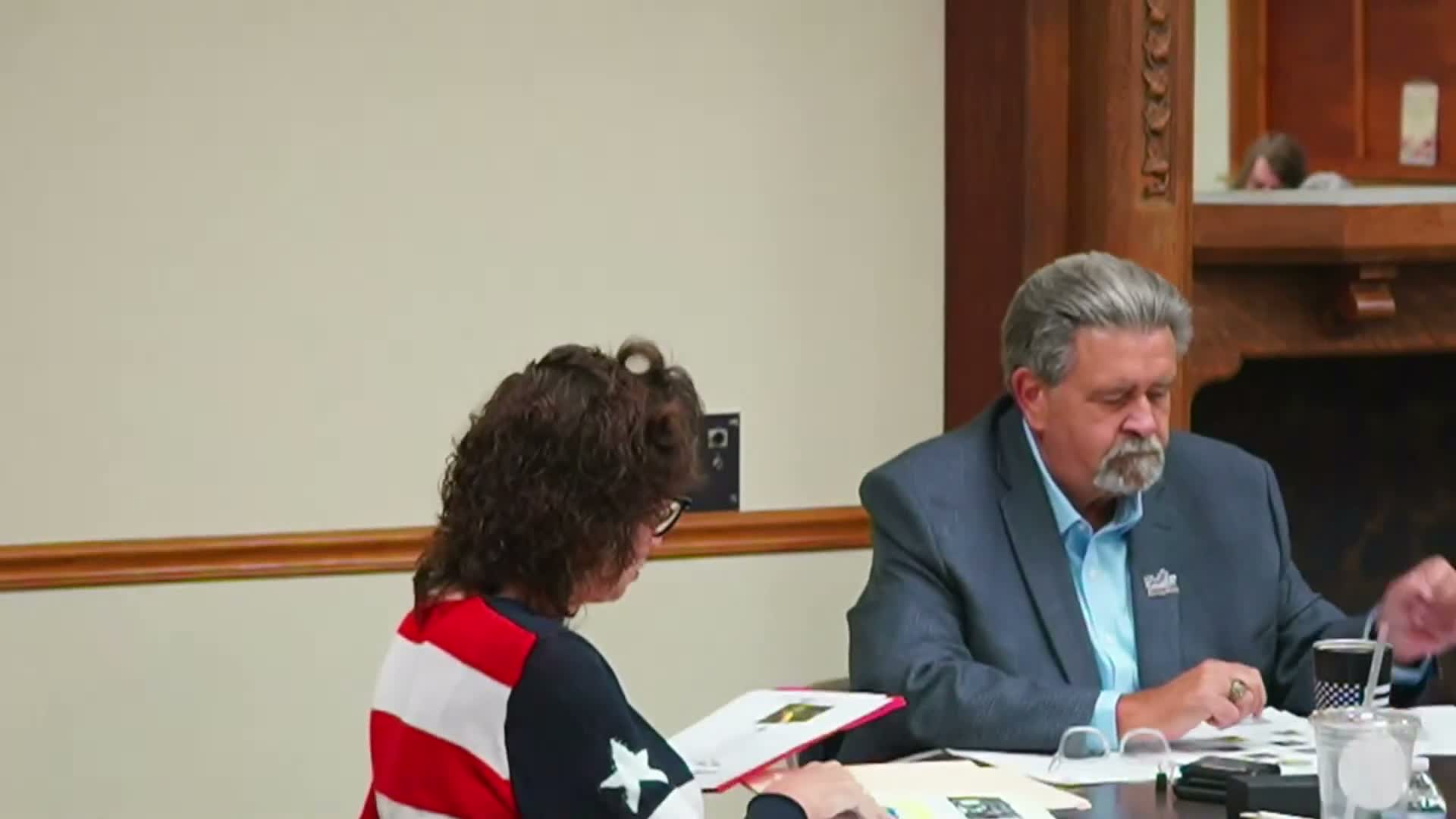
Commissioner Sabrina Christian Bennett warned residents that a citizen‑led initiative to abolish property taxes could strip essential local funding and prompt steep sales‑tax increases and service cuts.
County commissioners used the session to walk through analysis of the proposal, noting the initiative group "Axe Ohio" reported collecting signatures and could put a repeal on an upcoming ballot. Bennett told attendees the county would lose a substantial share of revenue currently dedicated to public safety, senior services, developmental‑disability supports, roads, public health and libraries.
Bennett said property‑tax revenue is difficult to replace at the local level. "It would mean layoffs of more than 32,000 police officers, firefighters, paramedics, dispatchers, and other first responders," she said, adding that many counties are already at statutory maximum sales‑tax rates and that bridging the gap could require raising the sales tax toward the high teens. Bennett also described tradeoffs for vulnerable residents: while a homestead or exemption might help some homeowners, many people who rely on county services do not own homes and would still be harmed by higher sales taxes.
Commissioner Jill Crawford described the limits of the commissioners' authority and said the issue is ultimately for the state legislature and statewide ballots to decide. "We can educate the public and discuss funding essential services," Crawford said, but she also noted the board's lack of unilateral power to restore revenue taken away by state or ballot action.
During the audience Q&A, a resident summarized an initiative talking point — that the state would assume funding for local services — and asked whether counties would be backfilled. Commissioners said they had not heard any commitment from Columbus to assume local spending and urged voters to consult the auditor's office for district‑specific impacts. Timlin and Bennet urged residents to consider the cumulative effect: losing inside millage revenue could remove roughly 20% of county funding in Portage County's budget unless other revenues or levies were approved.
The discussion included concrete local figures used by the commissioners: Portage County's total sales tax rate was described as 7%, with the county receiving about 1% of that (generating an estimated $29–30 million a year); Bennett said the county had used $600,000 from a health‑benefit account and still faced a roughly $2.7 million shortfall that prompted a 5% non‑personnel reduction across general‑fund departments.
Commissioners stressed they were providing information, not telling residents how to vote. "I'm here just to inform what the true impact would be on the County," Bennett said. The meeting moved from the presentation into extended public Q&A and local officials' remarks, with the panel urging citizens to weigh both revenue and expenditure implications before acting.
The county said it will continue community outreach on the issue and work with chambers and local officials to provide localized impact numbers ahead of any ballot measures or legislative action.
County commissioners used the session to walk through analysis of the proposal, noting the initiative group "Axe Ohio" reported collecting signatures and could put a repeal on an upcoming ballot. Bennett told attendees the county would lose a substantial share of revenue currently dedicated to public safety, senior services, developmental‑disability supports, roads, public health and libraries.
Bennett said property‑tax revenue is difficult to replace at the local level. "It would mean layoffs of more than 32,000 police officers, firefighters, paramedics, dispatchers, and other first responders," she said, adding that many counties are already at statutory maximum sales‑tax rates and that bridging the gap could require raising the sales tax toward the high teens. Bennett also described tradeoffs for vulnerable residents: while a homestead or exemption might help some homeowners, many people who rely on county services do not own homes and would still be harmed by higher sales taxes.
Commissioner Jill Crawford described the limits of the commissioners' authority and said the issue is ultimately for the state legislature and statewide ballots to decide. "We can educate the public and discuss funding essential services," Crawford said, but she also noted the board's lack of unilateral power to restore revenue taken away by state or ballot action.
During the audience Q&A, a resident summarized an initiative talking point — that the state would assume funding for local services — and asked whether counties would be backfilled. Commissioners said they had not heard any commitment from Columbus to assume local spending and urged voters to consult the auditor's office for district‑specific impacts. Timlin and Bennet urged residents to consider the cumulative effect: losing inside millage revenue could remove roughly 20% of county funding in Portage County's budget unless other revenues or levies were approved.
The discussion included concrete local figures used by the commissioners: Portage County's total sales tax rate was described as 7%, with the county receiving about 1% of that (generating an estimated $29–30 million a year); Bennett said the county had used $600,000 from a health‑benefit account and still faced a roughly $2.7 million shortfall that prompted a 5% non‑personnel reduction across general‑fund departments.
Commissioners stressed they were providing information, not telling residents how to vote. "I'm here just to inform what the true impact would be on the County," Bennett said. The meeting moved from the presentation into extended public Q&A and local officials' remarks, with the panel urging citizens to weigh both revenue and expenditure implications before acting.
The county said it will continue community outreach on the issue and work with chambers and local officials to provide localized impact numbers ahead of any ballot measures or legislative action.
Don't Miss a Word: See the Full Meeting!
Go beyond summaries. Unlock every video, transcript, and key insight with a Founder Membership.
✓
Get instant access to full meeting videos
✓
Search and clip any phrase from complete transcripts
✓
Receive AI-powered summaries & custom alerts
✓
Enjoy lifetime, unrestricted access to government data
30-day money-back guarantee
