FBI official warns of AI-enabled 'virtual recruitment' that targets cleared workers and trade secrets
April 30, 2026 | Federal Bureau of Investigation (FBI), Department of Justice (DOJ), Executive, Federal
This article was created by AI summarizing key points discussed. AI makes mistakes, so for full details and context, please refer to the video of the full meeting. Please report any errors so we can fix them. Report an error »
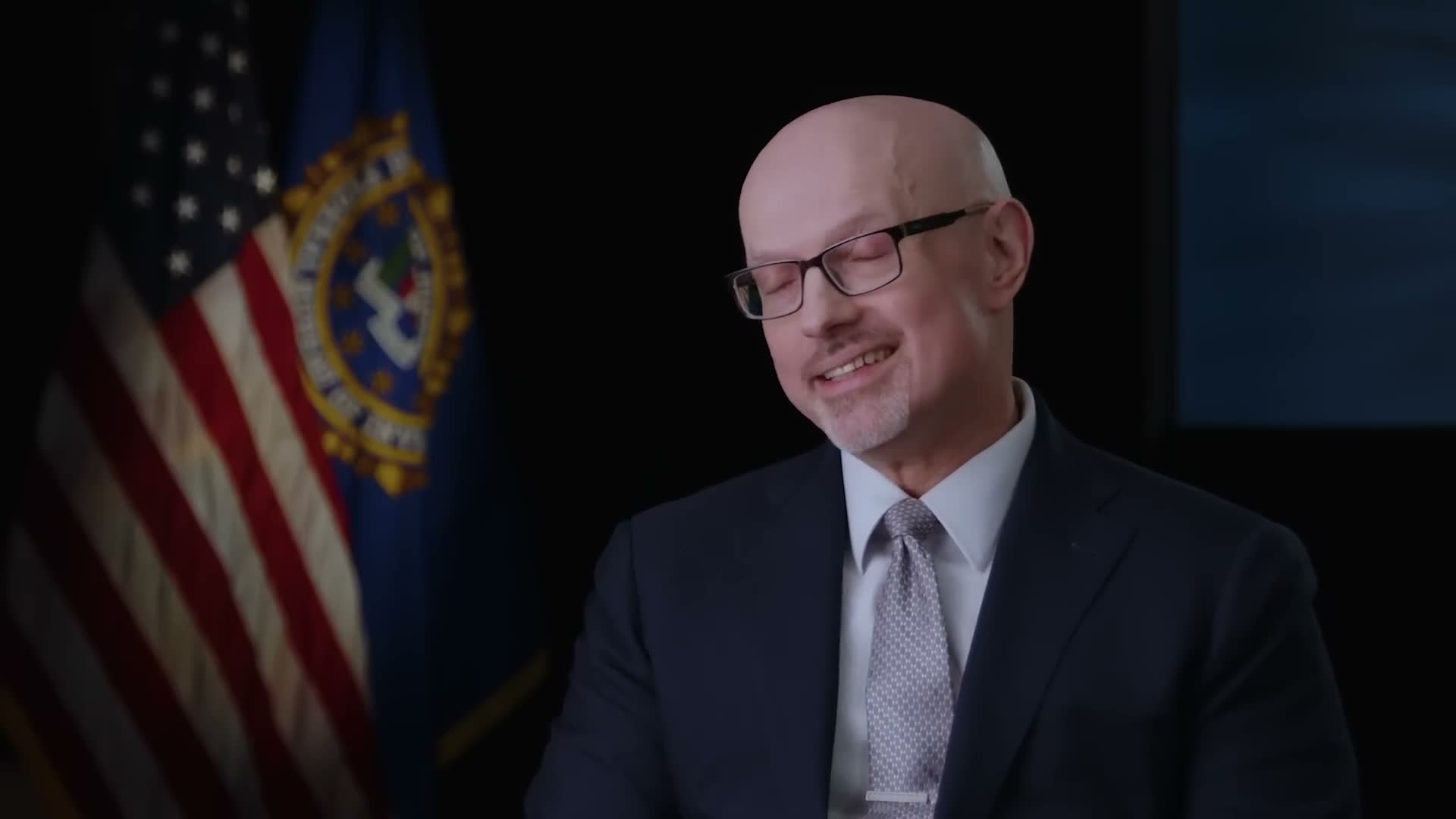
Roman Rojovsky, assistant director of the Counterintelligence and Espionage Division at the Federal Bureau of Investigation, warned that foreign intelligence officers increasingly use online consulting fronts and AI to recruit people with access to sensitive information.
“Now everything has become virtual, and with AI, it’s become even easier,” Rojovsky said, describing how adversaries set up consulting companies on social platforms or job sites and offer paid work to build trust.
He said a common tactic is to ask a target to write a white paper on a geopolitical topic and pay “a few hundred dollars or a few thousand dollars,” then try to transition the person into producing classified information or trade secrets. “We call this virtual recruitment,” Rojovsky said. He added that AI can make malicious companies look professional and can be used by intelligence officers to automate conversations, removing earlier linguistic cues that helped identify suspicious contacts.
Rojovsky urged workers in sensitive government or private-sector roles to treat unsolicited offers for consulting or white papers as possible recruitment attempts. “If someone is reaching out to you, asking you to write a white paper, asking you to consult on something, that is usually a foreign intelligence officer or one of their agents,” he said, and recommended that companies or individuals with concerns contact their local FBI field office.
The assistant director also described economic espionage—distinct from theft of classified information—as foreign actors stealing trade secrets from private companies to duplicate processes, undercut competitors, or otherwise harm U.S. firms. He said such theft has cost U.S. industries billions of dollars and led to the loss of jobs.
To help U.S. businesses, Rojovsky said the FBI produces open-source products and is willing to meet local companies to build relationships, accept leads and provide assistance. He framed outreach and early reporting by companies as critical to preventing theft and disruption.
“Now everything has become virtual, and with AI, it’s become even easier,” Rojovsky said, describing how adversaries set up consulting companies on social platforms or job sites and offer paid work to build trust.
He said a common tactic is to ask a target to write a white paper on a geopolitical topic and pay “a few hundred dollars or a few thousand dollars,” then try to transition the person into producing classified information or trade secrets. “We call this virtual recruitment,” Rojovsky said. He added that AI can make malicious companies look professional and can be used by intelligence officers to automate conversations, removing earlier linguistic cues that helped identify suspicious contacts.
Rojovsky urged workers in sensitive government or private-sector roles to treat unsolicited offers for consulting or white papers as possible recruitment attempts. “If someone is reaching out to you, asking you to write a white paper, asking you to consult on something, that is usually a foreign intelligence officer or one of their agents,” he said, and recommended that companies or individuals with concerns contact their local FBI field office.
The assistant director also described economic espionage—distinct from theft of classified information—as foreign actors stealing trade secrets from private companies to duplicate processes, undercut competitors, or otherwise harm U.S. firms. He said such theft has cost U.S. industries billions of dollars and led to the loss of jobs.
To help U.S. businesses, Rojovsky said the FBI produces open-source products and is willing to meet local companies to build relationships, accept leads and provide assistance. He framed outreach and early reporting by companies as critical to preventing theft and disruption.
View the Full Meeting & All Its Details
This article offers just a summary. Unlock complete video, transcripts, and insights as a Founder Member.
✓
Watch full, unedited meeting videos
✓
Search every word spoken in unlimited transcripts
✓
AI summaries & real-time alerts (all government levels)
✓
Permanent access to expanding government content
30-day money-back guarantee
