Clayton board approves ELD, world languages and literacy reviews after staff presentations and data review
April 30, 2026 | CLAYTON , School Districts, Missouri
This article was created by AI summarizing key points discussed. AI makes mistakes, so for full details and context, please refer to the video of the full meeting. Please report any errors so we can fix them. Report an error »
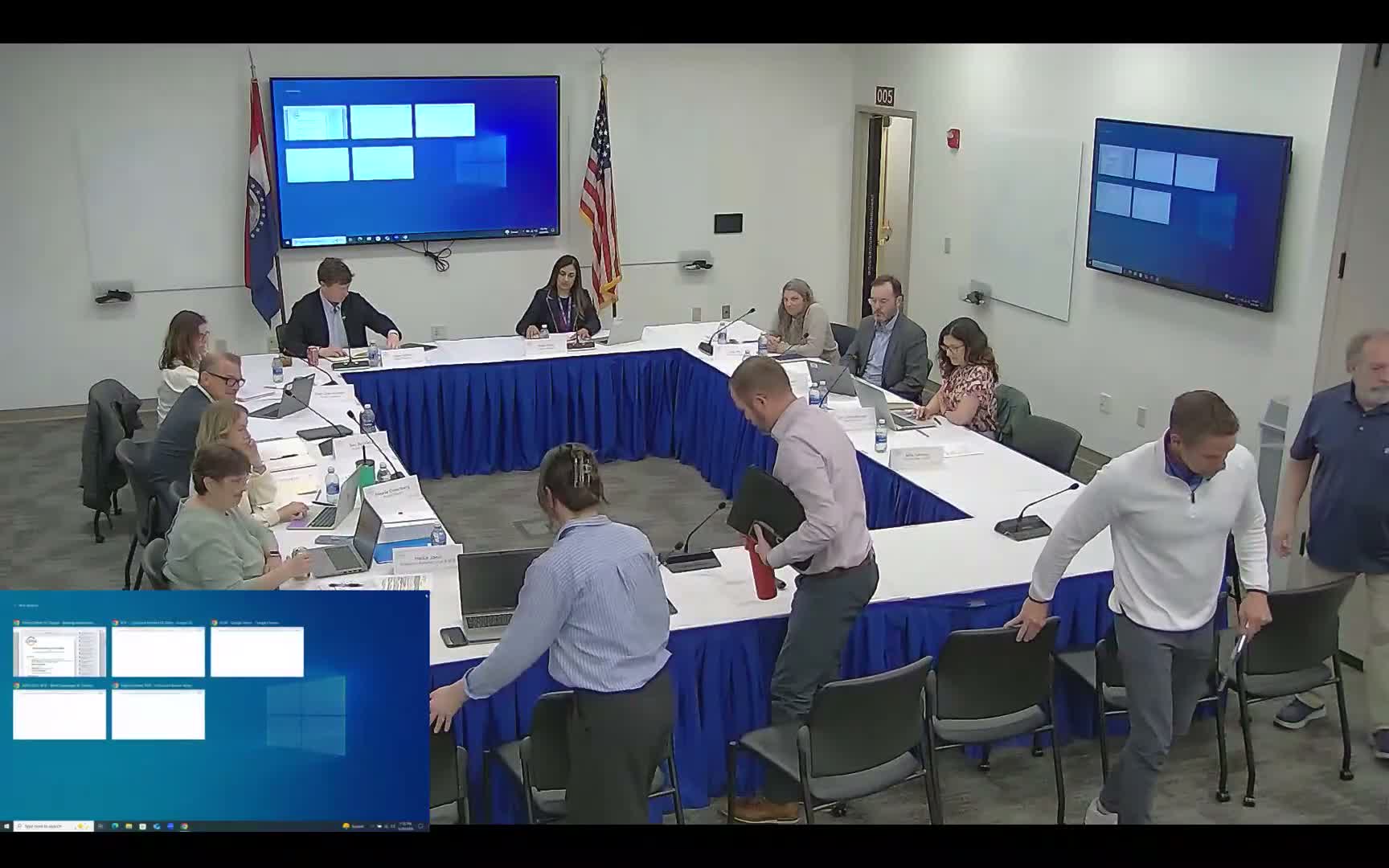
The Clayton Board of Education voted to approve three curriculum reviews after presentations and extended discussion: English language development (ELD), world languages and the district’s K–12 literacy plan.
ELD: Sarah Gottemoeller, the district’s English language development coordinator, reviewed program structure and assessments and said the district currently serves roughly 102 students receiving ELD services this year and has screened more than 95 students; she noted the program supports 27 languages and described the district’s use of a screener and the annual ACCESS progress monitoring tool. "We have 102 students who have received services this year or receiving services currently," Gottemoeller said during the presentation. Board members asked about family surveys and how long families remain in the district; Gottemoeller said families’ tenure varies—some stay for years while others stay for 1–3 years for graduate programs—and that parent surveys will be an action step.
World languages: Michael Crowell, world language curriculum coordinator, described a K–12 pathway to proficiency, proposed transition points (fifth, eighth and high school), portfolio ideas and pilot exchange opportunities. He noted a milestone: the district awarded about 50 seals of biliteracy this year. Board members raised equity concerns after staff presented participation numbers for AP courses and the Seal of Biliteracy that showed underrepresentation of Black students. The presenters discussed strategies including counselor partnerships, content acceleration options and skip‑level exams to expand access.
Literacy (K–12): Julie Power, literacy coordinator, presented the district’s comprehensive literacy work in response to state guidance, including an emphasis on the science of reading, K–5 LETRS training, a K–12 diagnostic and intervention framework tracked with EduCLIMBER, and plans for audits of curriculum and assessments. Power and colleagues described three central goals—in assessment, instructional systems and student growth—and outlined next steps such as curriculum audits, assessment alignment and exploration of digital portfolios. Board discussion ranged widely—balancing diagnostics and love of reading, handwriting and the role of technology, and how to use RSPs (reading success plans) and multi‑tiered supports to accelerate students who are behind.
Each of the three curriculum packages was moved, seconded and approved by the board by voice vote during the meeting. Board members who pressed for changes asked staff to tighten family communications, clarify pathways and continue work to address equity in AP and biliteracy participation.
ELD: Sarah Gottemoeller, the district’s English language development coordinator, reviewed program structure and assessments and said the district currently serves roughly 102 students receiving ELD services this year and has screened more than 95 students; she noted the program supports 27 languages and described the district’s use of a screener and the annual ACCESS progress monitoring tool. "We have 102 students who have received services this year or receiving services currently," Gottemoeller said during the presentation. Board members asked about family surveys and how long families remain in the district; Gottemoeller said families’ tenure varies—some stay for years while others stay for 1–3 years for graduate programs—and that parent surveys will be an action step.
World languages: Michael Crowell, world language curriculum coordinator, described a K–12 pathway to proficiency, proposed transition points (fifth, eighth and high school), portfolio ideas and pilot exchange opportunities. He noted a milestone: the district awarded about 50 seals of biliteracy this year. Board members raised equity concerns after staff presented participation numbers for AP courses and the Seal of Biliteracy that showed underrepresentation of Black students. The presenters discussed strategies including counselor partnerships, content acceleration options and skip‑level exams to expand access.
Literacy (K–12): Julie Power, literacy coordinator, presented the district’s comprehensive literacy work in response to state guidance, including an emphasis on the science of reading, K–5 LETRS training, a K–12 diagnostic and intervention framework tracked with EduCLIMBER, and plans for audits of curriculum and assessments. Power and colleagues described three central goals—in assessment, instructional systems and student growth—and outlined next steps such as curriculum audits, assessment alignment and exploration of digital portfolios. Board discussion ranged widely—balancing diagnostics and love of reading, handwriting and the role of technology, and how to use RSPs (reading success plans) and multi‑tiered supports to accelerate students who are behind.
Each of the three curriculum packages was moved, seconded and approved by the board by voice vote during the meeting. Board members who pressed for changes asked staff to tighten family communications, clarify pathways and continue work to address equity in AP and biliteracy participation.
View the Full Meeting & All Its Details
This article offers just a summary. Unlock complete video, transcripts, and insights as a Founder Member.
✓
Watch full, unedited meeting videos
✓
Search every word spoken in unlimited transcripts
✓
AI summaries & real-time alerts (all government levels)
✓
Permanent access to expanding government content
30-day money-back guarantee
