Magistrate judge says House Bill 999 will swell caseloads and urges funding for judges, clerks and court reporters
April 29, 2026 | Clayton County, Georgia
This article was created by AI summarizing key points discussed. AI makes mistakes, so for full details and context, please refer to the video of the full meeting. Please report any errors so we can fix them. Report an error »
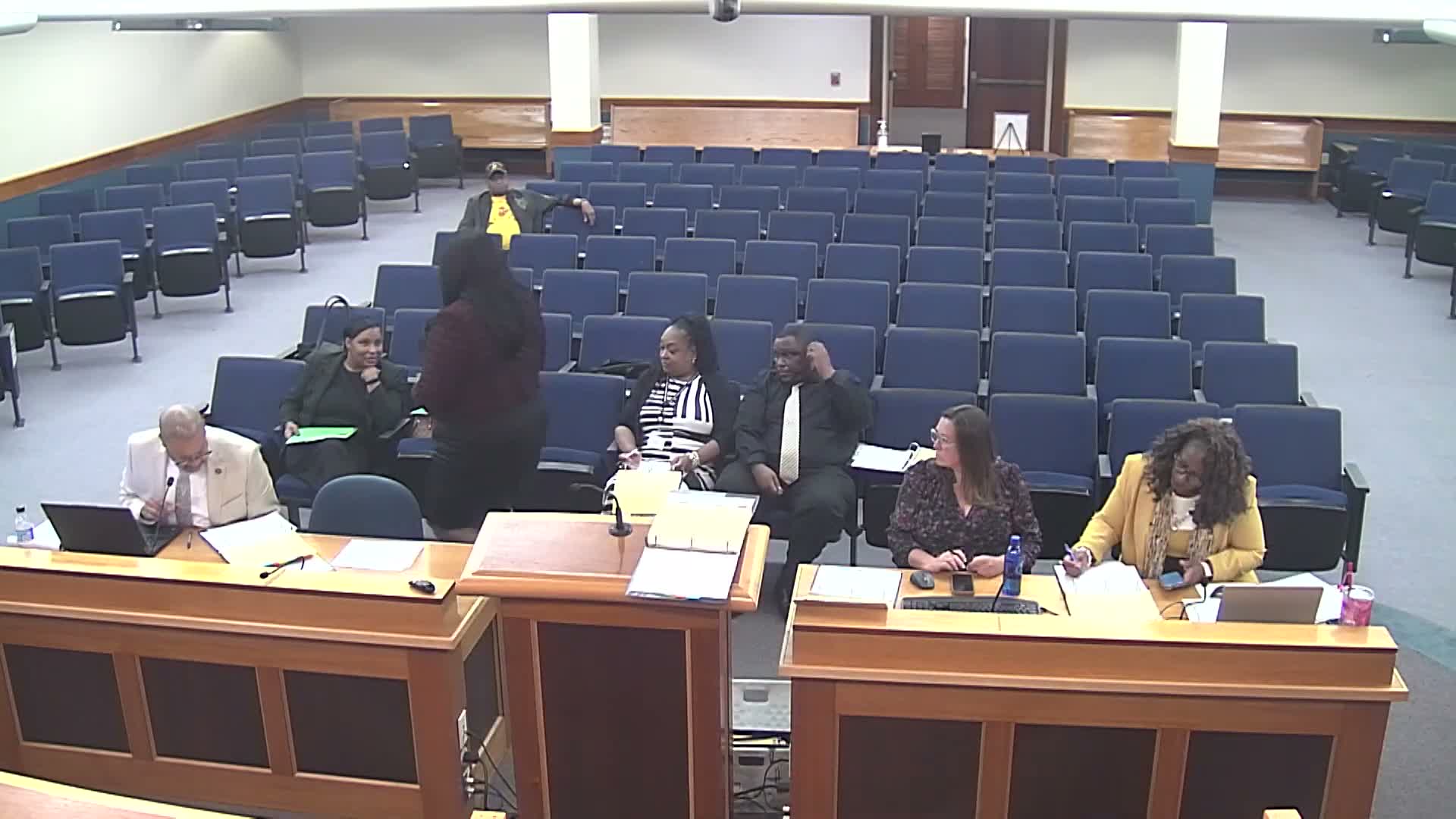
Chief Magistrate Judge Keisha Wright Hill told the Clayton County Board of Commissioners that the Master Court handles more than 61,000 cases a year and is understaffed to meet current demand and an expected post‑legislative surge.
"Approving our budget priority of 2 additional full time judges would assist our court tremendously," Hill said, and she requested two judges at a combined annual cost of about $339,222 (including benefits) and five additional deputy court clerks at roughly $280,000. She said those hires would reduce reliance on contractors and avoid mid‑year supplemental requests.
Hill also asked the board to fully fund court reporter fees. She said the board raised the daily court reporter rate from $200 to $400 in August 2024 and calculated annual reporter costs at about $93,600; the finance recommendation of $70,000 would leave the court short of the amount it said is required to comply with the mandate to record criminal proceedings.
The judge warned that House Bill 999 — which Hill said "was passed by the House on 02/03/2026 and passed in the Senate on 03/18/2026" and "was sent to Governor Kemp's office on 04/10/2026 and is on his desk awaiting signature" — will raise the magistrate jurisdictional limit from $15,000 to $25,000 effective Jan. 1, 2027, and is likely to drive a significant increase in civil filings, especially automobile accident cases. "This new law is going to significantly increase our caseloads," Hill said, and the court expects longer waits for trials and more backlogs without additional judges and staff.
Hill described operational pressures now: the next available civil trial calendar was June 23 and eviction hearings were booked into late June, and she said daily warrant duty leaves judges without breaks because a single judge takes calls from many law enforcement agencies across the county and airport jurisdictions.
If the requested positions are not approved, Hill said the court will either need contractors or will return to the commission mid‑year for additional funding. She recommended funding the judges, clerks and court reporters now to avoid service interruptions and to meet statutory duties.
The commission asked for clarifications on specific line items and the magistrate judge identified the eviction mediation fee structure and the accounts that pay for mediators.
"Approving our budget priority of 2 additional full time judges would assist our court tremendously," Hill said, and she requested two judges at a combined annual cost of about $339,222 (including benefits) and five additional deputy court clerks at roughly $280,000. She said those hires would reduce reliance on contractors and avoid mid‑year supplemental requests.
Hill also asked the board to fully fund court reporter fees. She said the board raised the daily court reporter rate from $200 to $400 in August 2024 and calculated annual reporter costs at about $93,600; the finance recommendation of $70,000 would leave the court short of the amount it said is required to comply with the mandate to record criminal proceedings.
The judge warned that House Bill 999 — which Hill said "was passed by the House on 02/03/2026 and passed in the Senate on 03/18/2026" and "was sent to Governor Kemp's office on 04/10/2026 and is on his desk awaiting signature" — will raise the magistrate jurisdictional limit from $15,000 to $25,000 effective Jan. 1, 2027, and is likely to drive a significant increase in civil filings, especially automobile accident cases. "This new law is going to significantly increase our caseloads," Hill said, and the court expects longer waits for trials and more backlogs without additional judges and staff.
Hill described operational pressures now: the next available civil trial calendar was June 23 and eviction hearings were booked into late June, and she said daily warrant duty leaves judges without breaks because a single judge takes calls from many law enforcement agencies across the county and airport jurisdictions.
If the requested positions are not approved, Hill said the court will either need contractors or will return to the commission mid‑year for additional funding. She recommended funding the judges, clerks and court reporters now to avoid service interruptions and to meet statutory duties.
The commission asked for clarifications on specific line items and the magistrate judge identified the eviction mediation fee structure and the accounts that pay for mediators.
Don't Miss a Word: See the Full Meeting!
Go beyond summaries. Unlock every video, transcript, and key insight with a Founder Membership.
✓
Get instant access to full meeting videos
✓
Search and clip any phrase from complete transcripts
✓
Receive AI-powered summaries & custom alerts
✓
Enjoy lifetime, unrestricted access to government data
30-day money-back guarantee
