Nurse consultant says Warren County saved about $160,000 through repricing and urges continuity of MAT
April 29, 2026 | Warren County, Pennsylvania
This article was created by AI summarizing key points discussed. AI makes mistakes, so for full details and context, please refer to the video of the full meeting. Please report any errors so we can fix them. Report an error »
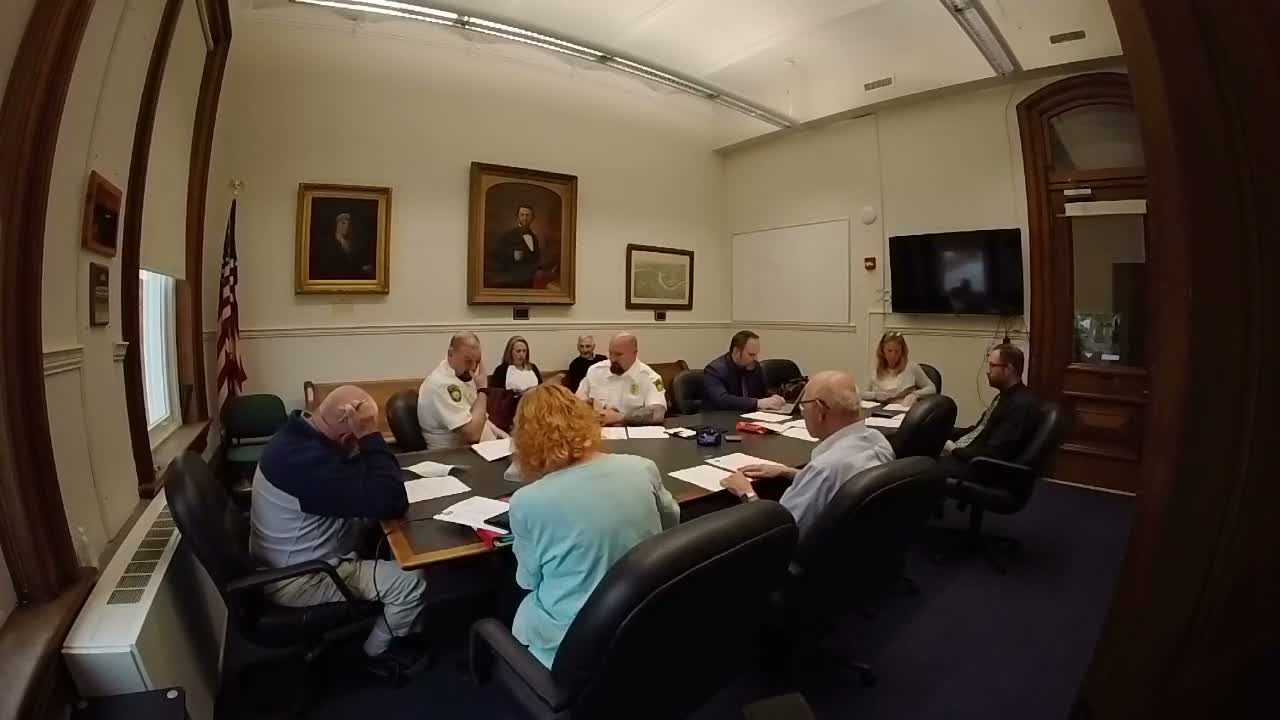
Julia, a nurse consultant and licensed nurse practitioner, told the Warren County correctional oversight board that repricing of medical bills between October 2025 and March 2026 produced roughly $160,000 in savings.
"The county saved a $126,548.06 in outpatient savings," Julia said, and she added that inpatient repricing had saved an additional $33,657.49. Julia also cited hospital and ER repricing savings of $87,497.52 and described pharmacy credits and other smaller line items that together make the program financially beneficial for the county.
The report covered membership and utilization trends, including a three-year “Pimmick” average the presenter used for benchmarking and a daily average figure for Warren of $9.81 for 2025 (compared with $9.77 for 2024). Julia said those comparisons help the county monitor performance relative to similar counties.
Julia explained that some bills appear on a denial table for a variety of reasons (noncovered codes or missing paperwork) and recommended following up with providers to correct documentation so bills can be repriced. She also advised facilities to return unused medications to Diamond Pharmacy regularly to increase pharmacy credits and reduce costs.
On clinical continuity, Julia summarized recent guidance from the U.S. Department of Justice/ADA (as presented to the board) that substance-use disorder treatment must be continued for people entering custody. "If an inmate comes in on a medication-assisted treatment or medication-assisted therapy, MAT is either treatment or therapy," she said, adding that intake care should continue "like you continue blood-pressure medication, like you continue diabetic medication." She noted practical limits — for example, counties without a nearby methadone clinic may need clinically appropriate transitions — and discussed injectable MAT options and trade-offs, citing product names and cost ranges discussed during the presentation (examples discussed in the meeting included SUBLOCADE and another injectable, with monthly costs cited in the transcript).
Board members asked no follow-up questions at the close of the report; Julia said a six-month follow-up would be scheduled.
The board’s next meeting was announced as May 26.
"The county saved a $126,548.06 in outpatient savings," Julia said, and she added that inpatient repricing had saved an additional $33,657.49. Julia also cited hospital and ER repricing savings of $87,497.52 and described pharmacy credits and other smaller line items that together make the program financially beneficial for the county.
The report covered membership and utilization trends, including a three-year “Pimmick” average the presenter used for benchmarking and a daily average figure for Warren of $9.81 for 2025 (compared with $9.77 for 2024). Julia said those comparisons help the county monitor performance relative to similar counties.
Julia explained that some bills appear on a denial table for a variety of reasons (noncovered codes or missing paperwork) and recommended following up with providers to correct documentation so bills can be repriced. She also advised facilities to return unused medications to Diamond Pharmacy regularly to increase pharmacy credits and reduce costs.
On clinical continuity, Julia summarized recent guidance from the U.S. Department of Justice/ADA (as presented to the board) that substance-use disorder treatment must be continued for people entering custody. "If an inmate comes in on a medication-assisted treatment or medication-assisted therapy, MAT is either treatment or therapy," she said, adding that intake care should continue "like you continue blood-pressure medication, like you continue diabetic medication." She noted practical limits — for example, counties without a nearby methadone clinic may need clinically appropriate transitions — and discussed injectable MAT options and trade-offs, citing product names and cost ranges discussed during the presentation (examples discussed in the meeting included SUBLOCADE and another injectable, with monthly costs cited in the transcript).
Board members asked no follow-up questions at the close of the report; Julia said a six-month follow-up would be scheduled.
The board’s next meeting was announced as May 26.
View the Full Meeting & All Its Details
This article offers just a summary. Unlock complete video, transcripts, and insights as a Founder Member.
✓
Watch full, unedited meeting videos
✓
Search every word spoken in unlimited transcripts
✓
AI summaries & real-time alerts (all government levels)
✓
Permanent access to expanding government content
30-day money-back guarantee
