Mr. Porowski outlines Metuchen High School plan to lower chronic absenteeism after spike last year
April 29, 2026 | Metuchen Public School District, School Districts, New Jersey
This article was created by AI summarizing key points discussed. AI makes mistakes, so for full details and context, please refer to the video of the full meeting. Please report any errors so we can fix them. Report an error »
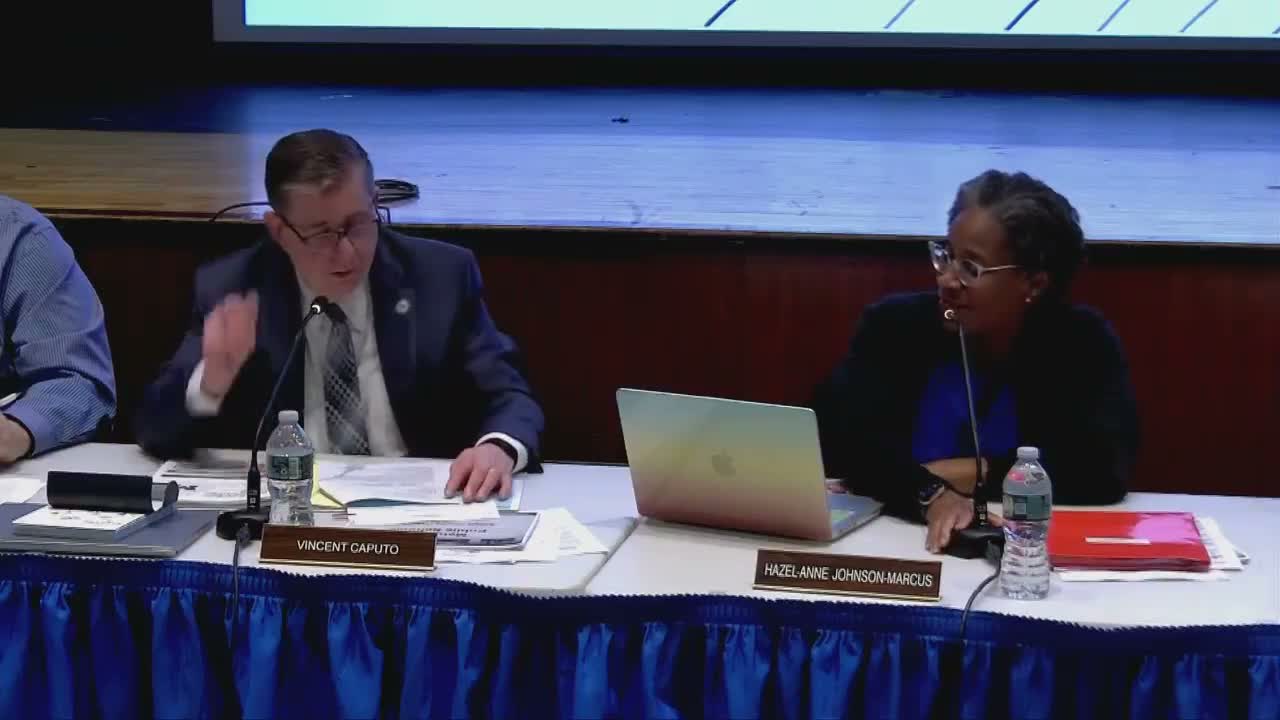
Mr. Porowski, a Metuchen High School administrator, presented the schoolcorrective action plan to the Metuchen Board of Education on April 28, explaining why the district must bring chronic absenteeism below the statethreshold and how it proposes to do so.
The plan responds to state monitoring of chronic absenteeism, Porowski said, and uses data-driven steps and community engagement to reduce absences. "Last year we were at 16.9 percent," he said, adding that "as of 03/30/2026 we are at 9.9 percent." He flagged that 10 percent equals 18 or more absences in a school year and that a relatively small group of students with 18to21 absences last year drove much of the overall rate.
Porowski described three main intervention pillars: incentives, one-on-one check-ins, and early-warning communications. Incentives include privileges targeted to upperclassmen (parking and senior privileges) and potential exemptions from certain non-AP final exams tied to a 90% attendance baseline and teacher approval. "Exemptions are not guaranteed," he said; "the teacher should collaborate and communicate with the student to make a final decision." School staff emphasized that AP courses already have separate exemption practices.
On supports, Porowski said counselors, case managers or administrators conduct one-on-one check-ins to identify obstacles and plan assistance. Asked to clarify, he said the check-ins typically involve a counselor, case manager or staff member calling a student in to discuss attendance, ask "What's happening?" and plan supports or schedule changes as needed.
Porowski and the leadership team had surveyed parents; the top three reasons parents cited for absences were medical issues and documentation gaps, family travel and vacations, and mental-health or anxiety concerns. He stressed the districtapproach emphasizes positive incentives rather than stronger punishments. The presentation also described frequent data reviews, biweekly letters to families close to thresholds, automated calls and social-media reminders, and appeals and credit-recovery processes handled case by case.
Board members asked how credit recovery is triggered and how incentives apply for students with summer birthdays; Porowski said credit recovery depends on the students situation and progress in a course and that exam-exemption incentives serve as an alternative for some students who cannot access parking privileges.
Porowski thanked school and district partners for the collaborative work and said the goal is sustained momentum rather than an immediate one-year fix. "Our goal is to turn the chronic absenteeism rate to under 10 percent," he said.
The board acknowledged the presentation and invited questions; no formal board action on the plan is recorded in the provided transcript.
Next steps noted in the presentation included continuing early-warning reviews, targeted check-ins with at-risk students, expanded parent communication and ongoing monitoring of the rate into the next school year.
The plan responds to state monitoring of chronic absenteeism, Porowski said, and uses data-driven steps and community engagement to reduce absences. "Last year we were at 16.9 percent," he said, adding that "as of 03/30/2026 we are at 9.9 percent." He flagged that 10 percent equals 18 or more absences in a school year and that a relatively small group of students with 18to21 absences last year drove much of the overall rate.
Porowski described three main intervention pillars: incentives, one-on-one check-ins, and early-warning communications. Incentives include privileges targeted to upperclassmen (parking and senior privileges) and potential exemptions from certain non-AP final exams tied to a 90% attendance baseline and teacher approval. "Exemptions are not guaranteed," he said; "the teacher should collaborate and communicate with the student to make a final decision." School staff emphasized that AP courses already have separate exemption practices.
On supports, Porowski said counselors, case managers or administrators conduct one-on-one check-ins to identify obstacles and plan assistance. Asked to clarify, he said the check-ins typically involve a counselor, case manager or staff member calling a student in to discuss attendance, ask "What's happening?" and plan supports or schedule changes as needed.
Porowski and the leadership team had surveyed parents; the top three reasons parents cited for absences were medical issues and documentation gaps, family travel and vacations, and mental-health or anxiety concerns. He stressed the districtapproach emphasizes positive incentives rather than stronger punishments. The presentation also described frequent data reviews, biweekly letters to families close to thresholds, automated calls and social-media reminders, and appeals and credit-recovery processes handled case by case.
Board members asked how credit recovery is triggered and how incentives apply for students with summer birthdays; Porowski said credit recovery depends on the students situation and progress in a course and that exam-exemption incentives serve as an alternative for some students who cannot access parking privileges.
Porowski thanked school and district partners for the collaborative work and said the goal is sustained momentum rather than an immediate one-year fix. "Our goal is to turn the chronic absenteeism rate to under 10 percent," he said.
The board acknowledged the presentation and invited questions; no formal board action on the plan is recorded in the provided transcript.
Next steps noted in the presentation included continuing early-warning reviews, targeted check-ins with at-risk students, expanded parent communication and ongoing monitoring of the rate into the next school year.
View the Full Meeting & All Its Details
This article offers just a summary. Unlock complete video, transcripts, and insights as a Founder Member.
✓
Watch full, unedited meeting videos
✓
Search every word spoken in unlimited transcripts
✓
AI summaries & real-time alerts (all government levels)
✓
Permanent access to expanding government content
30-day money-back guarantee
