Committee revives parts of classroom‑content law but removes civil penalties, adding 'purposefully' mental‑state
April 29, 2026 | Education, Senate , Committees , Legislative, New Hampshire
This article was created by AI summarizing key points discussed. AI makes mistakes, so for full details and context, please refer to the video of the full meeting. Please report any errors so we can fix them. Report an error »
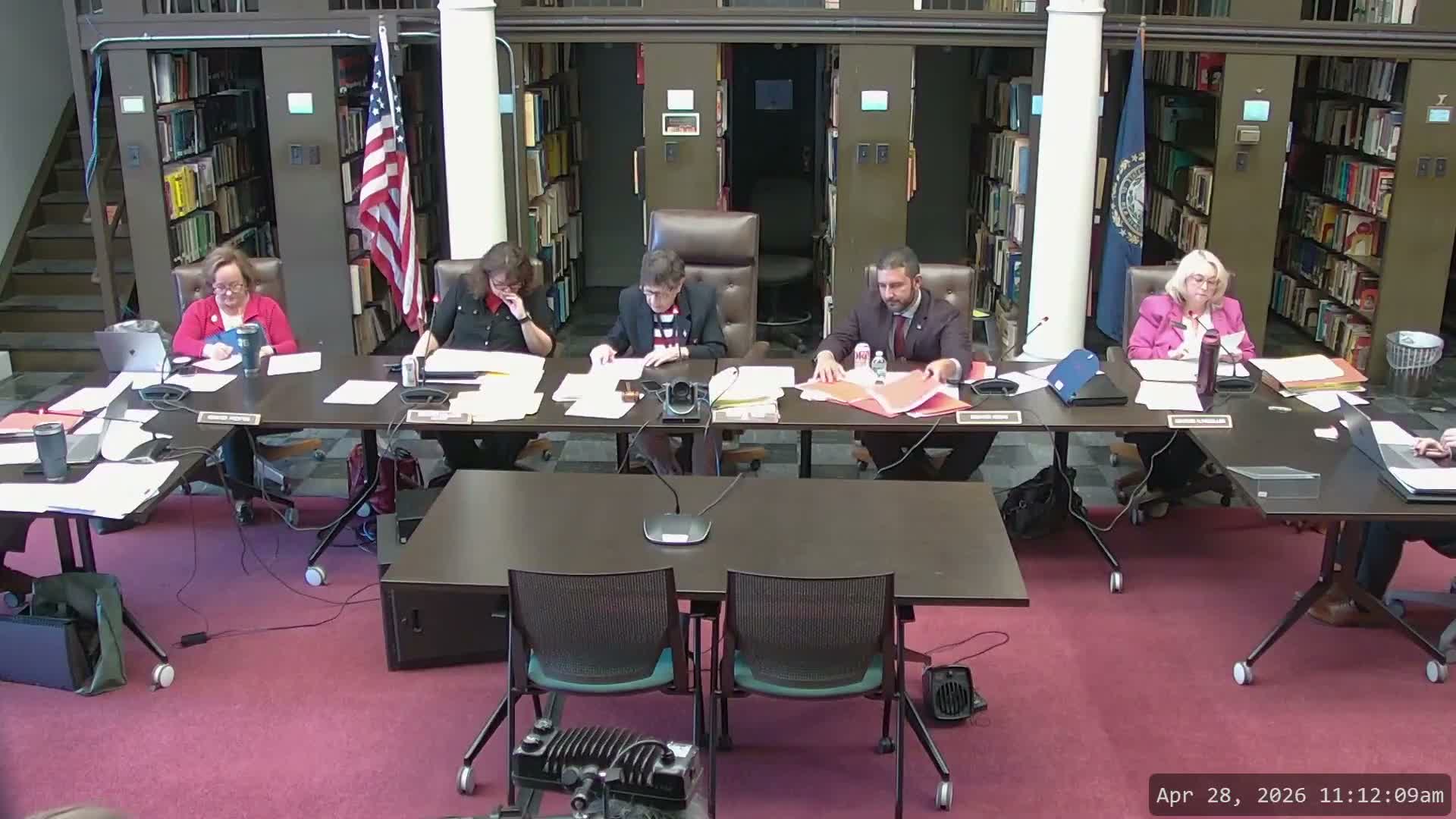
The Senate Education Committee combined and adopted amendments to House Bill 17‑92 that substantially change how the statute at RSA 193:40 would be applied in classrooms.
Sponsor and amendment author argued the replace‑all approach removes civil penalties and adds a 'purposefully' mental‑state requirement so that only intentional violations would be subject to discipline through the Department of Education rather than civil lawsuits. As one member summarized the amendment: it "eliminates the civil penalties... so the only recourse would be with the state Department of Education" and adds that violations must be done "purposefully." The committee then added a separate committee amendment (1475 s) incorporating additional language the committee negotiated.
Why it matters: The underlying statute governs teaching that asserts inherent superiority or inferiority of groups; courts have previously struck down aspects of the law for vagueness. Supporters said the amendment addresses the court's concerns by narrowing mental state and removing civil penalties; opponents warned the bill remains legally risky and that the state should not re‑enter a path the courts already rejected.
What happened: The committee adopted the sponsor's replace‑all amendment and a subsequent committee amendment, then voted to advance HB 17‑92 with the amendments. Members debated whether the changes would survive judicial review and whether the measure represents an unnecessary intrusion into classroom content.
Representative debate highlights: One senator asked whether the pledge or traditional classroom elements might be swept up by the statute's language; another said the court had rejected earlier versions for vagueness and urged the committee to leave the matter alone. A sponsor said the changes reduce risk by requiring intentional conduct and removing civil penalties.
Next steps: The bill was advanced as a committee package for floor consideration; sponsors indicated they would carry the package forward. Several senators said they expect continued legal scrutiny and suggested floor amendments or ITL (inexpedient to legislate) motions if court risk remains.
Sponsor and amendment author argued the replace‑all approach removes civil penalties and adds a 'purposefully' mental‑state requirement so that only intentional violations would be subject to discipline through the Department of Education rather than civil lawsuits. As one member summarized the amendment: it "eliminates the civil penalties... so the only recourse would be with the state Department of Education" and adds that violations must be done "purposefully." The committee then added a separate committee amendment (1475 s) incorporating additional language the committee negotiated.
Why it matters: The underlying statute governs teaching that asserts inherent superiority or inferiority of groups; courts have previously struck down aspects of the law for vagueness. Supporters said the amendment addresses the court's concerns by narrowing mental state and removing civil penalties; opponents warned the bill remains legally risky and that the state should not re‑enter a path the courts already rejected.
What happened: The committee adopted the sponsor's replace‑all amendment and a subsequent committee amendment, then voted to advance HB 17‑92 with the amendments. Members debated whether the changes would survive judicial review and whether the measure represents an unnecessary intrusion into classroom content.
Representative debate highlights: One senator asked whether the pledge or traditional classroom elements might be swept up by the statute's language; another said the court had rejected earlier versions for vagueness and urged the committee to leave the matter alone. A sponsor said the changes reduce risk by requiring intentional conduct and removing civil penalties.
Next steps: The bill was advanced as a committee package for floor consideration; sponsors indicated they would carry the package forward. Several senators said they expect continued legal scrutiny and suggested floor amendments or ITL (inexpedient to legislate) motions if court risk remains.
View the Full Meeting & All Its Details
This article offers just a summary. Unlock complete video, transcripts, and insights as a Founder Member.
✓
Watch full, unedited meeting videos
✓
Search every word spoken in unlimited transcripts
✓
AI summaries & real-time alerts (all government levels)
✓
Permanent access to expanding government content
30-day money-back guarantee
