Colorado lawmakers advance RTD accountability bill after hours of testimony on governance and paratransit
April 28, 2026 | 2026 Legislature CO, Colorado
This article was created by AI summarizing key points discussed. AI makes mistakes, so for full details and context, please refer to the video of the full meeting. Please report any errors so we can fix them. Report an error »
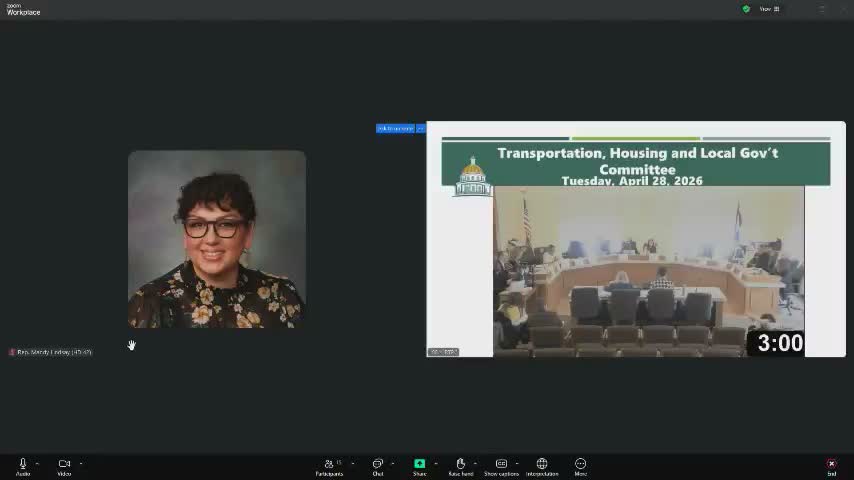
The House Transportation, Housing and Local Government Committee voted 9–4 to advance Senate Bill 150, a broad RTD accountability and governance package that sponsors say is designed to restore trust, improve service and ensure better oversight.
"This bill is really about one thing: making sure that our regional transit system actually works for the people who rely on it every single day," Rep. Jackson said as he and Rep. Froelich outlined the measure. SB150 directs an independent, data‑driven paratransit assessment; reduces RTD's board from 15 members to nine with a hybrid of elected and appointed seats; requires clearer performance expectations and stronger financial oversight; and increases board stipends to attract qualified candidates.
Witness panels included members of the RTD accountability committee, local elected officials, transit advocates and RTD directors. Supporters from the accountability committee and transit advocates emphasized years of oversight reports, declining ridership and deferred maintenance. "We found near‑unanimous agreement on major issues and a crisis that cannot be put off," said Kip Koechmeier, a member of the accountability group. Disability advocates urged the paratransit study, saying riders currently miss medical appointments and rely on unstable services.
RTD Director Matt Larson and other board representatives offered an amend position and a minority report, arguing the board's political role warrants more elected seats and warning that very large districts could reduce democratic accountability. "I was an author of the minority report," Larson said, urging more elected representation and changes to vacancy and chair provisions.
Committee sponsors offered three amendments during the hearing (L29, L30 and L35), including reporting updates and formalizing subregional service councils to strengthen local input; committee members debated and defeated an amendment that would have made all nine seats elected. After questions and sponsor responses, the committee adopted the sponsors' amendments and voted to send SB150, as amended, to the Committee of the Whole with a favorable recommendation.
Next steps: SB150 will be considered in the Committee of the Whole; sponsors said further stakeholder work and second‑reading amendments may follow as the bill moves forward.
"This bill is really about one thing: making sure that our regional transit system actually works for the people who rely on it every single day," Rep. Jackson said as he and Rep. Froelich outlined the measure. SB150 directs an independent, data‑driven paratransit assessment; reduces RTD's board from 15 members to nine with a hybrid of elected and appointed seats; requires clearer performance expectations and stronger financial oversight; and increases board stipends to attract qualified candidates.
Witness panels included members of the RTD accountability committee, local elected officials, transit advocates and RTD directors. Supporters from the accountability committee and transit advocates emphasized years of oversight reports, declining ridership and deferred maintenance. "We found near‑unanimous agreement on major issues and a crisis that cannot be put off," said Kip Koechmeier, a member of the accountability group. Disability advocates urged the paratransit study, saying riders currently miss medical appointments and rely on unstable services.
RTD Director Matt Larson and other board representatives offered an amend position and a minority report, arguing the board's political role warrants more elected seats and warning that very large districts could reduce democratic accountability. "I was an author of the minority report," Larson said, urging more elected representation and changes to vacancy and chair provisions.
Committee sponsors offered three amendments during the hearing (L29, L30 and L35), including reporting updates and formalizing subregional service councils to strengthen local input; committee members debated and defeated an amendment that would have made all nine seats elected. After questions and sponsor responses, the committee adopted the sponsors' amendments and voted to send SB150, as amended, to the Committee of the Whole with a favorable recommendation.
Next steps: SB150 will be considered in the Committee of the Whole; sponsors said further stakeholder work and second‑reading amendments may follow as the bill moves forward.
View the Full Meeting & All Its Details
This article offers just a summary. Unlock complete video, transcripts, and insights as a Founder Member.
✓
Watch full, unedited meeting videos
✓
Search every word spoken in unlimited transcripts
✓
AI summaries & real-time alerts (all government levels)
✓
Permanent access to expanding government content
30-day money-back guarantee
