Bozeman economic development director outlines priorities on infrastructure, workforce and housing
April 20, 2026 | Bozeman City, Gallatin County, Montana
This article was created by AI summarizing key points discussed. AI makes mistakes, so for full details and context, please refer to the video of the full meeting. Please report any errors so we can fix them. Report an error »
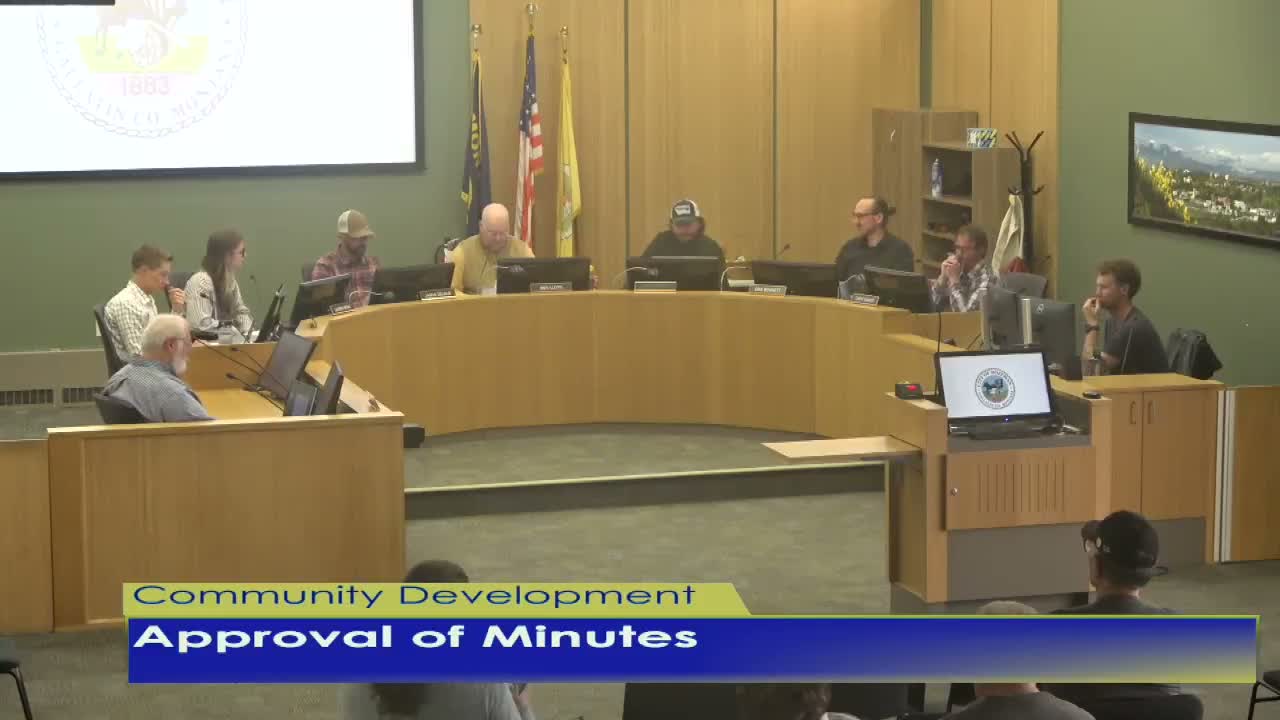
Bridal Fontenot, director of Bozeman’s economic development department, presented the city’s economic vitality strategy and a two-year work plan to the Community Development Board on April 20, explaining how the department’s priorities intersect with land-use planning and the board’s work.
Fontenot summarized three core priorities— infrastructure investment, education and workforce development, and support for local businesses— and described how the department leverages tools such as tax increment financing (TIF) and low-income housing tax credits to support housing and redevelopment. He said the department manages the Community Development Block Grant program, stewards an affordable housing ordinance, and is exploring additional staffing (an urban renewal coordinator and an intern) to support engagement and implementation.
On recruitment and incentives, Fontenot said the department does not run an active company recruitment program and voiced skepticism about tax abatements as a long-term strategy, telling the board, “I don’t believe… in tax abatements” because they can fail to deliver long-term community benefits once abatements expire. He also credited recent years with putting “thousands of units on the ground” and said the city plans an update to the 2019 housing needs assessment in the coming year.
Board members asked about coordination across departments and boards (sustainability, planning, TIF advisory board), and Fontenot described routine cross-department collaboration (development review committee) and examples such as a Family Promise waterline project using CDBG dollars with engineering and legal support. He noted the department supports the Economic Vitality Board and liaises with the TIF advisory board, which now includes school district and county representation per recent state law.
Fontenot’s presentation concluded with an implementation matrix and action steps; he invited board questions and said staff would follow up on any specific items raised.
Why it matters: the economic vitality strategy frames where the city concentrates resources and incentives—decisions that affect land-use, housing affordability, and how public funds such as TIF and CDBG are deployed in Bozeman.
Fontenot summarized three core priorities— infrastructure investment, education and workforce development, and support for local businesses— and described how the department leverages tools such as tax increment financing (TIF) and low-income housing tax credits to support housing and redevelopment. He said the department manages the Community Development Block Grant program, stewards an affordable housing ordinance, and is exploring additional staffing (an urban renewal coordinator and an intern) to support engagement and implementation.
On recruitment and incentives, Fontenot said the department does not run an active company recruitment program and voiced skepticism about tax abatements as a long-term strategy, telling the board, “I don’t believe… in tax abatements” because they can fail to deliver long-term community benefits once abatements expire. He also credited recent years with putting “thousands of units on the ground” and said the city plans an update to the 2019 housing needs assessment in the coming year.
Board members asked about coordination across departments and boards (sustainability, planning, TIF advisory board), and Fontenot described routine cross-department collaboration (development review committee) and examples such as a Family Promise waterline project using CDBG dollars with engineering and legal support. He noted the department supports the Economic Vitality Board and liaises with the TIF advisory board, which now includes school district and county representation per recent state law.
Fontenot’s presentation concluded with an implementation matrix and action steps; he invited board questions and said staff would follow up on any specific items raised.
Why it matters: the economic vitality strategy frames where the city concentrates resources and incentives—decisions that affect land-use, housing affordability, and how public funds such as TIF and CDBG are deployed in Bozeman.
View the Full Meeting & All Its Details
This article offers just a summary. Unlock complete video, transcripts, and insights as a Founder Member.
✓
Watch full, unedited meeting videos
✓
Search every word spoken in unlimited transcripts
✓
AI summaries & real-time alerts (all government levels)
✓
Permanent access to expanding government content
30-day money-back guarantee
