Tompkins County committee presses for peer-support coordinator after staff-wellness survey
April 28, 2026 | Tompkins County, New York
This article was created by AI summarizing key points discussed. AI makes mistakes, so for full details and context, please refer to the video of the full meeting. Please report any errors so we can fix them. Report an error »
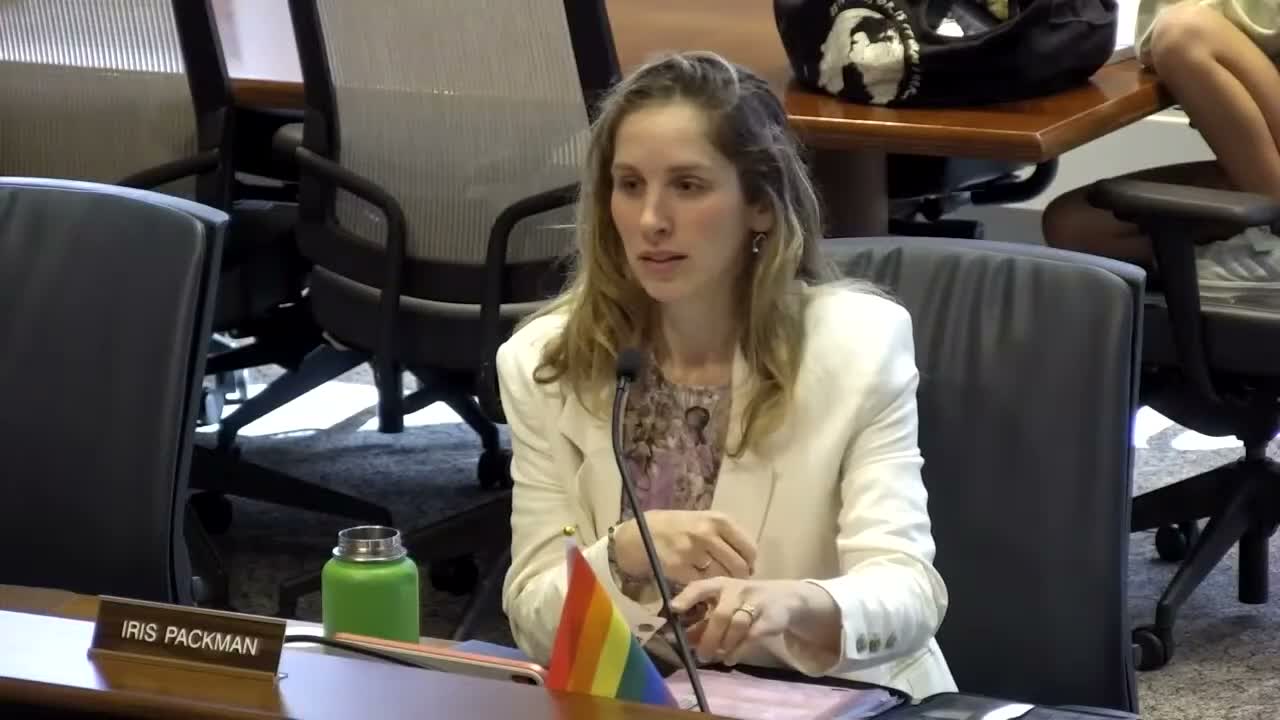
Tompkins County’s Workforce Diversity and Inclusion Committee on April 27 discussed reviving a peer-support coordinator position county officials proposed last year to provide ongoing mental-health and peer-support services to staff.
The conversation followed presentation of a workforce wellness survey and continued reports from staff and committee members describing repeated trauma exposure among public-safety personnel and other county workers. John, a committee member, cited a recent New York State study showing high rates of suicidal ideation and post-traumatic stress among first responders and warned that new 9-1-1 technology that can stream live video to dispatchers increases the emotional burden on staff.
Committee members said peer support is broader than the Employee Assistance Program and could be made available countywide. Samantha Allmendinger, engagement committee lead, described previous efforts in which HR partnered with an existing peer-support program operated by Dewar; the proposal last year requested a standalone 1.0 FTE peer-support coordinator but was not funded.
The meeting recorded a concrete cost estimate discussed in committee: the prior annual request totaled about $124,000 (an $85,571 salary plus roughly $38,000 in fringe benefits), a figure a legislator noted during budget deliberations.
Members recommended preparing an educational briefing for the full legislature before resubmitting a budget request. Ideas included soliciting testimony from practitioners, summarizing local survey data, and highlighting state study findings to make the case that peer support would reduce burnout and long-term costs by improving retention.
"What does that mean as far as their mental health?" John asked, emphasizing the need for safeguards and for the peer-support infrastructure to be in place before new 9-1-1 capabilities are rolled out. Samantha said the committee would help assemble data and facilitate outreach to the legislature.
Next steps identified at the meeting included drafting an education session and written materials drawing on both the county’s wellness survey and relevant state research; several members volunteered to help assemble talking points and data for budget-season consideration.
The conversation followed presentation of a workforce wellness survey and continued reports from staff and committee members describing repeated trauma exposure among public-safety personnel and other county workers. John, a committee member, cited a recent New York State study showing high rates of suicidal ideation and post-traumatic stress among first responders and warned that new 9-1-1 technology that can stream live video to dispatchers increases the emotional burden on staff.
Committee members said peer support is broader than the Employee Assistance Program and could be made available countywide. Samantha Allmendinger, engagement committee lead, described previous efforts in which HR partnered with an existing peer-support program operated by Dewar; the proposal last year requested a standalone 1.0 FTE peer-support coordinator but was not funded.
The meeting recorded a concrete cost estimate discussed in committee: the prior annual request totaled about $124,000 (an $85,571 salary plus roughly $38,000 in fringe benefits), a figure a legislator noted during budget deliberations.
Members recommended preparing an educational briefing for the full legislature before resubmitting a budget request. Ideas included soliciting testimony from practitioners, summarizing local survey data, and highlighting state study findings to make the case that peer support would reduce burnout and long-term costs by improving retention.
"What does that mean as far as their mental health?" John asked, emphasizing the need for safeguards and for the peer-support infrastructure to be in place before new 9-1-1 capabilities are rolled out. Samantha said the committee would help assemble data and facilitate outreach to the legislature.
Next steps identified at the meeting included drafting an education session and written materials drawing on both the county’s wellness survey and relevant state research; several members volunteered to help assemble talking points and data for budget-season consideration.
Don't Miss a Word: See the Full Meeting!
Go beyond summaries. Unlock every video, transcript, and key insight with a Founder Membership.
✓
Get instant access to full meeting videos
✓
Search and clip any phrase from complete transcripts
✓
Receive AI-powered summaries & custom alerts
✓
Enjoy lifetime, unrestricted access to government data
30-day money-back guarantee
