PSC approves WPPI/Waunakee BYOD demand response program with reporting and bill-credit preference
April 24, 2026 | Public Service Commission, State Agencies, Executive, Wisconsin
This article was created by AI summarizing key points discussed. AI makes mistakes, so for full details and context, please refer to the video of the full meeting. Please report any errors so we can fix them. Report an error »
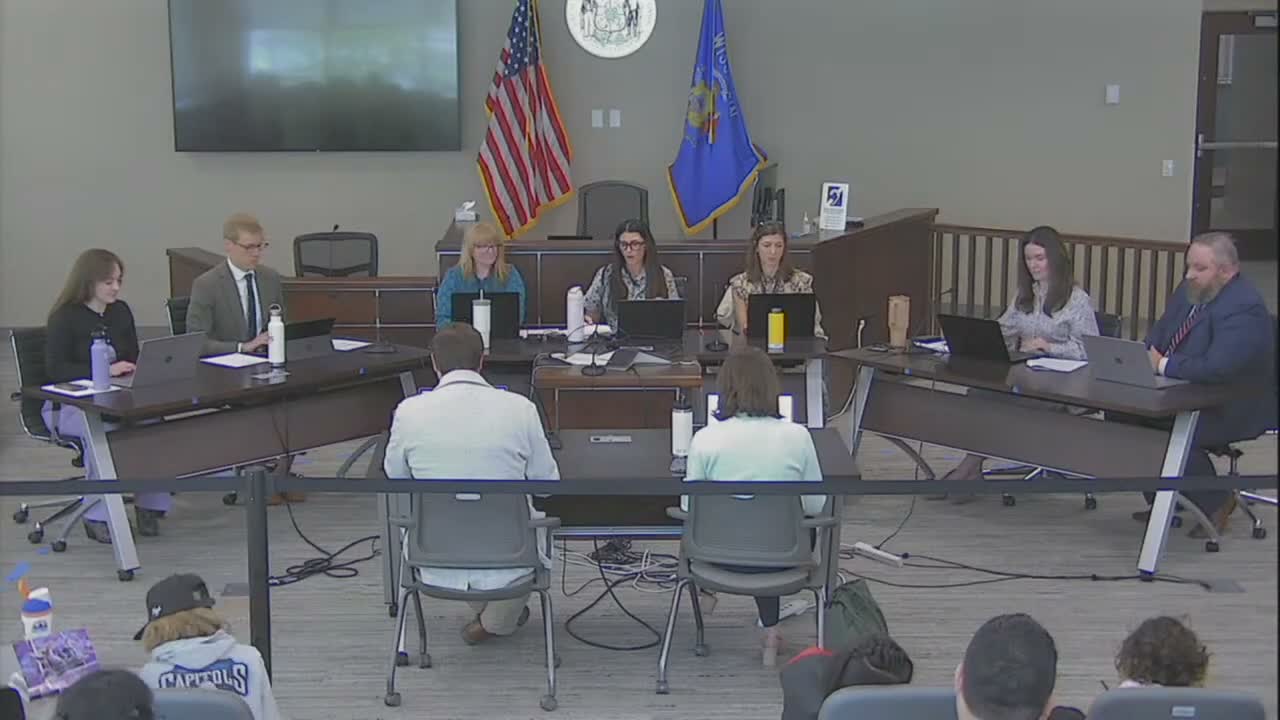
The Public Service Commission unanimously approved an optional 'bring your own device' (BYOD) demand response program filed by WPPI Energy on behalf of the village of Waunakee on April 23, with modifications to tariff language, reporting requirements and a preference for bill-credit incentives.
Commissioner Nieto led the discussion, describing the filing (submitted Aug. 28, 2025) as a voluntary direct load-control offering for residential and general-service customers that would use customer smart devices to reduce or shift load during high-price, peak or emergency periods. "At full scale, the program could provide 3.2 to 4 megawatts of flexible demand across WPPI's utilities," Nieto said, summarizing potential system benefits and the program's design elements.
Nieto said WPPI proposed that the program be administered centrally by WPPI and operated through EnergyHub's DERMS platform for enrollment, communications and dispatch. The revised filing expanded from an initial small pilot (375 customer cap) to a potential cap of about 10,700 qualifying devices across WPPI member utilities. Participation is voluntary and customers may opt out of individual events; the program would primarily operate June–September with no more than 20 control events per year.
On incentives, commissioners expressed a strong preference for delivering customer payments as bill credits rather than gift cards for transparency and consumer experience. Nieto recommended drafting tariff language requiring bill credits, with a limited fallback permitting gift cards only if bill credits are technically infeasible; the utility would then be required to notify the commission and explain the reason in the reporting. "I very strongly do not like the gift card situation either," Chair Strand said; Commissioner Hawkins likewise urged removing gift cards from the table if possible.
Nieto also proposed several tariff edits to remove vague 'sole discretion' language and to require clear advance notice to program participants about incentive type and frequency. She recommended adopting staff's reporting list and timing (24- and 48-month reports, with a 60-month cost-benefit review) and supported delegating approval of future identical program filings to the administrator unless there are substantive changes.
The commission voted to approve the village of Waunakee BYOD program consistent with the discussion, with the order to include the requested tariff clarifications, reporting requirements, and an instruction for the utility to notify the commission if incentives cannot be issued as bill credits.
Next steps: staff will draft the final order reflecting the tariff edits, reporting schedule, and delegation instructions. If a utility later cannot issue bill credits for technical reasons, it must notify the commission in the docket and explain the infeasibility.
Commissioner Nieto led the discussion, describing the filing (submitted Aug. 28, 2025) as a voluntary direct load-control offering for residential and general-service customers that would use customer smart devices to reduce or shift load during high-price, peak or emergency periods. "At full scale, the program could provide 3.2 to 4 megawatts of flexible demand across WPPI's utilities," Nieto said, summarizing potential system benefits and the program's design elements.
Nieto said WPPI proposed that the program be administered centrally by WPPI and operated through EnergyHub's DERMS platform for enrollment, communications and dispatch. The revised filing expanded from an initial small pilot (375 customer cap) to a potential cap of about 10,700 qualifying devices across WPPI member utilities. Participation is voluntary and customers may opt out of individual events; the program would primarily operate June–September with no more than 20 control events per year.
On incentives, commissioners expressed a strong preference for delivering customer payments as bill credits rather than gift cards for transparency and consumer experience. Nieto recommended drafting tariff language requiring bill credits, with a limited fallback permitting gift cards only if bill credits are technically infeasible; the utility would then be required to notify the commission and explain the reason in the reporting. "I very strongly do not like the gift card situation either," Chair Strand said; Commissioner Hawkins likewise urged removing gift cards from the table if possible.
Nieto also proposed several tariff edits to remove vague 'sole discretion' language and to require clear advance notice to program participants about incentive type and frequency. She recommended adopting staff's reporting list and timing (24- and 48-month reports, with a 60-month cost-benefit review) and supported delegating approval of future identical program filings to the administrator unless there are substantive changes.
The commission voted to approve the village of Waunakee BYOD program consistent with the discussion, with the order to include the requested tariff clarifications, reporting requirements, and an instruction for the utility to notify the commission if incentives cannot be issued as bill credits.
Next steps: staff will draft the final order reflecting the tariff edits, reporting schedule, and delegation instructions. If a utility later cannot issue bill credits for technical reasons, it must notify the commission in the docket and explain the infeasibility.
View the Full Meeting & All Its Details
This article offers just a summary. Unlock complete video, transcripts, and insights as a Founder Member.
✓
Watch full, unedited meeting videos
✓
Search every word spoken in unlimited transcripts
✓
AI summaries & real-time alerts (all government levels)
✓
Permanent access to expanding government content
30-day money-back guarantee
