Resident presents data on population, valuation and why commercial growth may not quickly lower tax bills
April 23, 2026 | West Swanzey, Cheshire County, New Hampshire
This article was created by AI summarizing key points discussed. AI makes mistakes, so for full details and context, please refer to the video of the full meeting. Please report any errors so we can fix them. Report an error »
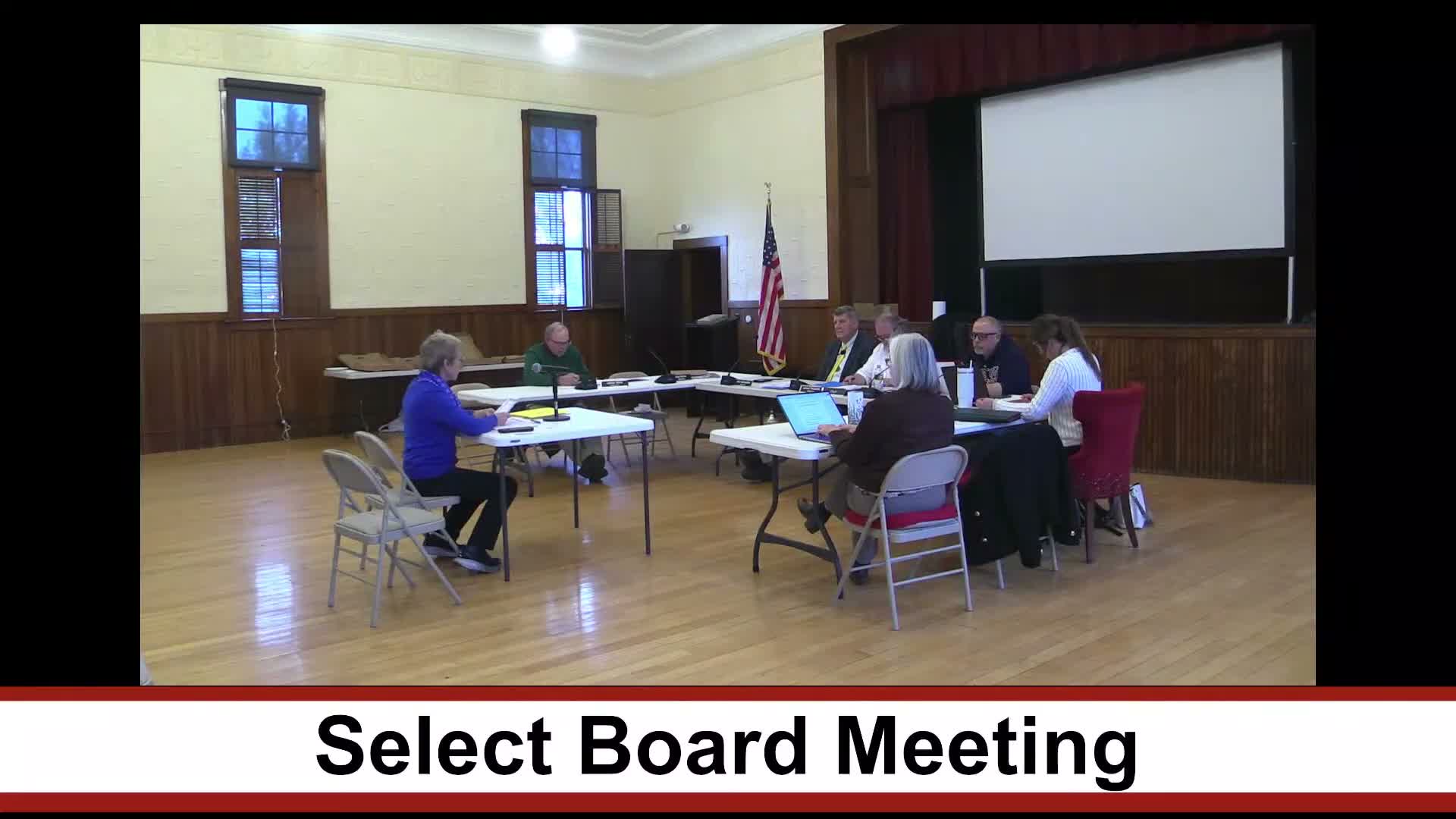
A resident presenter, Victoria, gave a detailed, spreadsheet‑based "State of the Town" presentation showing demographic and assessed‑valuation trends and a model of how commercial growth would affect tax burdens.
Victoria said Swansea gained roughly 288 people between 2010 and 2023 (about 4% growth) and that the town’s median age is among the highest in Cheshire County. She told the board she used MS‑1 valuation data and other records to compare Swansea to the county and to the 11 most‑populous towns in the county.
Using a ‘consumer‑price‑index’ adjustment, Victoria argued that the nominal tax rate has declined in purchasing‑power terms; board members pushed back that residents care about the dollar amount of each taxpayer’s bill, not just the rate. Victoria agreed and the board asked her to produce follow‑up charts that multiply the tax rate by total valuation to show the total dollars collected and the breakdown between school and municipal shares.
In a numerical thought experiment, Victoria estimated that under historic growth rates commercial and industrial assessed value would need to grow at about 9.5% per year to reach Keene’s current share of commercial valuation by roughly 2043 — a level she characterized as improbable without substantial build‑out and a change in town character. “We could get relief as property owners if our commercial industrial assessed value grew at almost 10% every year for the next 17 years,” she said.
Board members asked for additional analysis showing the actual tax bills paid over time and suggested separating school and municipal shares for fiscal clarity. Victoria said she will update the charts annually and provide additional breakdowns on budget vs. valuation effects.
Victoria said Swansea gained roughly 288 people between 2010 and 2023 (about 4% growth) and that the town’s median age is among the highest in Cheshire County. She told the board she used MS‑1 valuation data and other records to compare Swansea to the county and to the 11 most‑populous towns in the county.
Using a ‘consumer‑price‑index’ adjustment, Victoria argued that the nominal tax rate has declined in purchasing‑power terms; board members pushed back that residents care about the dollar amount of each taxpayer’s bill, not just the rate. Victoria agreed and the board asked her to produce follow‑up charts that multiply the tax rate by total valuation to show the total dollars collected and the breakdown between school and municipal shares.
In a numerical thought experiment, Victoria estimated that under historic growth rates commercial and industrial assessed value would need to grow at about 9.5% per year to reach Keene’s current share of commercial valuation by roughly 2043 — a level she characterized as improbable without substantial build‑out and a change in town character. “We could get relief as property owners if our commercial industrial assessed value grew at almost 10% every year for the next 17 years,” she said.
Board members asked for additional analysis showing the actual tax bills paid over time and suggested separating school and municipal shares for fiscal clarity. Victoria said she will update the charts annually and provide additional breakdowns on budget vs. valuation effects.
View the Full Meeting & All Its Details
This article offers just a summary. Unlock complete video, transcripts, and insights as a Founder Member.
✓
Watch full, unedited meeting videos
✓
Search every word spoken in unlimited transcripts
✓
AI summaries & real-time alerts (all government levels)
✓
Permanent access to expanding government content
30-day money-back guarantee
