Developer says post‑94 CRA is needed to build 455‑unit Shady Grove apartments; offers to donate nearly 7 acres
April 24, 2026 | Findlay City, Hancock County , Ohio
This article was created by AI summarizing key points discussed. AI makes mistakes, so for full details and context, please refer to the video of the full meeting. Please report any errors so we can fix them. Report an error »
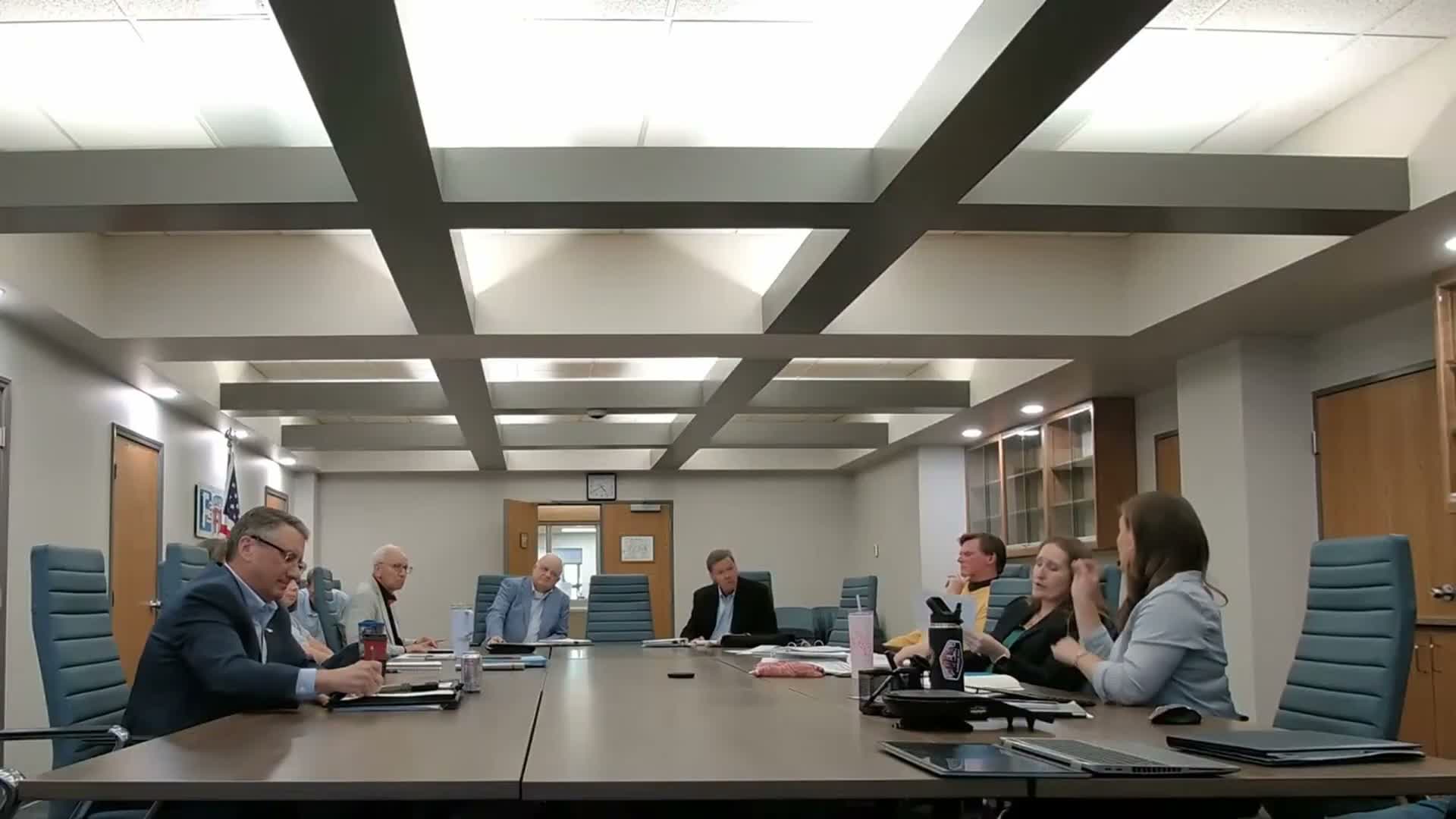
Vision Companies told the Findlay City Strategic Planning Committee it needs a post‑1994 Community Reinvestment Area abatement to underwrite a planned two‑phase, 455‑unit apartment community at Shady Grove and offered to donate roughly seven acres of land for a pocket park, Pete LaRose, the developer’s director of site acquisition, said.
"Without the CRA, we just simply can't cover the debt service," LaRose said, describing the economic necessity of an abatement in current market conditions. Vision's presentation said the total proposed investment would be about $95,000,000. The project is expected to be built in two phases (about 222 units in phase 1 and roughly 233 in phase 2); Vision said it hopes to close construction financing for phase 1 in September and complete that phase in about two years (late 2028).
Jack Klein (introduced by LaRose as Vision's director of finance) told the committee that market shifts and rising construction costs have made abatements typical for projects of this type. "We have not closed any deals in the last couple of years without an abatement," Klein said, noting per‑unit vertical costs have risen from roughly $89,000 in 2021 to more than $115,000 today and that interest‑rate increases have tightened underwriting margins.
Staff (S2) outlined an illustrative tax allocation for an annexed parcel and explained Marion Township's revenue‑sharing agreement: the township receives little immediate benefit from improved value while the abatement is in effect but would receive the increased revenue after the abatement period rolls off. Staff noted that a common illustrative request would be a 75% abatement for 15 years and that if the council agreed to an abatement exceeding 75% the school board would also have to approve the higher level.
Vision said it would donate the parkland and build on‑site detention ponds and walking paths; several council members said the city must evaluate whether to accept and maintain donated parkland and whether watershed assessments or other ongoing costs would attach to the parcel. Committee members also pressed Vision for more granular financial details (requested breakdown of average rents by phase and unit type, income ratios, and the unit mix) and asked city staff and the auditor to present projected infrastructure and service impacts from the development (police, fire, roads, utilities) before any incentive commitments.
No formal incentive was granted at the meeting; staff said it would put together a formal incentive package and work with the developer if the committee wants to proceed in tandem with establishing the CRA ordinance.
Next steps: Vision will supply detailed unit‑mix and rent assumptions and the city will request financial impact and infrastructure cost estimates from the mayor's office, the auditor and public safety chiefs to inform future negotiations.
"Without the CRA, we just simply can't cover the debt service," LaRose said, describing the economic necessity of an abatement in current market conditions. Vision's presentation said the total proposed investment would be about $95,000,000. The project is expected to be built in two phases (about 222 units in phase 1 and roughly 233 in phase 2); Vision said it hopes to close construction financing for phase 1 in September and complete that phase in about two years (late 2028).
Jack Klein (introduced by LaRose as Vision's director of finance) told the committee that market shifts and rising construction costs have made abatements typical for projects of this type. "We have not closed any deals in the last couple of years without an abatement," Klein said, noting per‑unit vertical costs have risen from roughly $89,000 in 2021 to more than $115,000 today and that interest‑rate increases have tightened underwriting margins.
Staff (S2) outlined an illustrative tax allocation for an annexed parcel and explained Marion Township's revenue‑sharing agreement: the township receives little immediate benefit from improved value while the abatement is in effect but would receive the increased revenue after the abatement period rolls off. Staff noted that a common illustrative request would be a 75% abatement for 15 years and that if the council agreed to an abatement exceeding 75% the school board would also have to approve the higher level.
Vision said it would donate the parkland and build on‑site detention ponds and walking paths; several council members said the city must evaluate whether to accept and maintain donated parkland and whether watershed assessments or other ongoing costs would attach to the parcel. Committee members also pressed Vision for more granular financial details (requested breakdown of average rents by phase and unit type, income ratios, and the unit mix) and asked city staff and the auditor to present projected infrastructure and service impacts from the development (police, fire, roads, utilities) before any incentive commitments.
No formal incentive was granted at the meeting; staff said it would put together a formal incentive package and work with the developer if the committee wants to proceed in tandem with establishing the CRA ordinance.
Next steps: Vision will supply detailed unit‑mix and rent assumptions and the city will request financial impact and infrastructure cost estimates from the mayor's office, the auditor and public safety chiefs to inform future negotiations.
View the Full Meeting & All Its Details
This article offers just a summary. Unlock complete video, transcripts, and insights as a Founder Member.
✓
Watch full, unedited meeting videos
✓
Search every word spoken in unlimited transcripts
✓
AI summaries & real-time alerts (all government levels)
✓
Permanent access to expanding government content
30-day money-back guarantee
