Senate Finance reviews H.385 to give victims a path for ‘coerced debt’ relief and authorize bank holds
April 24, 2026 | Finance, SENATE, Committees, Legislative , Vermont
This article was created by AI summarizing key points discussed. AI makes mistakes, so for full details and context, please refer to the video of the full meeting. Please report any errors so we can fix them. Report an error »
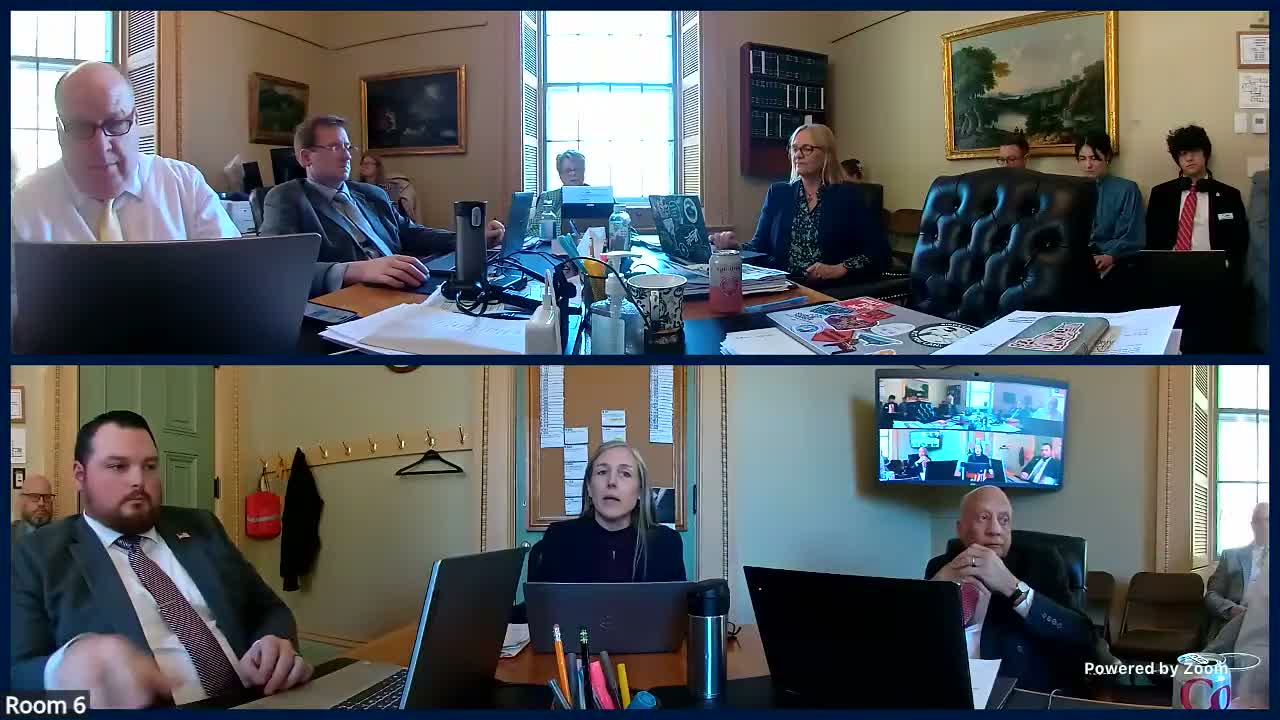
The Senate Finance Committee opened an extensive review of H.385, a bill that would create legal remedies and creditor procedures for victims of "coerced debt" and would establish a mechanism for financial institutions to impose limited holds on suspicious transactions when they reasonably suspect financial exploitation.
A committee reporter explained the bill contains two principal parts: (1) a new subchapter under consumer-protection law that defines "coerced debt" (secured and unsecured debts incurred in the name of a debtor as a result of domestic abuse, human trafficking or exploitation of a vulnerable adult) and sets documentation standards (police report, court order, or sworn professional certification) and creditor timelines for investigation; and (2) suspicious-transaction/financial-exploitation holds that allow covered entities (banks, credit unions, trust companies) to delay or refuse transactions for up to 15 business days (extendable another 15) while they investigate.
The bill would give debtors a path to establish a prima facie case: submitting a sworn statement and adequate documentation displaces the initial default risk and shifts the burden to a creditor to prove by a preponderance that the debt is not coerced. If a creditor finds a debt is coerced the creditor must notify consumer-reporting agencies to remove adverse entries and cease collection activity pending the investigation. The sponsor also explained civil remedies against perpetrators and the possibility of vacating prior default judgments tied to coerced debts.
Sponsor/staff emphasized confidentiality protections: the statute would allow redaction and sealing of records, limit public disclosure by recipients of debtor-submitted information, and give courts authority to weigh safety concerns when disclosure is requested. The sponsor told the committee the effective date for the coerced-debt protections is July 1, 2028; the bank-hold provisions were described as taking effect immediately on passage.
Joe Valente, director of policy at EFR, summarized two DFR study reports underlying the bill and flagged the practical challenge: other states have adopted similar laws in recent years (including New York, Maine, Connecticut, Texas and California), but the administrative and fiscal consequences vary and data on claim volumes and costs remain limited. He said working groups tried to strike balance and that the delayed effective date provides time to monitor other states and prepare stakeholders.
Committee members raised practical concerns: whether auto loans or mortgages should be covered (the bill currently excludes mortgage and commercial loans), potential for fraudulent or repeated claims, how creditors would recover from perpetrators if the perpetrator cannot be identified or is out of state, and credit-reporting procedures with the Fair Credit Reporting Act. Sponsors and advocates said the bill includes safeguards, creditor-investigation timelines and civil remedies to address those risks but agreed that additional stakeholder input — including lenders and consumer-advocate groups — would help refine the balance.
What happens next: the committee asked staff to circulate the DFR/EFR reports and to schedule testimony from creditors, advocates and regulators before markup and amendments.
A committee reporter explained the bill contains two principal parts: (1) a new subchapter under consumer-protection law that defines "coerced debt" (secured and unsecured debts incurred in the name of a debtor as a result of domestic abuse, human trafficking or exploitation of a vulnerable adult) and sets documentation standards (police report, court order, or sworn professional certification) and creditor timelines for investigation; and (2) suspicious-transaction/financial-exploitation holds that allow covered entities (banks, credit unions, trust companies) to delay or refuse transactions for up to 15 business days (extendable another 15) while they investigate.
The bill would give debtors a path to establish a prima facie case: submitting a sworn statement and adequate documentation displaces the initial default risk and shifts the burden to a creditor to prove by a preponderance that the debt is not coerced. If a creditor finds a debt is coerced the creditor must notify consumer-reporting agencies to remove adverse entries and cease collection activity pending the investigation. The sponsor also explained civil remedies against perpetrators and the possibility of vacating prior default judgments tied to coerced debts.
Sponsor/staff emphasized confidentiality protections: the statute would allow redaction and sealing of records, limit public disclosure by recipients of debtor-submitted information, and give courts authority to weigh safety concerns when disclosure is requested. The sponsor told the committee the effective date for the coerced-debt protections is July 1, 2028; the bank-hold provisions were described as taking effect immediately on passage.
Joe Valente, director of policy at EFR, summarized two DFR study reports underlying the bill and flagged the practical challenge: other states have adopted similar laws in recent years (including New York, Maine, Connecticut, Texas and California), but the administrative and fiscal consequences vary and data on claim volumes and costs remain limited. He said working groups tried to strike balance and that the delayed effective date provides time to monitor other states and prepare stakeholders.
Committee members raised practical concerns: whether auto loans or mortgages should be covered (the bill currently excludes mortgage and commercial loans), potential for fraudulent or repeated claims, how creditors would recover from perpetrators if the perpetrator cannot be identified or is out of state, and credit-reporting procedures with the Fair Credit Reporting Act. Sponsors and advocates said the bill includes safeguards, creditor-investigation timelines and civil remedies to address those risks but agreed that additional stakeholder input — including lenders and consumer-advocate groups — would help refine the balance.
What happens next: the committee asked staff to circulate the DFR/EFR reports and to schedule testimony from creditors, advocates and regulators before markup and amendments.
View the Full Meeting & All Its Details
This article offers just a summary. Unlock complete video, transcripts, and insights as a Founder Member.
✓
Watch full, unedited meeting videos
✓
Search every word spoken in unlimited transcripts
✓
AI summaries & real-time alerts (all government levels)
✓
Permanent access to expanding government content
30-day money-back guarantee
