Madison City reports progress on vacant and abandoned property registry; 48 cases opened
April 22, 2026 | Madison City, Jefferson County, Indiana
This article was created by AI summarizing key points discussed. AI makes mistakes, so for full details and context, please refer to the video of the full meeting. Please report any errors so we can fix them. Report an error »
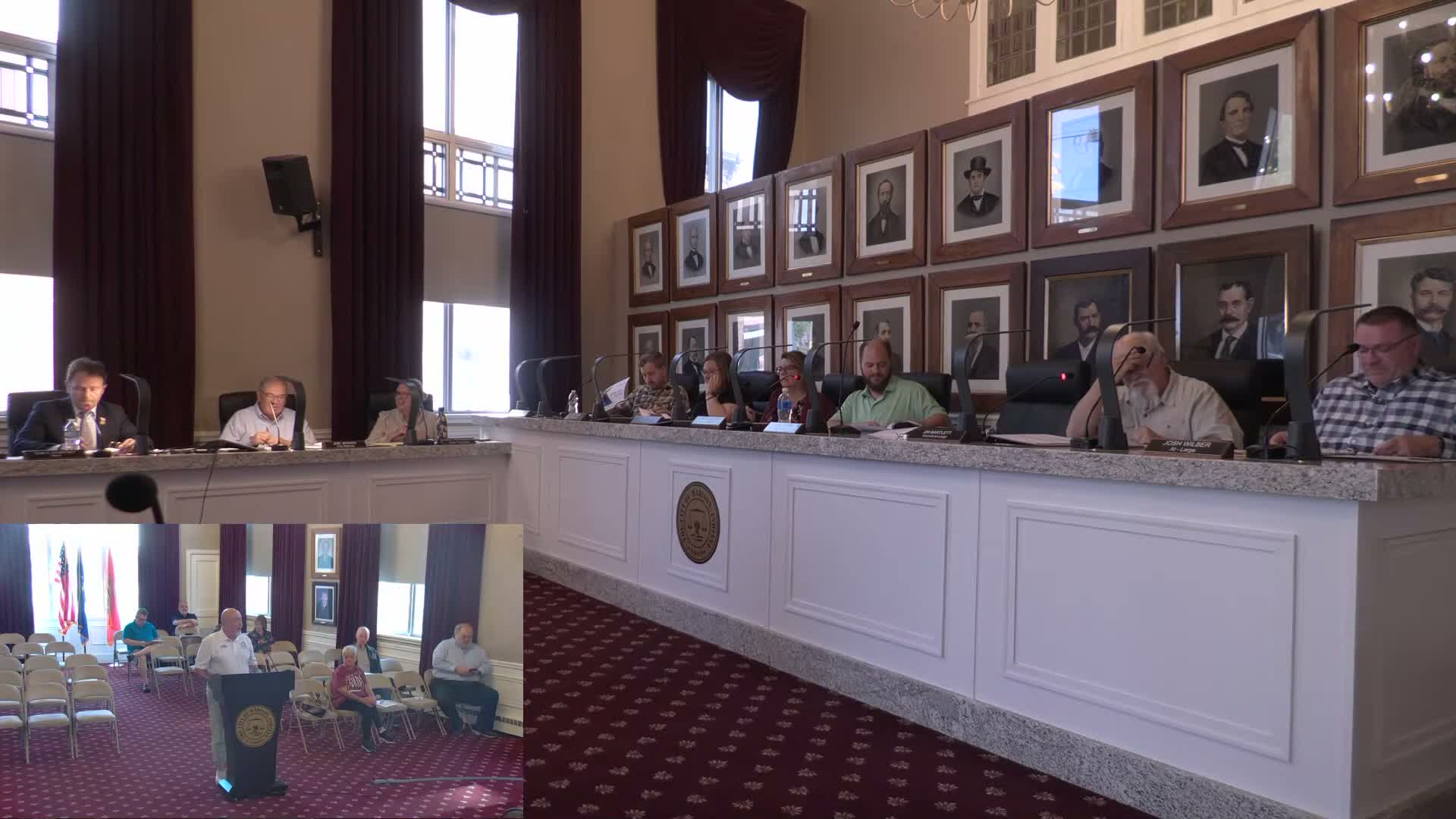
Madison’s code enforcement officer told the City Council on April 21 that the city has opened 48 cases under its vacant-and-abandoned registry and is starting to see measurable progress.
“We are moving in the right direction with the vacant and abandoned ordinance,” Code Enforcement Officer Dewey O’Neil said, reporting that 23 properties were voluntarily registered (16 of those with abatement plans, 2 already meeting building standards) while 25 were registered by staff and are subject to registration fees. O’Neil said 20 of the staff‑registered properties have received fee notices, two owners have formally challenged whether their property is vacant or abandoned, and three have changed ownership.
O’Neil described several examples of outcomes: one property at 1800 Craigmont Street was resolved and removed after owner cooperation; another at 9319 Craigmont has progressed after a change of ownership and grant support. He said some cases have been on the registry for many months—one listing was placed in July 2025 and remained unresolved until a new owner submitted abatement plans the afternoon of the council meeting.
Mayor Bob G. Courtney framed the work as a public‑safety and neighborhood‑stability priority. “These properties are chronic problems,” he said, noting the city adopted the ordinance a year ago and is now moving into a penalty phase for noncompliance.
Under the ordinance, O’Neil said penalties can reach $5,000 per structure per year; after a property reaches that level, a $2,000 quarterly assessment applies until the cap is reached again, and the city may record a lien on the title. O’Neil said staff also can waive assessed fees when a new owner cooperates and submits an acceptable abatement plan.
Council members asked for an accessible list of all open cases by address; O’Neil agreed to provide a report for the next meeting and said the information is available in the city’s case tracking system and can be run to show addresses and status.
Public comments at the meeting included residents who praised enforcement work and offered to volunteer on cleanups. Resident Debbie Beeman thanked staff for pursuing problem properties on Walnut and other streets and said the blight draws trespassers and illicit activity.
The council did not take formal action on the registry at the April 21 meeting; O’Neil indicated staff will continue enforcement, pursue abatement plans and use available tools—notifications, penalties, liens and coordination with new owners—to reduce the portfolio over time.
“We are moving in the right direction with the vacant and abandoned ordinance,” Code Enforcement Officer Dewey O’Neil said, reporting that 23 properties were voluntarily registered (16 of those with abatement plans, 2 already meeting building standards) while 25 were registered by staff and are subject to registration fees. O’Neil said 20 of the staff‑registered properties have received fee notices, two owners have formally challenged whether their property is vacant or abandoned, and three have changed ownership.
O’Neil described several examples of outcomes: one property at 1800 Craigmont Street was resolved and removed after owner cooperation; another at 9319 Craigmont has progressed after a change of ownership and grant support. He said some cases have been on the registry for many months—one listing was placed in July 2025 and remained unresolved until a new owner submitted abatement plans the afternoon of the council meeting.
Mayor Bob G. Courtney framed the work as a public‑safety and neighborhood‑stability priority. “These properties are chronic problems,” he said, noting the city adopted the ordinance a year ago and is now moving into a penalty phase for noncompliance.
Under the ordinance, O’Neil said penalties can reach $5,000 per structure per year; after a property reaches that level, a $2,000 quarterly assessment applies until the cap is reached again, and the city may record a lien on the title. O’Neil said staff also can waive assessed fees when a new owner cooperates and submits an acceptable abatement plan.
Council members asked for an accessible list of all open cases by address; O’Neil agreed to provide a report for the next meeting and said the information is available in the city’s case tracking system and can be run to show addresses and status.
Public comments at the meeting included residents who praised enforcement work and offered to volunteer on cleanups. Resident Debbie Beeman thanked staff for pursuing problem properties on Walnut and other streets and said the blight draws trespassers and illicit activity.
The council did not take formal action on the registry at the April 21 meeting; O’Neil indicated staff will continue enforcement, pursue abatement plans and use available tools—notifications, penalties, liens and coordination with new owners—to reduce the portfolio over time.
View the Full Meeting & All Its Details
This article offers just a summary. Unlock complete video, transcripts, and insights as a Founder Member.
✓
Watch full, unedited meeting videos
✓
Search every word spoken in unlimited transcripts
✓
AI summaries & real-time alerts (all government levels)
✓
Permanent access to expanding government content
30-day money-back guarantee
