Council discusses targeted code changes for large-lot small-animal husbandry and food access, asks for focused outreach
April 22, 2026 | Oro Valley, Pima County, Arizona
This article was created by AI summarizing key points discussed. AI makes mistakes, so for full details and context, please refer to the video of the full meeting. Please report any errors so we can fix them. Report an error »
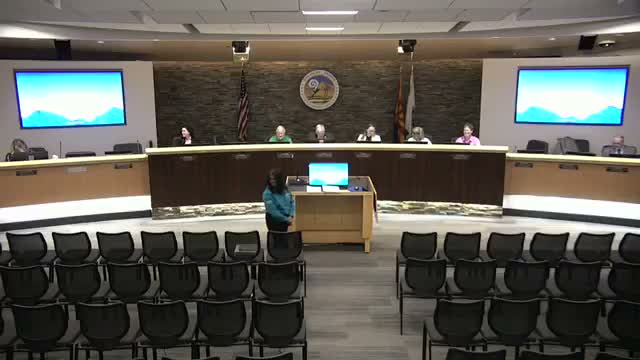
Principal Planner Malini Sims led a study-session presentation on possible zoning code amendments related to small-animal husbandry and food access. Staff framed the discussion around large lots (3.3 acres and larger, R144), where farms are already permitted, and described options under consideration:
- Allowing up to a 50% increase in the number of small animals on large lots with neighbor acceptance (using a postcard/notification process similar to minor residential setback approvals); increases above 50% would still require a conditional-use permit.
- Considering a limited allowance for male fowl (roosters) on large lots only (examples from other jurisdictions allow roosters up to four months old before maturity/crowing) and seeking public outreach on that point.
- Permitting small-scale on-site food processing for personal consumption on large lots, while requiring a conditional-use permit for commercial processing or sales.
- Defining and expanding allowances for community gardens, farmers markets, food banks and mobile food pantries as ancillary uses to churches, schools and non-profits and clarifying standards for fencing, lighting and abandonment.
Council discussion focused on geographic variation among R144 lots (some are long-established farm neighborhoods; others are non-agricultural large lots), notification and neighbor-consent mechanics, potential grandfathering of existing farms, HOA authority and overlay-district options. Councilmembers asked staff to conduct targeted outreach to large-lot owners, explore overlay-district mapping for areas where farming is already part of neighborhood character, and return with draft code language after focused community engagement.
- Allowing up to a 50% increase in the number of small animals on large lots with neighbor acceptance (using a postcard/notification process similar to minor residential setback approvals); increases above 50% would still require a conditional-use permit.
- Considering a limited allowance for male fowl (roosters) on large lots only (examples from other jurisdictions allow roosters up to four months old before maturity/crowing) and seeking public outreach on that point.
- Permitting small-scale on-site food processing for personal consumption on large lots, while requiring a conditional-use permit for commercial processing or sales.
- Defining and expanding allowances for community gardens, farmers markets, food banks and mobile food pantries as ancillary uses to churches, schools and non-profits and clarifying standards for fencing, lighting and abandonment.
Council discussion focused on geographic variation among R144 lots (some are long-established farm neighborhoods; others are non-agricultural large lots), notification and neighbor-consent mechanics, potential grandfathering of existing farms, HOA authority and overlay-district options. Councilmembers asked staff to conduct targeted outreach to large-lot owners, explore overlay-district mapping for areas where farming is already part of neighborhood character, and return with draft code language after focused community engagement.
Don't Miss a Word: See the Full Meeting!
Go beyond summaries. Unlock every video, transcript, and key insight with a Founder Membership.
✓
Get instant access to full meeting videos
✓
Search and clip any phrase from complete transcripts
✓
Receive AI-powered summaries & custom alerts
✓
Enjoy lifetime, unrestricted access to government data
30-day money-back guarantee
