Audit finds travel controls largely working but flags documentation gaps in Savannah‑Chatham County schools
April 24, 2026 | Savannah-Chatham County, School Districts, Georgia
This article was created by AI summarizing key points discussed. AI makes mistakes, so for full details and context, please refer to the video of the full meeting. Please report any errors so we can fix them. Report an error »
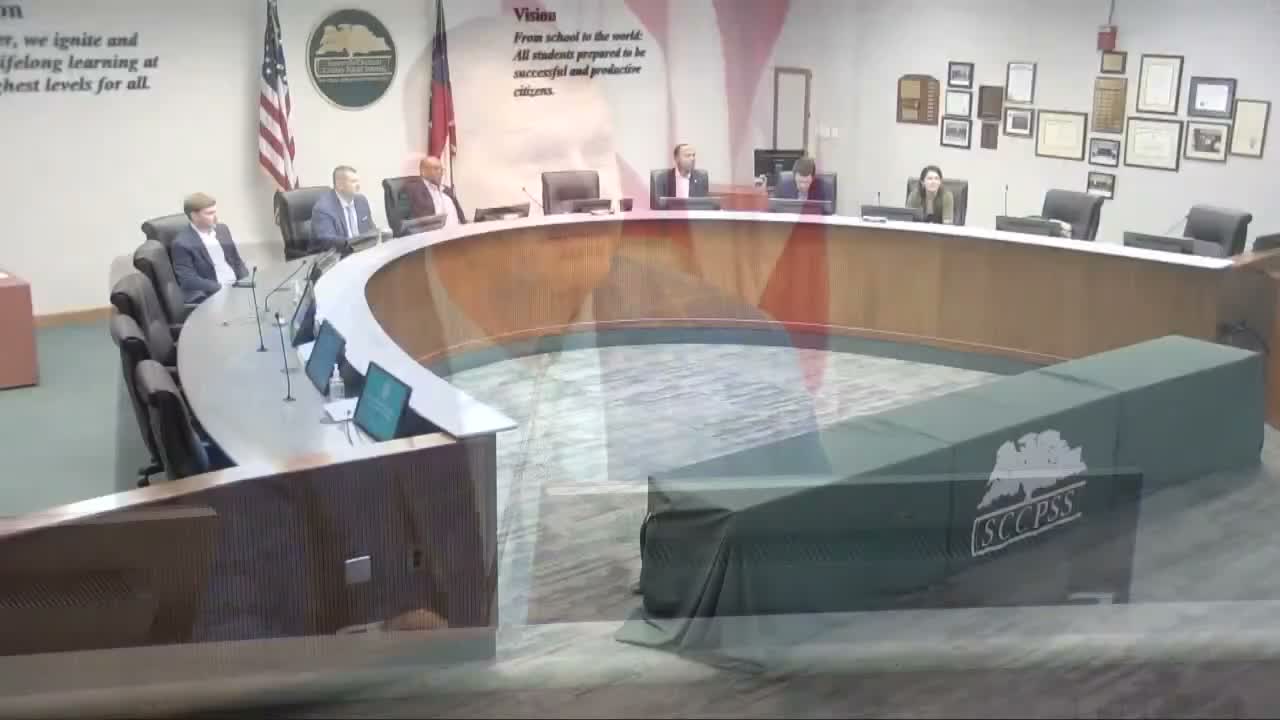
The Savannah Chatham County Public School Audit Committee on April 23 heard that an internal review of employee travel practices received an overall “satisfactory” rating but exposed gaps in documentation and coding that limit transparency and oversight.
The audit presenter told the committee the review had four objectives: determine compliance with district, state and federal travel requirements; verify reimbursements were properly documented and reported; assess whether the district selects economical travel options; and evaluate whether travel monitoring measures produce measurable outcomes. “For this audit, there it was a satisfactory rating overall,” the audit presenter said.
The report identified several strengths, including an established approval workflow, strong reconciliation processes in finance, defined TIGA reporting and improved object‑code accuracy. At the same time, auditors noted inconsistencies in document standards and review processes and recommended steps to strengthen controls and consistency.
“We reviewed 341 transactions and 20% has deficiencies,” the audit presenter said, citing missing documentation, incomplete business purposes, late submissions and incorrect object codes as common problems. Management’s response, as read by audit staff, included plans for a superintendent directive, a standard pre‑approval checklist, a pre‑audit review step and targeted training for approvers, bookkeepers and travelers.
During questions, a committee member asked whether the district’s Tyler Munis system would resolve the timeliness and completeness issues. The audit presenter replied that the software helps but emphasized that the core need is training and ensuring whoever uploads records into Munis includes the correct documentation. On budgetary tracking, the presenter agreed to provide the total travel budget after the meeting.
The Chair moved to accept the audit and called for the vote. The transcript records the Chair asking, “All in favor?” followed by “Aye.” Immediately afterward the transcript contains the line “Audit is denied,” creating a conflicting record. The committee’s formal outcome on the travel audit is not reliably determinable from the transcript alone; staff documentation should be consulted to confirm the official vote and next steps.
The audit presenter told the committee the district will implement consolidated reporting and an annual review process to monitor travel spend and identify cost‑saving opportunities. The committee did not set a formal follow‑up deadline during the meeting; staff indicated additional details and the total travel budget would be provided to committee members.
The meeting moved on after the discussion, and the committee proceeded to other agenda items.
The audit presenter told the committee the review had four objectives: determine compliance with district, state and federal travel requirements; verify reimbursements were properly documented and reported; assess whether the district selects economical travel options; and evaluate whether travel monitoring measures produce measurable outcomes. “For this audit, there it was a satisfactory rating overall,” the audit presenter said.
The report identified several strengths, including an established approval workflow, strong reconciliation processes in finance, defined TIGA reporting and improved object‑code accuracy. At the same time, auditors noted inconsistencies in document standards and review processes and recommended steps to strengthen controls and consistency.
“We reviewed 341 transactions and 20% has deficiencies,” the audit presenter said, citing missing documentation, incomplete business purposes, late submissions and incorrect object codes as common problems. Management’s response, as read by audit staff, included plans for a superintendent directive, a standard pre‑approval checklist, a pre‑audit review step and targeted training for approvers, bookkeepers and travelers.
During questions, a committee member asked whether the district’s Tyler Munis system would resolve the timeliness and completeness issues. The audit presenter replied that the software helps but emphasized that the core need is training and ensuring whoever uploads records into Munis includes the correct documentation. On budgetary tracking, the presenter agreed to provide the total travel budget after the meeting.
The Chair moved to accept the audit and called for the vote. The transcript records the Chair asking, “All in favor?” followed by “Aye.” Immediately afterward the transcript contains the line “Audit is denied,” creating a conflicting record. The committee’s formal outcome on the travel audit is not reliably determinable from the transcript alone; staff documentation should be consulted to confirm the official vote and next steps.
The audit presenter told the committee the district will implement consolidated reporting and an annual review process to monitor travel spend and identify cost‑saving opportunities. The committee did not set a formal follow‑up deadline during the meeting; staff indicated additional details and the total travel budget would be provided to committee members.
The meeting moved on after the discussion, and the committee proceeded to other agenda items.
View the Full Meeting & All Its Details
This article offers just a summary. Unlock complete video, transcripts, and insights as a Founder Member.
✓
Watch full, unedited meeting videos
✓
Search every word spoken in unlimited transcripts
✓
AI summaries & real-time alerts (all government levels)
✓
Permanent access to expanding government content
30-day money-back guarantee
