Ansmil warns of fiscal risks as Libya signs Annex 1 to unified spending framework
April 23, 2026 | United Nations, International
This article was created by AI summarizing key points discussed. AI makes mistakes, so for full details and context, please refer to the video of the full meeting. Please report any errors so we can fix them. Report an error »
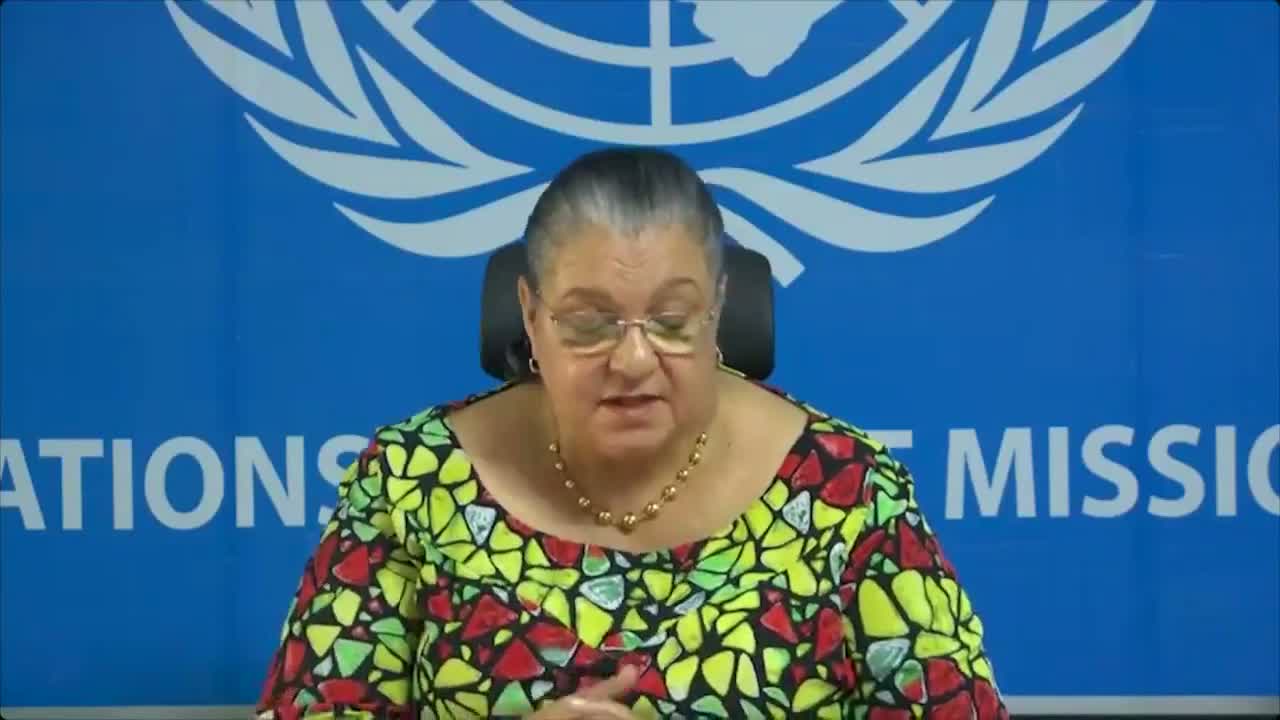
An Ansmil representative told the Security Council that Libya’s economic indicators are worsening and that opaque public spending and diversion of oil revenues are weakening state capacity.
"Libya's economic situation is deteriorating sharply," the representative said, citing currency pressures, rising prices, fuel shortages, uncontrolled public spending and growing poverty. He said these trends feed public anger and increase risks of instability.
The representative referenced a panel of experts’ findings released two days earlier that, he said, explain the erosion of the state's capacity to govern and described a "distorted political economy that fuels unaccountable spending and weaponizes oil revenues." He welcomed the April 11 signing of Annex 1 to the unified development program by members of the House of Representatives and the High Council of State, which adopts a unified spending framework for 2026, but cautioned that its effect will hinge on political leaders' commitment and independent oversight.
The briefing called for concrete improvements in hydrocarbon governance, stronger linkage between allocations and centralized salary systems, and adoption of an updated anti‑money‑laundering and counterterrorist financing law to reduce diversion of resources and reinforce fiscal discipline.
"Libya's economic situation is deteriorating sharply," the representative said, citing currency pressures, rising prices, fuel shortages, uncontrolled public spending and growing poverty. He said these trends feed public anger and increase risks of instability.
The representative referenced a panel of experts’ findings released two days earlier that, he said, explain the erosion of the state's capacity to govern and described a "distorted political economy that fuels unaccountable spending and weaponizes oil revenues." He welcomed the April 11 signing of Annex 1 to the unified development program by members of the House of Representatives and the High Council of State, which adopts a unified spending framework for 2026, but cautioned that its effect will hinge on political leaders' commitment and independent oversight.
The briefing called for concrete improvements in hydrocarbon governance, stronger linkage between allocations and centralized salary systems, and adoption of an updated anti‑money‑laundering and counterterrorist financing law to reduce diversion of resources and reinforce fiscal discipline.
View the Full Meeting & All Its Details
This article offers just a summary. Unlock complete video, transcripts, and insights as a Founder Member.
✓
Watch full, unedited meeting videos
✓
Search every word spoken in unlimited transcripts
✓
AI summaries & real-time alerts (all government levels)
✓
Permanent access to expanding government content
30-day money-back guarantee
