Commission debates charter renumbering and structure of proposed ethics board
April 21, 2026 | Albany, Dougherty County, Georgia
This article was created by AI summarizing key points discussed. AI makes mistakes, so for full details and context, please refer to the video of the full meeting. Please report any errors so we can fix them. Report an error »
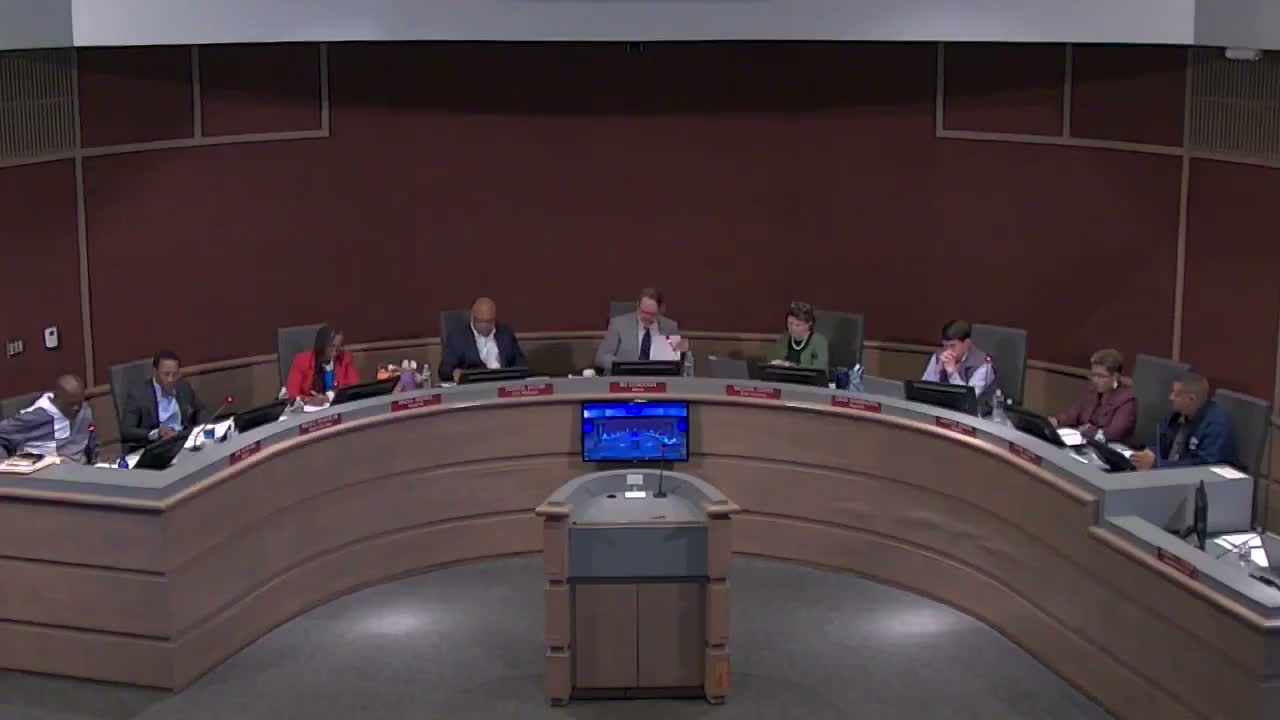
City legal staff and commissioners reviewed proposed corrections to Section 26 of the charter and changes to city code (including section 2‑7‑24) related to the code of ethics and formation of a board of ethics. Staff said earlier ordinances (2015, 2018, 2023) had renumbering errors and that the packet includes redlines to restore omitted subsections and place sections in chronological order.
The more substantial debate concerned how an ethics board would convene. Staff presented one model drawn from Georgia Municipal Association (GMA) language that creates a 7‑member pool of qualified citizens; on receipt of a verified complaint, names are drawn randomly in public until three members are appointed to hear that case. The draft includes a provision that an independent attorney (not a city employee) attend board meetings and hearings and recommends training for board members. Several commissioners objected to convening only three members for a case, arguing that all seven should sit to ensure fairness and reduce perceptions of bias; staff and other commissioners countered that a rotating pool ensures availability, reduces scheduling hurdles and mirrors appellate panels.
Commissioners asked staff to collect examples from peer cities (Valdosta, Columbus, Macon) about ethics-board structures and to add explicit training requirements. Staff said a formal charter amendment would be presented in the coming ordinance cycle and that a first vote would occur next month with a second reading in May per charter requirements.
The more substantial debate concerned how an ethics board would convene. Staff presented one model drawn from Georgia Municipal Association (GMA) language that creates a 7‑member pool of qualified citizens; on receipt of a verified complaint, names are drawn randomly in public until three members are appointed to hear that case. The draft includes a provision that an independent attorney (not a city employee) attend board meetings and hearings and recommends training for board members. Several commissioners objected to convening only three members for a case, arguing that all seven should sit to ensure fairness and reduce perceptions of bias; staff and other commissioners countered that a rotating pool ensures availability, reduces scheduling hurdles and mirrors appellate panels.
Commissioners asked staff to collect examples from peer cities (Valdosta, Columbus, Macon) about ethics-board structures and to add explicit training requirements. Staff said a formal charter amendment would be presented in the coming ordinance cycle and that a first vote would occur next month with a second reading in May per charter requirements.
Don't Miss a Word: See the Full Meeting!
Go beyond summaries. Unlock every video, transcript, and key insight with a Founder Membership.
✓
Get instant access to full meeting videos
✓
Search and clip any phrase from complete transcripts
✓
Receive AI-powered summaries & custom alerts
✓
Enjoy lifetime, unrestricted access to government data
30-day money-back guarantee
