Papillion La Vista assistant superintendent outlines how the district develops curriculum
April 22, 2026 | Papillion La Vista Community Schools, School Districts, Nebraska
This article was created by AI summarizing key points discussed. AI makes mistakes, so for full details and context, please refer to the video of the full meeting. Please report any errors so we can fix them. Report an error »
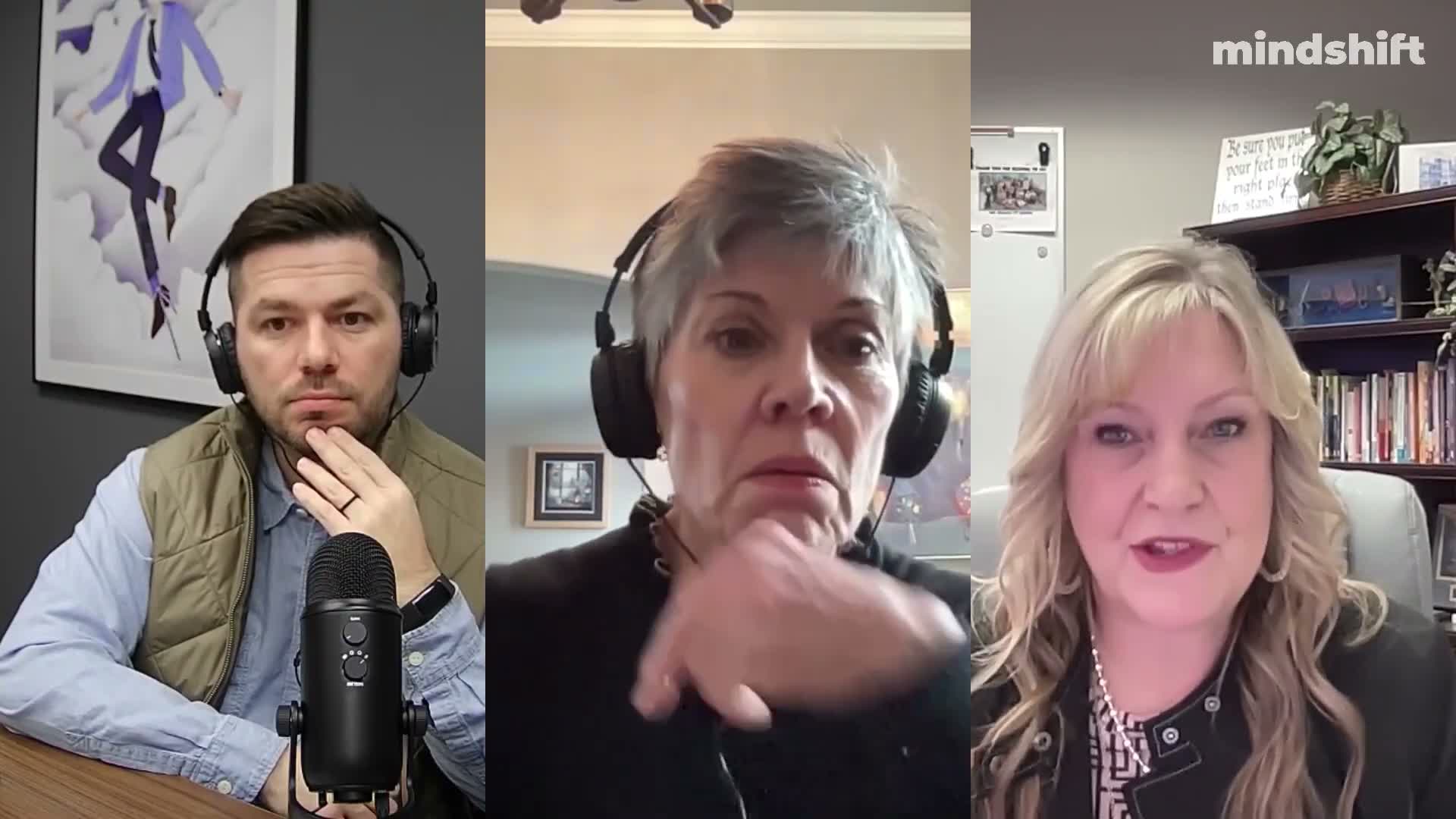
Dr. Shereen Suri, assistant superintendent of teaching and learning for Papillion La Vista Community Schools, described how the district defines and develops its curriculum in a Mindshift podcast episode.
"The curriculum consists of the standards or what you could call the objectives, the essential learnings, what we want our students to learn," Suri said, adding that textbooks are only one part of that larger set of materials, which also includes instructional philosophy, classroom activities and assessments.
Suri said Papillion La Vista adopts the Nebraska state standards and that the standards set what students are guaranteed to learn across the state. "The part that is different is the art of teaching," she said, explaining that how teachers deliver the standards and which resources they use can vary by district and community needs.
To choose and update district curriculum, Suri described a collaborative "toolbox process" that brings curriculum experts together with classroom practitioners and representatives from across the district. "We put those individuals with our practitioners, our teachers," she said, "and we talk about what's working, what's not working, what are the needs that our students have." She said the district-developed curriculum goes through four stages and was created with teacher input.
Suri said PLCS follows a seven-year curriculum cycle: roughly three years for development and rollout and about four years of full implementation. "So, currently, our curriculum is on a cycle. It's a 7 year cycle," she said. She noted two circumstances that can prompt out-of-cycle updates: new state requirements and concerning student-achievement data. As an example, she cited a recent Nebraska law mandating personal finance coursework for graduation, which required the district to add that course outside the usual cycle.
Parents and community members can take part in review opportunities, Suri said. "We always have an opportunity for, actually, not just parents, but anyone in our community. We have an open house where they can come in and see either the two that we've narrowed down to or the one that we have decided we think we're gonna move forward with," she said, adding the district also gathers input through parent surveys and encourages parents to contact classroom teachers with questions.
On classroom differentiation, Suri said teachers "are really good at watching the edges," meaning they monitor students who are struggling and those who need more challenge, then pair relationship knowledge with assessment data to guide interventions. She described ongoing research about brain development and professional development for teachers as reasons for optimism about student learning over the next decade.
The discussion was part of the Mindshift podcast; hosts encouraged listeners to follow the series and visit plcschools.org/mindshift for more episodes.
"The curriculum consists of the standards or what you could call the objectives, the essential learnings, what we want our students to learn," Suri said, adding that textbooks are only one part of that larger set of materials, which also includes instructional philosophy, classroom activities and assessments.
Suri said Papillion La Vista adopts the Nebraska state standards and that the standards set what students are guaranteed to learn across the state. "The part that is different is the art of teaching," she said, explaining that how teachers deliver the standards and which resources they use can vary by district and community needs.
To choose and update district curriculum, Suri described a collaborative "toolbox process" that brings curriculum experts together with classroom practitioners and representatives from across the district. "We put those individuals with our practitioners, our teachers," she said, "and we talk about what's working, what's not working, what are the needs that our students have." She said the district-developed curriculum goes through four stages and was created with teacher input.
Suri said PLCS follows a seven-year curriculum cycle: roughly three years for development and rollout and about four years of full implementation. "So, currently, our curriculum is on a cycle. It's a 7 year cycle," she said. She noted two circumstances that can prompt out-of-cycle updates: new state requirements and concerning student-achievement data. As an example, she cited a recent Nebraska law mandating personal finance coursework for graduation, which required the district to add that course outside the usual cycle.
Parents and community members can take part in review opportunities, Suri said. "We always have an opportunity for, actually, not just parents, but anyone in our community. We have an open house where they can come in and see either the two that we've narrowed down to or the one that we have decided we think we're gonna move forward with," she said, adding the district also gathers input through parent surveys and encourages parents to contact classroom teachers with questions.
On classroom differentiation, Suri said teachers "are really good at watching the edges," meaning they monitor students who are struggling and those who need more challenge, then pair relationship knowledge with assessment data to guide interventions. She described ongoing research about brain development and professional development for teachers as reasons for optimism about student learning over the next decade.
The discussion was part of the Mindshift podcast; hosts encouraged listeners to follow the series and visit plcschools.org/mindshift for more episodes.
View the Full Meeting & All Its Details
This article offers just a summary. Unlock complete video, transcripts, and insights as a Founder Member.
✓
Watch full, unedited meeting videos
✓
Search every word spoken in unlimited transcripts
✓
AI summaries & real-time alerts (all government levels)
✓
Permanent access to expanding government content
30-day money-back guarantee
