Assembly raises local-improvement-district approval bar to 75% after debate over property rights
April 22, 2026 | Matanuska-Susitna Borough, Alaska
This article was created by AI summarizing key points discussed. AI makes mistakes, so for full details and context, please refer to the video of the full meeting. Please report any errors so we can fix them. Report an error »
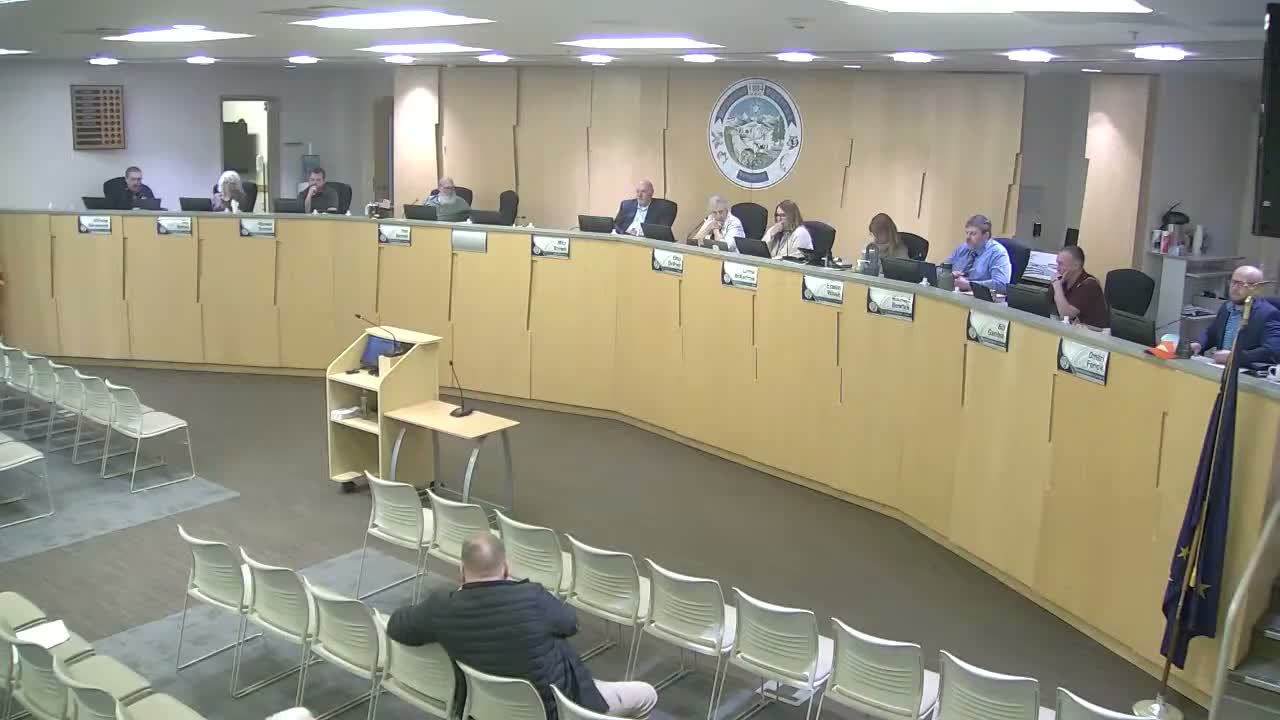
The assembly voted to raise the property-owner approval threshold for contiguous local improvement districts (LIDs) to 75%, significantly increasing the supermajority required to impose assessments.
The measure began as a proposal to raise the threshold from 54% to a two-thirds level; members discussed whether ballots not returned should count as 'no' votes and whether a higher threshold was needed if unreturned ballots were excluded from the count. Finance staff told the assembly that LIDs had, in rare instances, entered foreclosure processes in the past but that owners frequently cured delinquencies before tax sale.
Supporters of a higher threshold argued 75% better protects property owners from being forced to pay for improvements they do not want; opponents said an excessively high bar would stall constructive infrastructure projects. After a sequence of amendments, the assembly adopted the 75% threshold measure. The adopted ordinance removes the prior provision that would count unreturned ballots as no votes; instead the higher approval percentage now provides a stronger safeguard for property owners.
Assembly members asked staff to clarify foreclosure mechanics and noted that while foreclosures are rare, LIDs that enter the delinquency timeline can subject owners to loans or fees. The assembly recorded votes on several amendments before final adoption.
The measure began as a proposal to raise the threshold from 54% to a two-thirds level; members discussed whether ballots not returned should count as 'no' votes and whether a higher threshold was needed if unreturned ballots were excluded from the count. Finance staff told the assembly that LIDs had, in rare instances, entered foreclosure processes in the past but that owners frequently cured delinquencies before tax sale.
Supporters of a higher threshold argued 75% better protects property owners from being forced to pay for improvements they do not want; opponents said an excessively high bar would stall constructive infrastructure projects. After a sequence of amendments, the assembly adopted the 75% threshold measure. The adopted ordinance removes the prior provision that would count unreturned ballots as no votes; instead the higher approval percentage now provides a stronger safeguard for property owners.
Assembly members asked staff to clarify foreclosure mechanics and noted that while foreclosures are rare, LIDs that enter the delinquency timeline can subject owners to loans or fees. The assembly recorded votes on several amendments before final adoption.
Don't Miss a Word: See the Full Meeting!
Go beyond summaries. Unlock every video, transcript, and key insight with a Founder Membership.
✓
Get instant access to full meeting videos
✓
Search and clip any phrase from complete transcripts
✓
Receive AI-powered summaries & custom alerts
✓
Enjoy lifetime, unrestricted access to government data
30-day money-back guarantee
