Ordinance Committee sends fiscal‑impact proposal to public hearing after debate over scope and form
April 22, 2026 | Norwalk City, Fairfield, Connecticut
This article was created by AI summarizing key points discussed. AI makes mistakes, so for full details and context, please refer to the video of the full meeting. Please report any errors so we can fix them. Report an error »
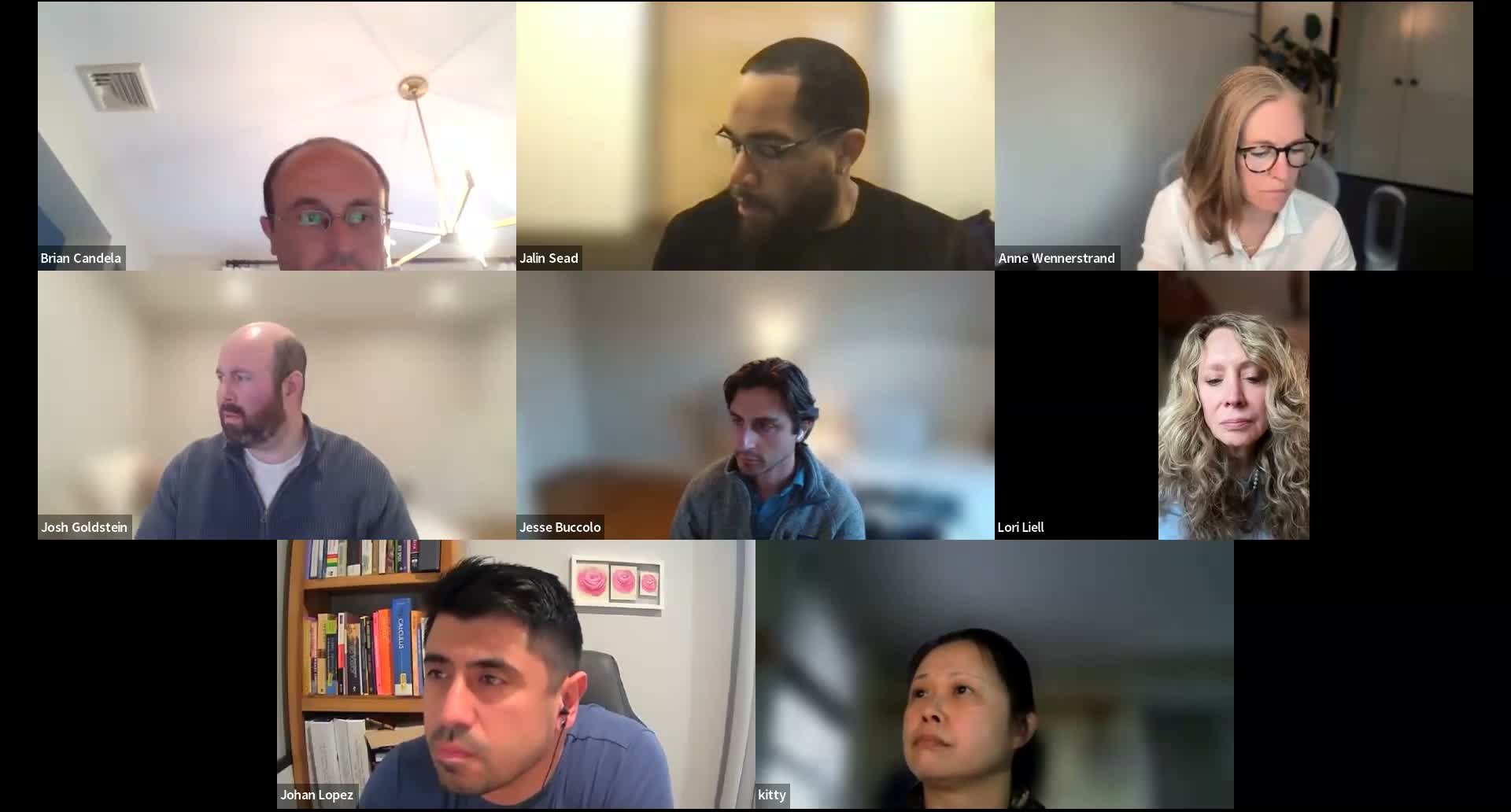
The Norwalk Ordinance Committee voted June 21 to send a draft fiscal‑impact ordinance to public hearing after an extended discussion about scope and implementation.
Brian Candela, the city attorney, told the committee that most department heads had no substantive objections but that the chief financial officer had endorsed the concept because it would help five‑year planning. Candela said the draft would require written assessments in many cases but allow departments to state when an ordinance has no fiscal impact.
Council members pressed staff on section 3(e), which says the council cannot vote on an ordinance unless certain requirements are satisfied, and on a separate clause that says errors or inaccuracies do not invalidate an ordinance. Council member (speaker 7) framed the concern as a tension between preventing substantive omissions and treating fiscal estimates as reasonable projections rather than guarantees. Candela and the chair responded that the intent is to distinguish substantive omissions from non‑substantive errors and that fiscal impact statements are best‑effort estimates.
Committee members also discussed whether the ordinance should prescribe a standard form. Some said the CFO should help define standard questions departments answer; others warned the ordinance should not hard‑code a form that the city would have to change administratively. Candela said administrative flexibility would allow the CFO to shape the implementation over time.
After further procedural discussion, the committee (on a motion moved by Council member Buckalow, per the chair) voted unanimously to send the draft fiscal‑impact ordinance to public hearing. The chair and staff said the public hearing will be scheduled so the council and committee can receive public comment and further refine implementation details.
The committee recorded no public comments on the matter during the meeting. The ordinance’s final language, required thresholds, and any standardized questions will be developed with input from the CFO before a final council vote.
Brian Candela, the city attorney, told the committee that most department heads had no substantive objections but that the chief financial officer had endorsed the concept because it would help five‑year planning. Candela said the draft would require written assessments in many cases but allow departments to state when an ordinance has no fiscal impact.
Council members pressed staff on section 3(e), which says the council cannot vote on an ordinance unless certain requirements are satisfied, and on a separate clause that says errors or inaccuracies do not invalidate an ordinance. Council member (speaker 7) framed the concern as a tension between preventing substantive omissions and treating fiscal estimates as reasonable projections rather than guarantees. Candela and the chair responded that the intent is to distinguish substantive omissions from non‑substantive errors and that fiscal impact statements are best‑effort estimates.
Committee members also discussed whether the ordinance should prescribe a standard form. Some said the CFO should help define standard questions departments answer; others warned the ordinance should not hard‑code a form that the city would have to change administratively. Candela said administrative flexibility would allow the CFO to shape the implementation over time.
After further procedural discussion, the committee (on a motion moved by Council member Buckalow, per the chair) voted unanimously to send the draft fiscal‑impact ordinance to public hearing. The chair and staff said the public hearing will be scheduled so the council and committee can receive public comment and further refine implementation details.
The committee recorded no public comments on the matter during the meeting. The ordinance’s final language, required thresholds, and any standardized questions will be developed with input from the CFO before a final council vote.
Don't Miss a Word: See the Full Meeting!
Go beyond summaries. Unlock every video, transcript, and key insight with a Founder Membership.
✓
Get instant access to full meeting videos
✓
Search and clip any phrase from complete transcripts
✓
Receive AI-powered summaries & custom alerts
✓
Enjoy lifetime, unrestricted access to government data
30-day money-back guarantee
