DMHC outlines menopause coverage mandate and PBM oversight; lawmakers, providers and industry offer feedback
April 20, 2026 | California State Assembly, House, Legislative, California
This article was created by AI summarizing key points discussed. AI makes mistakes, so for full details and context, please refer to the video of the full meeting. Please report any errors so we can fix them. Report an error »
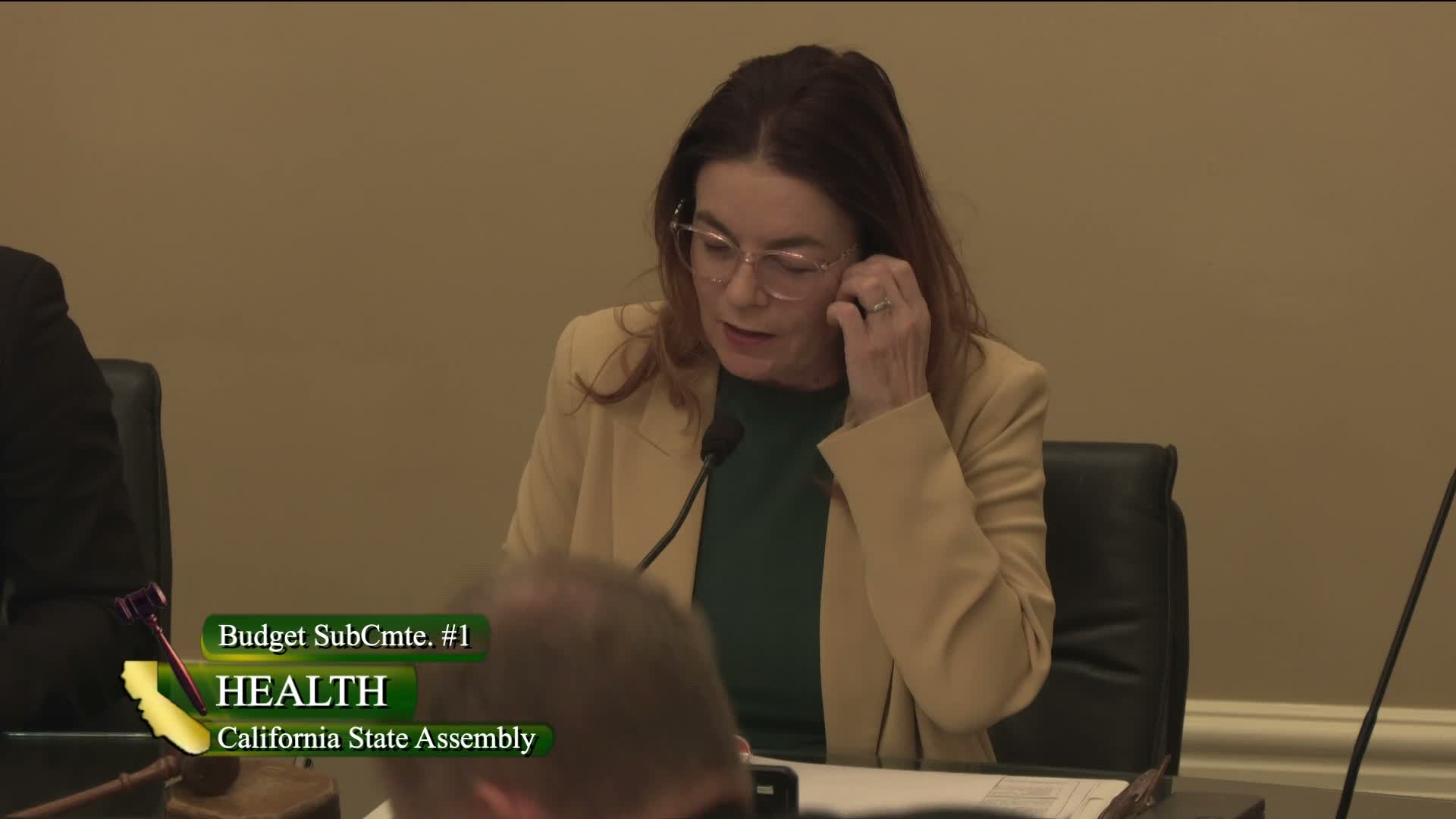
The Department of Managed Health Care described multiple proposals intended to expand consumer protections and oversight.
DMHC staff presented a menopause proposal that would require plans to cover FDA‑approved menopause treatments when medically necessary, provide annual menopause assessments for enrollees age 40 and older, biannual notices to enrollees and providers, and support provider education; the proposal includes $3 million for a state outreach campaign and staffing for implementation with a proposed effective date in 2027 for contract changes.
DMHC staff also outlined PBM licensing and enforcement under AB116 (licensure, quarterly financial statements, audit authority) and follow‑on reforms in SB41 that would restrict spread pricing, require manufacturer rebates to pass to plans and limit allowable administrative fees, along with compliance guidance and data collection duties for the department. The department described resource requests (positions and funding) to implement licensure reviews, financial oversight, legal enforcement and medical survey updates; timelines in testimony referenced licensure dates starting in 2027.
Members and stakeholders broadly supported improving menopause access and PBM oversight but raised implementation concerns. The California Medical Association and specialty societies requested attention to provider impacts and technical language; industry commenters (Bayer) supported coverage but urged language to allow access to new therapies; consumer advocates urged equity protections so Medi‑Cal enrollees are not treated differently. Patient and provider advocates urged DMHC to ensure adequate staffing and guidance for providers and pharmacies during rollout.
Public comment also included calls for continued funding of an existing health IT workforce program and reauthorization of $15 million for wraparound services for sickle cell patients; the subcommittee closed the hearing without votes.
DMHC staff presented a menopause proposal that would require plans to cover FDA‑approved menopause treatments when medically necessary, provide annual menopause assessments for enrollees age 40 and older, biannual notices to enrollees and providers, and support provider education; the proposal includes $3 million for a state outreach campaign and staffing for implementation with a proposed effective date in 2027 for contract changes.
DMHC staff also outlined PBM licensing and enforcement under AB116 (licensure, quarterly financial statements, audit authority) and follow‑on reforms in SB41 that would restrict spread pricing, require manufacturer rebates to pass to plans and limit allowable administrative fees, along with compliance guidance and data collection duties for the department. The department described resource requests (positions and funding) to implement licensure reviews, financial oversight, legal enforcement and medical survey updates; timelines in testimony referenced licensure dates starting in 2027.
Members and stakeholders broadly supported improving menopause access and PBM oversight but raised implementation concerns. The California Medical Association and specialty societies requested attention to provider impacts and technical language; industry commenters (Bayer) supported coverage but urged language to allow access to new therapies; consumer advocates urged equity protections so Medi‑Cal enrollees are not treated differently. Patient and provider advocates urged DMHC to ensure adequate staffing and guidance for providers and pharmacies during rollout.
Public comment also included calls for continued funding of an existing health IT workforce program and reauthorization of $15 million for wraparound services for sickle cell patients; the subcommittee closed the hearing without votes.
View the Full Meeting & All Its Details
This article offers just a summary. Unlock complete video, transcripts, and insights as a Founder Member.
✓
Watch full, unedited meeting videos
✓
Search every word spoken in unlimited transcripts
✓
AI summaries & real-time alerts (all government levels)
✓
Permanent access to expanding government content
30-day money-back guarantee
