Board hears FY27 health‑benefits pressure and wellness programs; staff recommend plan design changes to hold budget neutral
April 13, 2026 | SPOTSYLVANIA CO PBLC SCHS, School Districts, Virginia
This article was created by AI summarizing key points discussed. AI makes mistakes, so for full details and context, please refer to the video of the full meeting. Please report any errors so we can fix them. Report an error »
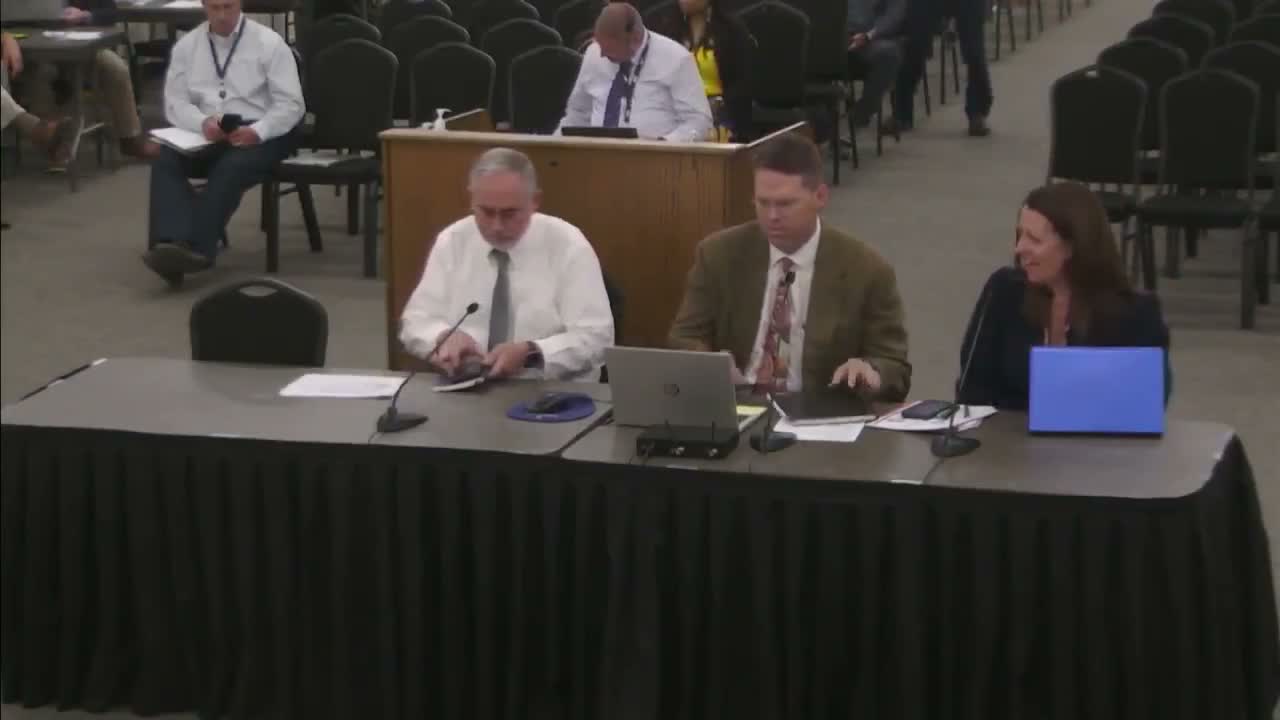
Benefits consultant Mark Browder and district staff briefed the board on FY27 health‑plan pressures and recommended plan design changes intended to keep the plan near budget neutrality. Staff said large specialty‑pharmacy claims and a rising number of high‑cost claimants created a multiyear deficit; the plan was in a negative position of several million dollars in recent years and required adjustments.
The recommended package (presented as the committee’s Option 2) includes modest employee contribution increases (about 3.5%), deductible and copay adjustments in the HealthKeeper plans and more substantial design changes in the KeyCare expanded plan to align out‑of‑pocket costs. Staff emphasized the district’s HSA contributions (robust employer contribution levels already in place) and said employees would have options to migrate among plans, including an HDHP/HSA that the district heavily subsidizes.
Board members pressed for provider‑network disruption metrics and stop‑loss renewal details; staff said provider disruption between the KeyCare and HealthKeepers networks was small (98–99% match for most employees) and that final stop‑loss renewal pricing would be available later in the summer.
Separately, staff reported early outcomes from two wellness programs (medical weight management and diabetes case management) and the Gaggle teletherapy pilot. The medical weight program has 100 participants (annual enrollment cap) and reported average six‑month changes of −5.3 pounds for reviewed participants; the diabetes care program reported average reductions in A1C among enrollees. The Gaggle teletherapy rollout—grant funded—had about 123 student enrollments and 44 staff self‑referrals in the first 60 days; staff said Gaggle provides an intake and triage process and a typical wait from referral to first session of about two weeks.
What’s next: The board will incorporate benefit decisions into the FY27 budget process and expects additional employee communication and education on plan options, provider networks and out‑of‑pocket implications.
The recommended package (presented as the committee’s Option 2) includes modest employee contribution increases (about 3.5%), deductible and copay adjustments in the HealthKeeper plans and more substantial design changes in the KeyCare expanded plan to align out‑of‑pocket costs. Staff emphasized the district’s HSA contributions (robust employer contribution levels already in place) and said employees would have options to migrate among plans, including an HDHP/HSA that the district heavily subsidizes.
Board members pressed for provider‑network disruption metrics and stop‑loss renewal details; staff said provider disruption between the KeyCare and HealthKeepers networks was small (98–99% match for most employees) and that final stop‑loss renewal pricing would be available later in the summer.
Separately, staff reported early outcomes from two wellness programs (medical weight management and diabetes case management) and the Gaggle teletherapy pilot. The medical weight program has 100 participants (annual enrollment cap) and reported average six‑month changes of −5.3 pounds for reviewed participants; the diabetes care program reported average reductions in A1C among enrollees. The Gaggle teletherapy rollout—grant funded—had about 123 student enrollments and 44 staff self‑referrals in the first 60 days; staff said Gaggle provides an intake and triage process and a typical wait from referral to first session of about two weeks.
What’s next: The board will incorporate benefit decisions into the FY27 budget process and expects additional employee communication and education on plan options, provider networks and out‑of‑pocket implications.
Don't Miss a Word: See the Full Meeting!
Go beyond summaries. Unlock every video, transcript, and key insight with a Founder Membership.
✓
Get instant access to full meeting videos
✓
Search and clip any phrase from complete transcripts
✓
Receive AI-powered summaries & custom alerts
✓
Enjoy lifetime, unrestricted access to government data
30-day money-back guarantee
