Strategas warns midterm politics and Iran conflict are reshaping market risks; data centers and AI add power demand stress
April 16, 2026 | Board Council Commission Agencies , Executive, Washington
This article was created by AI summarizing key points discussed. AI makes mistakes, so for full details and context, please refer to the video of the full meeting. Please report any errors so we can fix them. Report an error »
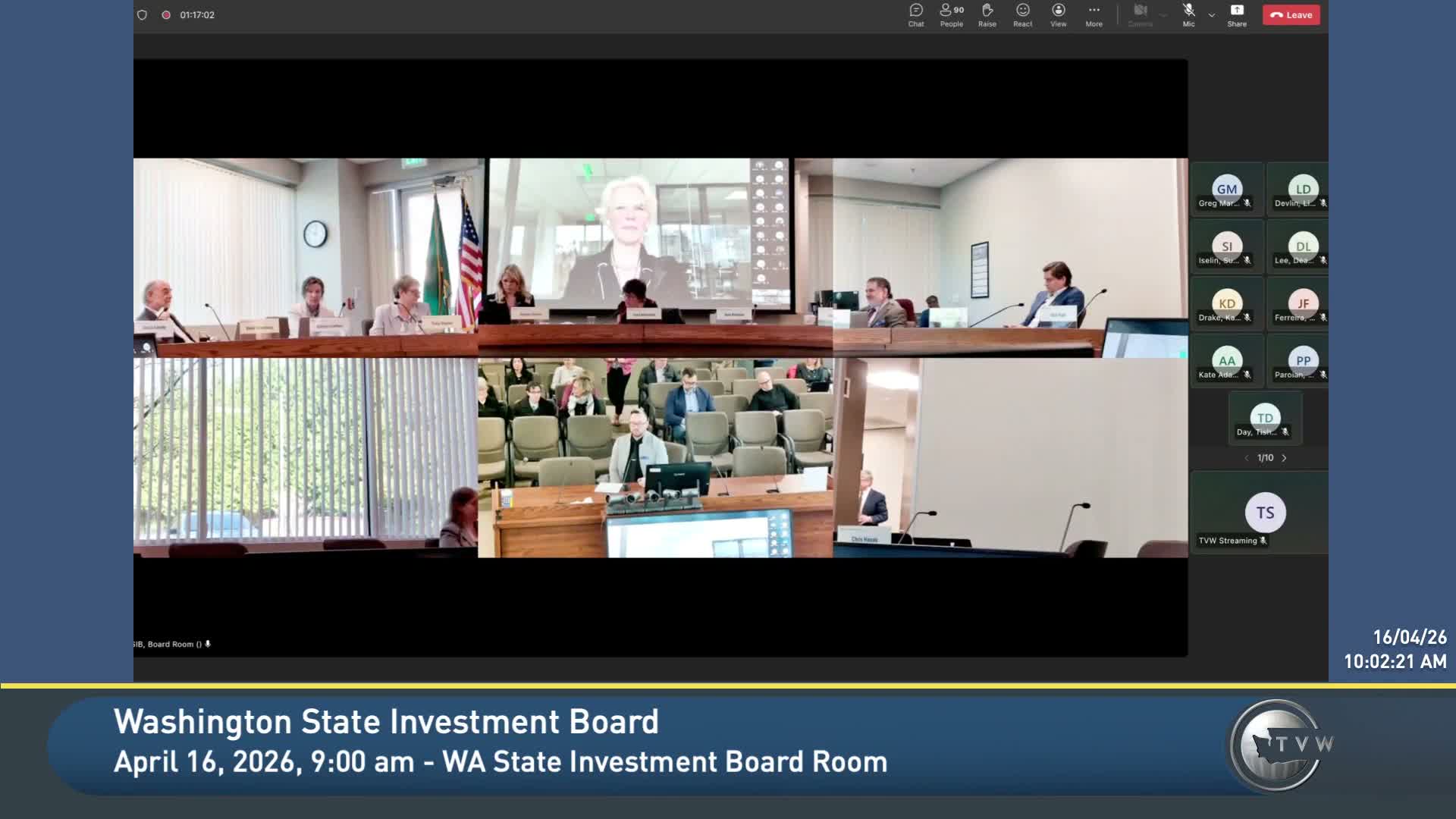
Dan Clifton, head of policy research at Strategas, gave trustees a wide-ranging briefing on macroeconomic, geopolitical and investment trends and their implications for institutional portfolios.
Clifton said the U.S. economy’s trend growth slowing from roughly 3% to 2% since 2008 has increased political turnover and uncertainty. "Economic volatility is creating political volatility, and now it's starting to create geopolitical volatility," he said, noting the midterm cycle historically produces elevated intra-year equity drawdowns but also strong 12‑month post‑midterm returns.
On the Iran conflict and the Gulf, Clifton said disruption to shipping and oil flows has caused large increases in energy prices and supply‑chain strains that hit consumers and producers alike. He estimated the blockade-related revenue loss to Iran at roughly half a billion dollars per day and warned of knock-on effects such as fertilizer shortages that could affect food security.
Clifton highlighted the rapid uptake of AI and the growth of data centers as an urgent local and global policy and infrastructure issue: "Data centers are the new fracking," he said, arguing that concentrated power demand can reshape local electricity markets and tax bases. He urged trustees to watch siting, permitting and community impacts as part of long‑term investment planning.
On fiscal outlook and markets, Clifton said recent shifts in deficit financing and T‑bill demand (including stablecoin rules and other buyer changes) have altered short‑term funding dynamics, and that defense spending needs tied to replenishing munitions will pressure budgets. He recommended tactical allocation and attention to inflation and rate paths as primary drivers of near‑term returns.
Board members asked questions on energy, debt, and the interplay of politics and markets; Clifton emphasized policy uncertainty but said investors can gain through agility and by focusing on structural changes in technology and energy demand.
The board thanked Clifton and moved to committee reports.
Clifton said the U.S. economy’s trend growth slowing from roughly 3% to 2% since 2008 has increased political turnover and uncertainty. "Economic volatility is creating political volatility, and now it's starting to create geopolitical volatility," he said, noting the midterm cycle historically produces elevated intra-year equity drawdowns but also strong 12‑month post‑midterm returns.
On the Iran conflict and the Gulf, Clifton said disruption to shipping and oil flows has caused large increases in energy prices and supply‑chain strains that hit consumers and producers alike. He estimated the blockade-related revenue loss to Iran at roughly half a billion dollars per day and warned of knock-on effects such as fertilizer shortages that could affect food security.
Clifton highlighted the rapid uptake of AI and the growth of data centers as an urgent local and global policy and infrastructure issue: "Data centers are the new fracking," he said, arguing that concentrated power demand can reshape local electricity markets and tax bases. He urged trustees to watch siting, permitting and community impacts as part of long‑term investment planning.
On fiscal outlook and markets, Clifton said recent shifts in deficit financing and T‑bill demand (including stablecoin rules and other buyer changes) have altered short‑term funding dynamics, and that defense spending needs tied to replenishing munitions will pressure budgets. He recommended tactical allocation and attention to inflation and rate paths as primary drivers of near‑term returns.
Board members asked questions on energy, debt, and the interplay of politics and markets; Clifton emphasized policy uncertainty but said investors can gain through agility and by focusing on structural changes in technology and energy demand.
The board thanked Clifton and moved to committee reports.
View the Full Meeting & All Its Details
This article offers just a summary. Unlock complete video, transcripts, and insights as a Founder Member.
✓
Watch full, unedited meeting videos
✓
Search every word spoken in unlimited transcripts
✓
AI summaries & real-time alerts (all government levels)
✓
Permanent access to expanding government content
30-day money-back guarantee
