Legal aid and counties warn work requirements in federal-compliance article risk coverage losses without clearer processes
April 15, 2026 | 2026 Legislature MN, Minnesota
This article was created by AI summarizing key points discussed. AI makes mistakes, so for full details and context, please refer to the video of the full meeting. Please report any errors so we can fix them. Report an error »
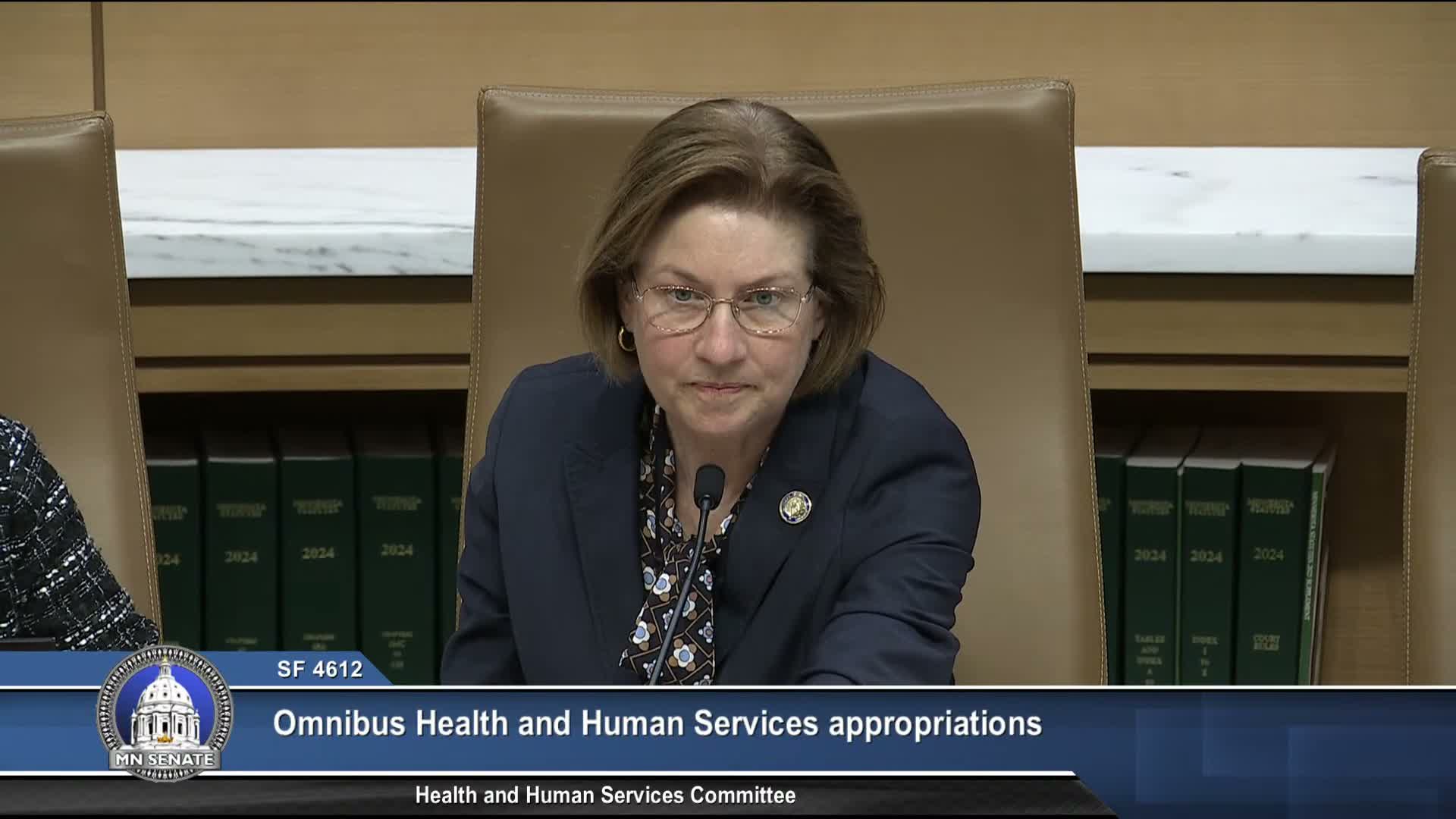
Advocates and county officials raised implementation and fairness concerns April 15 about work and community engagement requirements included in the committee’s federal-compliance article.
Andrew Knox of Legal Aid said the draft language lacks clear processes for asserting exemptions and does not include due-process protections for enrollees who lose coverage for noncompliance. "The bill doesn't mention how to assert your exemptions, nor does it mention anything about self-attestation," Knox said, urging a streamlined process, clearer 'medically frail' definitions consistent with other federal programs, and funding for DHS, counties, tribes and navigators who will implement the new requirements.
County commissioners representing the Association of Minnesota Counties likewise said counties need funding, technology and vendor support to implement federal Medicaid changes and to avoid increased uncompensated care and higher local property-tax burdens. County representatives praised use of USPS national change-of-address data to keep contact information current but said further investments are critical.
Legal Aid also urged striking a provision that denies MinnesotaCare eligibility for people who are noncompliant; Knox said the policy could prematurely close a safety net option. Committee staff and members acknowledged the implementation questions and signaled further discussions and amendments at markup.
Andrew Knox of Legal Aid said the draft language lacks clear processes for asserting exemptions and does not include due-process protections for enrollees who lose coverage for noncompliance. "The bill doesn't mention how to assert your exemptions, nor does it mention anything about self-attestation," Knox said, urging a streamlined process, clearer 'medically frail' definitions consistent with other federal programs, and funding for DHS, counties, tribes and navigators who will implement the new requirements.
County commissioners representing the Association of Minnesota Counties likewise said counties need funding, technology and vendor support to implement federal Medicaid changes and to avoid increased uncompensated care and higher local property-tax burdens. County representatives praised use of USPS national change-of-address data to keep contact information current but said further investments are critical.
Legal Aid also urged striking a provision that denies MinnesotaCare eligibility for people who are noncompliant; Knox said the policy could prematurely close a safety net option. Committee staff and members acknowledged the implementation questions and signaled further discussions and amendments at markup.
Don't Miss a Word: See the Full Meeting!
Go beyond summaries. Unlock every video, transcript, and key insight with a Founder Membership.
✓
Get instant access to full meeting videos
✓
Search and clip any phrase from complete transcripts
✓
Receive AI-powered summaries & custom alerts
✓
Enjoy lifetime, unrestricted access to government data
30-day money-back guarantee
