Journalists urge repeal of remote‑access ban as Senate Judiciary considers electronic criminal records
April 17, 2026 | Judiciary, SENATE, Committees, Legislative , Vermont
This article was created by AI summarizing key points discussed. AI makes mistakes, so for full details and context, please refer to the video of the full meeting. Please report any errors so we can fix them. Report an error »
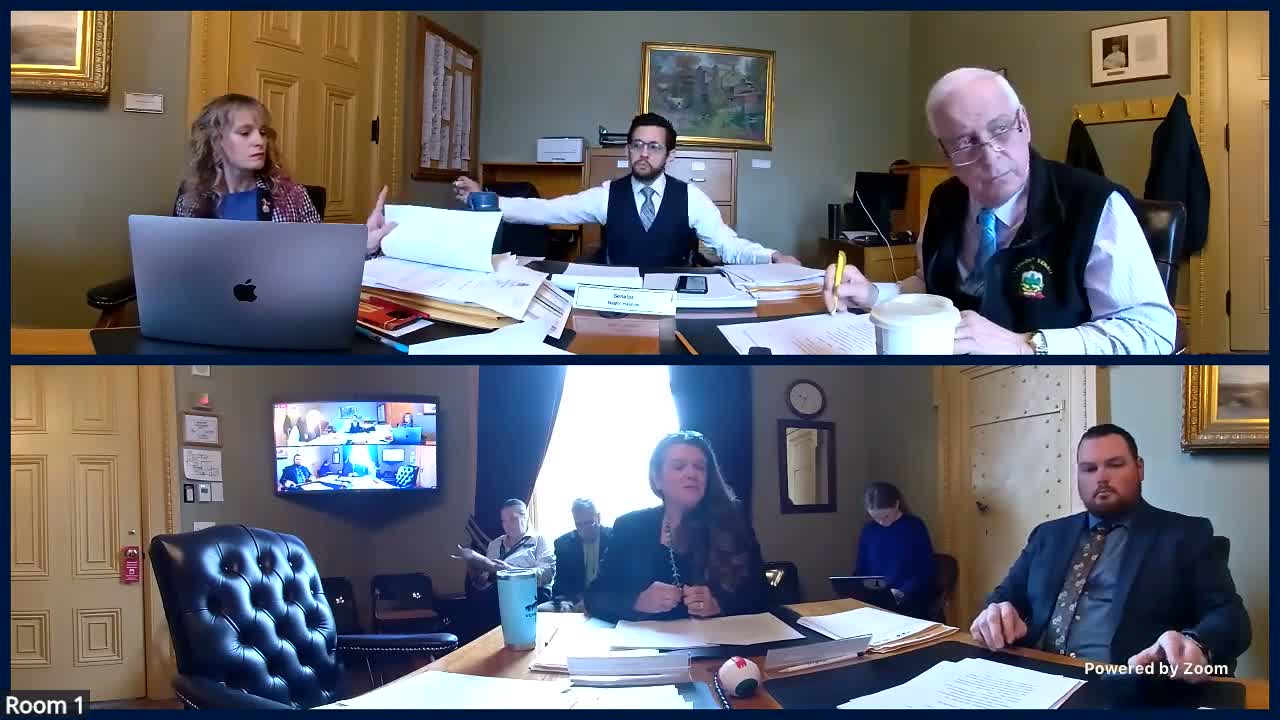
Legislative counsel and a coalition of journalists told the Senate Judiciary on April 17 that H937 would remove Vermont’s statutory prohibition on remote electronic dissemination of criminal case records and direct the courts to create procedures for Internet access.
"They eliminated the prohibition on, electronic dissemination of criminal case records," Michelle, the House Office of Legislative Council, said while describing Section 4 of the bill. She told the committee the change reflects technological shifts since the statute’s original adoption and that court rules will set procedures for what material is available and how the public accesses it.
Kristen Fountain, coordinator of the Vermont Journalism Coalition, testified in support of removing the ban, saying remote access matters to small newsrooms and to public scrutiny of the courts. "My name is Kristen Fountain. I'm, the coordinator of the Vermont Journalism Coalition," she said, and argued that forcing reporters to travel to county courthouses to view records imposes practical barriers on timely coverage.
Fountain pointed to national academic work and First Amendment clinics that concluded the prohibition is out of step with modern practice and raises constitutional questions as technology advanced. She told the committee that digital access speeds reporting and helps combat misinformation, because journalists can check filings and records quickly rather than relying on hearsay.
Committee members sought details about how the courts would implement remote access, including whether users would pay fees for copies, how confidential material would be protected, and what materials would remain restricted. Counsel said those procedural details will be resolved in court rules and acknowledged that the court’s access rules will define the scope of publicly available material.
The committee did not vote on the change; counsel and stakeholders were asked to refine implementation language and coordinate with court administrators so the procedure and any fee structure can be clear before the committee takes final action.
"They eliminated the prohibition on, electronic dissemination of criminal case records," Michelle, the House Office of Legislative Council, said while describing Section 4 of the bill. She told the committee the change reflects technological shifts since the statute’s original adoption and that court rules will set procedures for what material is available and how the public accesses it.
Kristen Fountain, coordinator of the Vermont Journalism Coalition, testified in support of removing the ban, saying remote access matters to small newsrooms and to public scrutiny of the courts. "My name is Kristen Fountain. I'm, the coordinator of the Vermont Journalism Coalition," she said, and argued that forcing reporters to travel to county courthouses to view records imposes practical barriers on timely coverage.
Fountain pointed to national academic work and First Amendment clinics that concluded the prohibition is out of step with modern practice and raises constitutional questions as technology advanced. She told the committee that digital access speeds reporting and helps combat misinformation, because journalists can check filings and records quickly rather than relying on hearsay.
Committee members sought details about how the courts would implement remote access, including whether users would pay fees for copies, how confidential material would be protected, and what materials would remain restricted. Counsel said those procedural details will be resolved in court rules and acknowledged that the court’s access rules will define the scope of publicly available material.
The committee did not vote on the change; counsel and stakeholders were asked to refine implementation language and coordinate with court administrators so the procedure and any fee structure can be clear before the committee takes final action.
View the Full Meeting & All Its Details
This article offers just a summary. Unlock complete video, transcripts, and insights as a Founder Member.
✓
Watch full, unedited meeting videos
✓
Search every word spoken in unlimited transcripts
✓
AI summaries & real-time alerts (all government levels)
✓
Permanent access to expanding government content
30-day money-back guarantee
