Ithaca charter commission outlines process, legal requirements and Aug. 3 filing deadline
April 17, 2026 | Ithaca City, Tompkins County, New York
This article was created by AI summarizing key points discussed. AI makes mistakes, so for full details and context, please refer to the video of the full meeting. Please report any errors so we can fix them. Report an error »
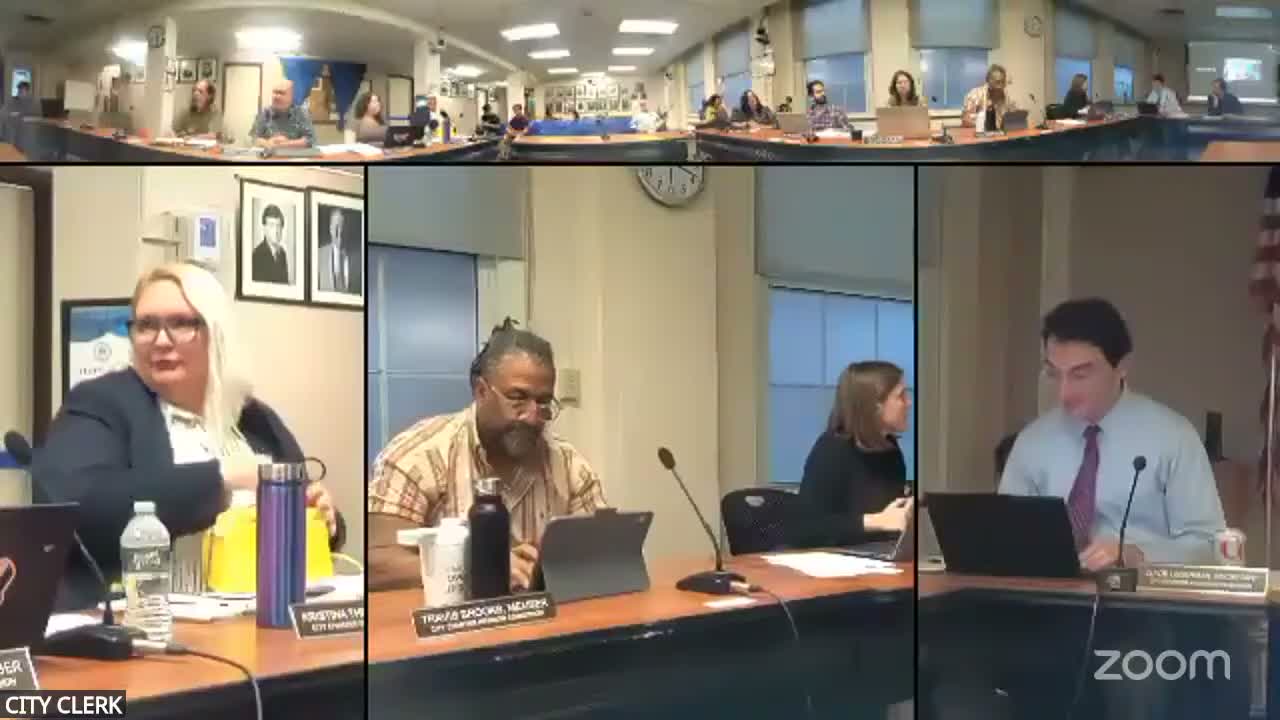
The Ithaca Charter Revision Commission spent the meeting reviewing legal constraints and deadlines for preparing a revised city charter, with Acting City Attorney Catherine Muskin telling commissioners their output must conform to New York State Municipal Home Rule Law and be filed with the city clerk in time for the 2026 general election.
"The legal authority for a charter revision comes from New York State Municipal Home Rule Law. Section 36 outlines various ways to revise an existing city charter," Muskin said, and walked the group through required deliverables: draft charter language, a public report explaining proposed and unchanged sections, a fiscal-impact statement and a public engagement record.
Why it matters: the commission's decisions will shape who has policy authority, how department heads are appointed or disciplined and how local elections are run. Muskin said the commission must both recommend changes and explain why other provisions remain unchanged.
Muskin told the commission that statutory timing is strict: the charter or amendments must be filed with the city clerk "not later than the second general election after the charter commission is created and organized," which in practice produced an August 3 filing target for the 2026 election cycle.
Commissioners asked procedural questions about ballot design and the number of questions that can go to voters. Commissioner Clyde said there are three practical approaches: proposing specific amendments (which can be unwieldy if numerous), proposing a wholly new charter, or bundling changes into a single amendment, with the latter two options functionally similar.
Commissioners also clarified the commission's independence. Chair Noseworthy and Muskin both confirmed the commission does not need council approval before submitting materials to the city clerk, though the group may choose to present its work to council for transparency.
The meeting closed with scheduling decisions for May and June: the commission will prioritize voting on items at the second-Thursday meeting of each month and collect testimony at the third-Thursday meeting. The commission adopted an initial internal workflow for drafting, review and public engagement ahead of the July legal review and the August filing deadline.
The commission adjourned after an unsuccessful effort later in the night to further extend the meeting.
"The legal authority for a charter revision comes from New York State Municipal Home Rule Law. Section 36 outlines various ways to revise an existing city charter," Muskin said, and walked the group through required deliverables: draft charter language, a public report explaining proposed and unchanged sections, a fiscal-impact statement and a public engagement record.
Why it matters: the commission's decisions will shape who has policy authority, how department heads are appointed or disciplined and how local elections are run. Muskin said the commission must both recommend changes and explain why other provisions remain unchanged.
Muskin told the commission that statutory timing is strict: the charter or amendments must be filed with the city clerk "not later than the second general election after the charter commission is created and organized," which in practice produced an August 3 filing target for the 2026 election cycle.
Commissioners asked procedural questions about ballot design and the number of questions that can go to voters. Commissioner Clyde said there are three practical approaches: proposing specific amendments (which can be unwieldy if numerous), proposing a wholly new charter, or bundling changes into a single amendment, with the latter two options functionally similar.
Commissioners also clarified the commission's independence. Chair Noseworthy and Muskin both confirmed the commission does not need council approval before submitting materials to the city clerk, though the group may choose to present its work to council for transparency.
The meeting closed with scheduling decisions for May and June: the commission will prioritize voting on items at the second-Thursday meeting of each month and collect testimony at the third-Thursday meeting. The commission adopted an initial internal workflow for drafting, review and public engagement ahead of the July legal review and the August filing deadline.
The commission adjourned after an unsuccessful effort later in the night to further extend the meeting.
View the Full Meeting & All Its Details
This article offers just a summary. Unlock complete video, transcripts, and insights as a Founder Member.
✓
Watch full, unedited meeting videos
✓
Search every word spoken in unlimited transcripts
✓
AI summaries & real-time alerts (all government levels)
✓
Permanent access to expanding government content
30-day money-back guarantee
