Witnesses urge federal guardrails as AI surveillance spreads in workplaces
April 16, 2026 | House Committee on Education and Workforce Democrats, Education and Workforce: House Committee, Standing Committees - House & Senate, Congressional Hearings Compilation, Legislative, Federal
This article was created by AI summarizing key points discussed. AI makes mistakes, so for full details and context, please refer to the video of the full meeting. Please report any errors so we can fix them. Report an error »
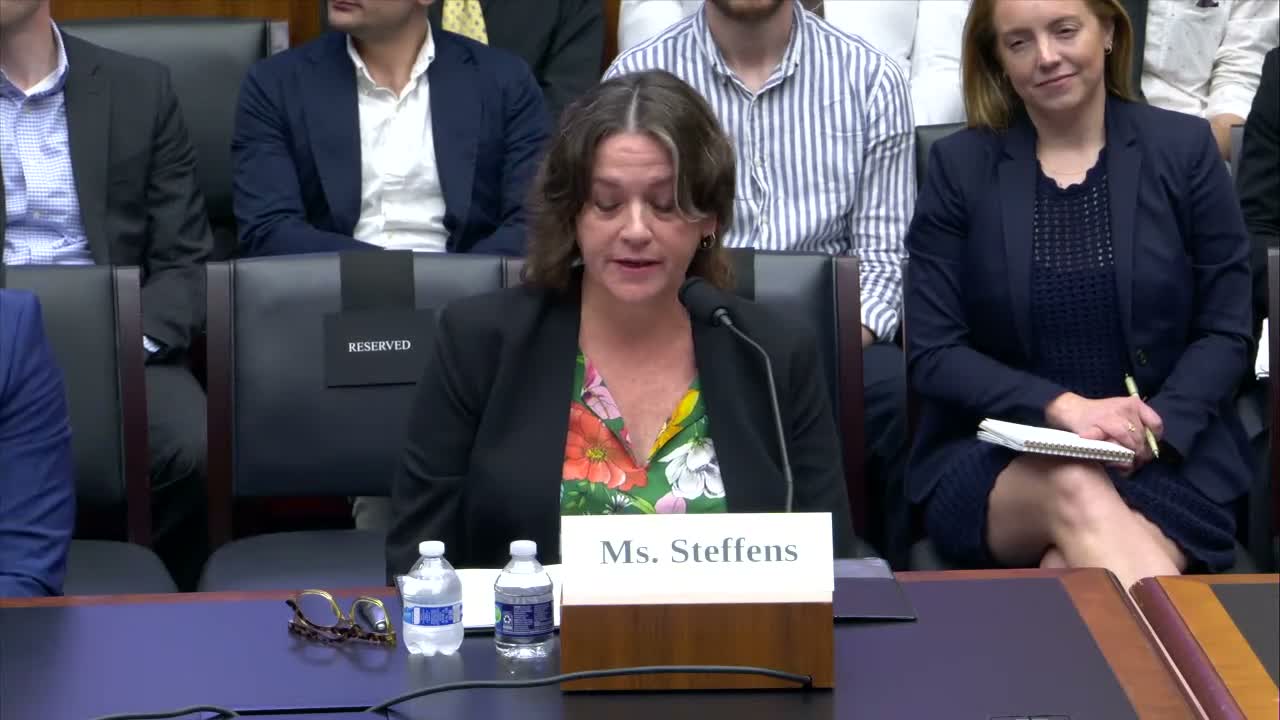
Stevens said employers already use tracking tools ‘‘from tracking their bathroom breaks to checking the tone of their voice,’’ and argued AI amplifies those invasive practices. She warned such systems can enable retaliation against workers who seek to organize and recommended stricter worker privacy protections, limits on what data employers may collect and share, and more funds for enforcement agencies such as the Department of Labor and the National Labor Relations Board.
Ranking Member Omar backed those concerns, arguing ‘‘we cannot rely on big corporations and executives to properly regulate the use of AI tools alone’’ and called for guardrails that center workers. Witnesses and members discussed existing protections under the National Labor Relations Act and other statutes, but noted penalties can be insufficient and enforcement backlogs limit remedies.
Stevens cited employer surveillance use cases and called for transparency measures so workers can know what is collected and how it is used. The subcommittee did not adopt any rules at the hearing; members said they would pursue follow-up questions and could introduce legislation or fund enforcement changes in future work.
The hearing record remains open for 14 days for additional written material.
Don't Miss a Word: See the Full Meeting!
Go beyond summaries. Unlock every video, transcript, and key insight with a Founder Membership.
30-day money-back guarantee
