Assistant secretary says EBSA will prioritize fiduciary process, curb litigation and expand plan options
April 17, 2026 | House Committee on Education and Workforce Democrats, Education and Workforce: House Committee, Standing Committees - House & Senate, Congressional Hearings Compilation, Legislative, Federal
This article was created by AI summarizing key points discussed. AI makes mistakes, so for full details and context, please refer to the video of the full meeting. Please report any errors so we can fix them. Report an error »
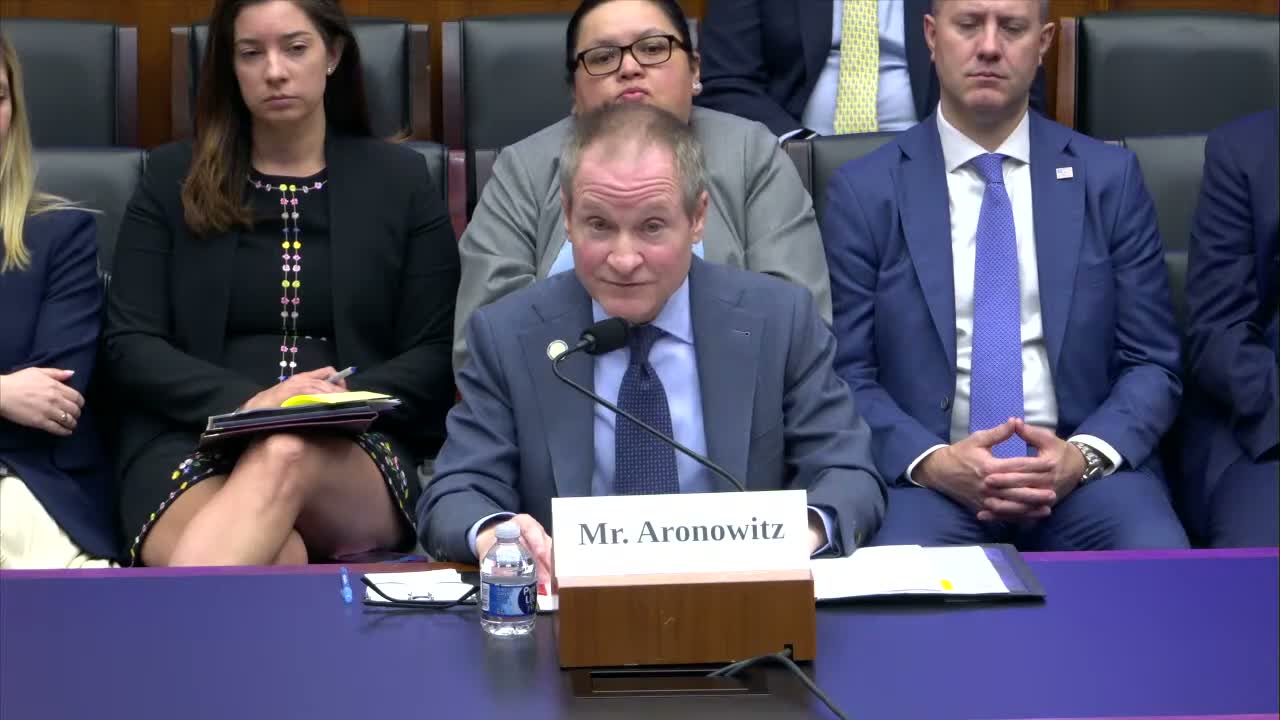
Aronovich told lawmakers that EBSA's priorities are providing regulatory clarity for plan fiduciaries, ensuring enforcement that is fair and timely, and addressing what the agency views as litigation abuse that discourages innovation. "We published a notice of proposed rule making on investment selection that will assist plan fiduciaries who follow a prudent process," he said, adding that the rule provides examples and a process intended to give fiduciaries confidence and a "presumption of prudence."
The proposed investment-selection rule, Aronovich said, is intended to give plan sponsors a process-based roadmap so they can offer broader options, including lifetime-income solutions and alternative assets, where appropriate. "We don't pick winners and losers. We don't decide what is in plans," he said. "But we wanted to give them confidence that if they add lifetime income or other solutions ... they will have the confidence that they have the discretion and flexibility to act in the best interest of participants."
On litigation, Aronovich told the committee EBSA has filed amicus briefs in cases where it believes courts should reaffirm ERISA as a "law of process," not an outcomes-based statute. He said the goal is to ensure only plausible claims proceed and to reduce costly litigation that he argued drives plan sponsors to avoid innovation. "When they follow an objective, thorough and analytical process, they should have deference and be presumed innocent," he said.
Members repeatedly pressed Aronovich about limits on EBSA's enforcement powers and the agency's resource levels. In response, he described four guiding enforcement principles intended to focus investigations on the most significant harms, ensure fairness and consistent nationwide oversight, and make investigations timely and responsive. He also said EBSA is reallocating investigative resources toward health-care claim denials and service providers that affect many plans rather than expending disproportionate time on some single-issue investigations.
Several members raised concerns about conflicts of interest and the agency's posture toward plan sponsors, citing amicus briefs in cases involving major corporations. Aronovich rejected characterizations that EBSA is taking sides, saying the agency is "pro-ERISA" and is following the statute wherever it leads. He also told lawmakers EBSA is producing guidance on ESOP valuation and will review pending ESOP cases without "second-guessing" fiduciaries that have followed a prudent process.
The subcommittee recessed for a House vote and reconvened to continue questioning on PBM transparency, fiduciary duties and other topics. The hearing ended with the committee entering several industry statements into the record and adjourning without formal committee action.
Aronovich's full written testimony and the committee's hearing record were left open for 14 days for additional submissions, per the chairman's instructions.
Don't Miss a Word: See the Full Meeting!
Go beyond summaries. Unlock every video, transcript, and key insight with a Founder Membership.
30-day money-back guarantee
