Committee debates S.213 smart‑meter rules, opt‑out costs and cybersecurity oversight
April 17, 2026 | Environment & Energy, HOUSE OF REPRESENTATIVES, Committees, Legislative , Vermont
This article was created by AI summarizing key points discussed. AI makes mistakes, so for full details and context, please refer to the video of the full meeting. Please report any errors so we can fix them. Report an error »
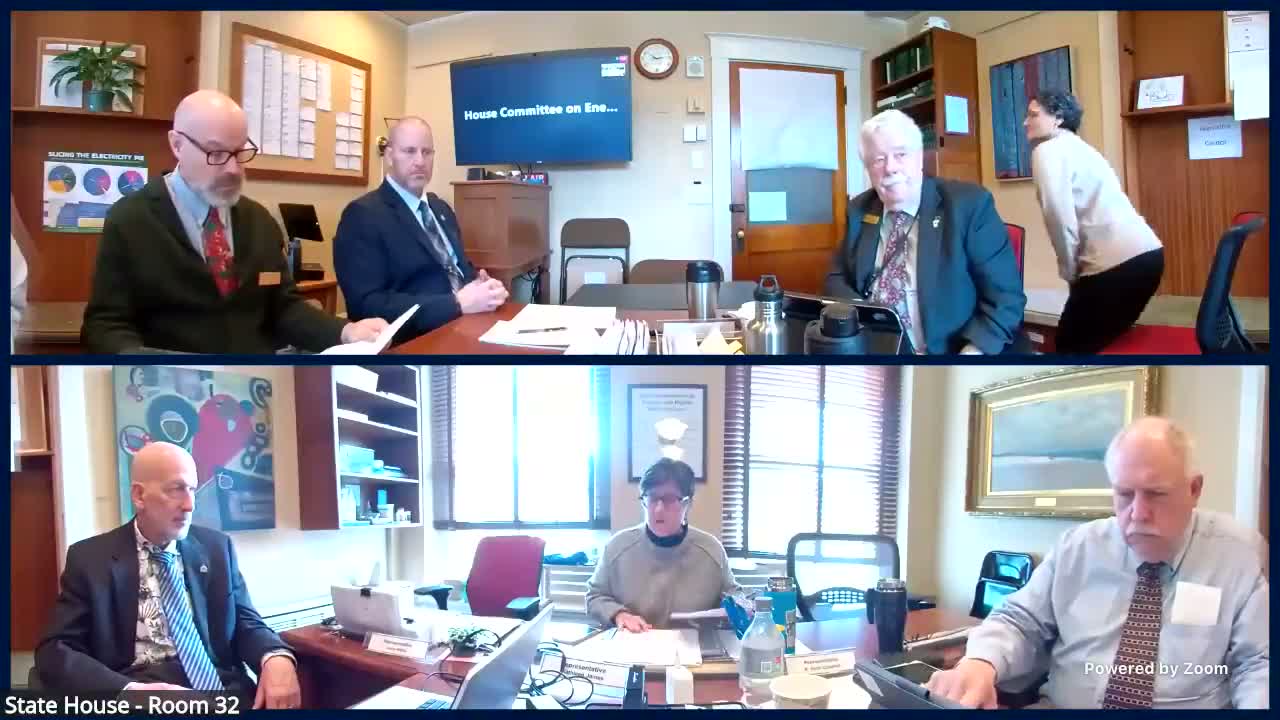
Rep. Kathleen James, chair of the House Energy and Digital Infrastructure Committee, opened a section‑by‑section review of S.213, describing the bill as a baseline for how utilities may install and charge for advanced metering infrastructure devices.
The committee focused first on definitions, with members flagging whether the statutory AMI definition requires two‑way communications. A committee member noted many water systems use one‑way meters and asked whether the bill would unintentionally regulate those systems; others said the bill should either clarify that point or leave two‑way language in and accept that some water utilities will not be affected until technology evolves. The committee asked Ellen (legislative counsel) to review and mark up the definition language.
The conversation then turned to cybersecurity language that would apply beyond individual meters to public water systems more broadly. Some members said cybersecurity protocols already exist within agencies; others argued the bill should keep a reporting requirement and involve the Cybersecurity Advisory Council. Committee members requested the council’s January 2026 annual report be added to the record and proposed inviting the council to present and advise whether legislative appointees should be added to the council.
On the water‑systems provisions, the bill would permit public water systems to install new meters with prior written notice, inform users of their rights, and allow users to opt out. The key dispute among members was who should bear the cost of removal and manual reading: several members, including Chair James, said a homeowner who requests removal should pay the one‑time removal and incremental reading costs. Other members argued that socializing some costs across a system can be justified by system‑wide efficiency and fairness.
Committee members noted most community water systems are small, are not PUC‑regulated, and only a small share of customers are likely to opt out. Members asked staff to locate written testimony from the Vermont Rural Water Association and to clarify oversight avenues (water commission, selectboard) for complaints about opt‑out charges.
When the committee moved to the electric portion, members agreed it would be essential to hear technical testimony from Green Mountain Power and Washington Electric Co‑op about how their electric AMI meters operate (radio mesh, power‑line carrier, rebroadcasters), collector placement, net‑metering implications and whether any customer charges should follow PUC rate‑setting processes. The committee also noted the Office of the Consumer Advocate had filed testimony on water and asked staff to confirm whether the consumer advocate addressed the electric side.
Next steps: members voted informally to keep the cybersecurity language pending counsel’s definitions review, to ask staff to schedule GMP and WEC for a half‑hour of technical testimony next week, and to invite the Cybersecurity Advisory Council to present its annual report and comment on H.560/H.590 legislative appointees.
The committee focused first on definitions, with members flagging whether the statutory AMI definition requires two‑way communications. A committee member noted many water systems use one‑way meters and asked whether the bill would unintentionally regulate those systems; others said the bill should either clarify that point or leave two‑way language in and accept that some water utilities will not be affected until technology evolves. The committee asked Ellen (legislative counsel) to review and mark up the definition language.
The conversation then turned to cybersecurity language that would apply beyond individual meters to public water systems more broadly. Some members said cybersecurity protocols already exist within agencies; others argued the bill should keep a reporting requirement and involve the Cybersecurity Advisory Council. Committee members requested the council’s January 2026 annual report be added to the record and proposed inviting the council to present and advise whether legislative appointees should be added to the council.
On the water‑systems provisions, the bill would permit public water systems to install new meters with prior written notice, inform users of their rights, and allow users to opt out. The key dispute among members was who should bear the cost of removal and manual reading: several members, including Chair James, said a homeowner who requests removal should pay the one‑time removal and incremental reading costs. Other members argued that socializing some costs across a system can be justified by system‑wide efficiency and fairness.
Committee members noted most community water systems are small, are not PUC‑regulated, and only a small share of customers are likely to opt out. Members asked staff to locate written testimony from the Vermont Rural Water Association and to clarify oversight avenues (water commission, selectboard) for complaints about opt‑out charges.
When the committee moved to the electric portion, members agreed it would be essential to hear technical testimony from Green Mountain Power and Washington Electric Co‑op about how their electric AMI meters operate (radio mesh, power‑line carrier, rebroadcasters), collector placement, net‑metering implications and whether any customer charges should follow PUC rate‑setting processes. The committee also noted the Office of the Consumer Advocate had filed testimony on water and asked staff to confirm whether the consumer advocate addressed the electric side.
Next steps: members voted informally to keep the cybersecurity language pending counsel’s definitions review, to ask staff to schedule GMP and WEC for a half‑hour of technical testimony next week, and to invite the Cybersecurity Advisory Council to present its annual report and comment on H.560/H.590 legislative appointees.
View the Full Meeting & All Its Details
This article offers just a summary. Unlock complete video, transcripts, and insights as a Founder Member.
✓
Watch full, unedited meeting videos
✓
Search every word spoken in unlimited transcripts
✓
AI summaries & real-time alerts (all government levels)
✓
Permanent access to expanding government content
30-day money-back guarantee
