Riverside board directs staff to draft food‑truck and outdoor‑dining code changes, discusses deck coverage
April 17, 2026 | Riverside, Cook County, Illinois
This article was created by AI summarizing key points discussed. AI makes mistakes, so for full details and context, please refer to the video of the full meeting. Please report any errors so we can fix them. Report an error »
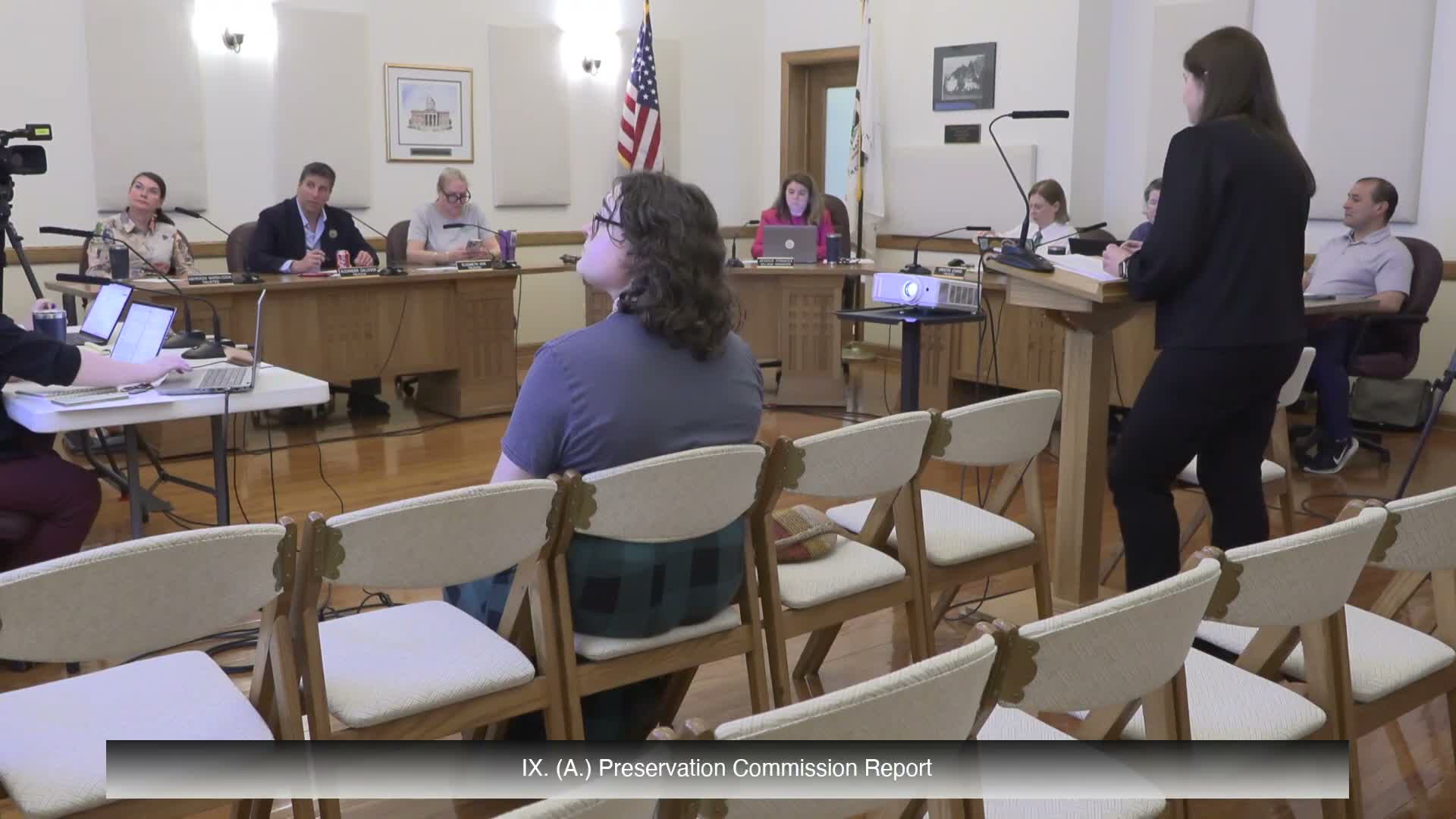
The Village of Riverside on April 16 directed staff to draft a coordinated package of zoning and municipal‑code amendments that would establish standards for licensed food trucks and outdoor dining and would amend building‑coverage rules to exclude typical decks.
Planning and preservation staff summarized prior board direction and the Planning & Zoning Commission’s review. Planner/Director Siren told the board the P&Z majority opposed allowing daily food‑truck operations in the Central Business District (CBD) even with a special‑use permit, and staff recommended a layered approach: allow mobile food units in B‑1 as a permitted use (subject to other requirements), permit food trucks in the CBD only as a special use, and amend the village code to clarify whether stationary non‑motorized vendors (bicycle units) and stationary mobile units may sell frozen desserts such as ice cream.
Trustees discussed operating hours, a 100‑foot separation from brick‑and‑mortar restaurants, parking and appeals. The board generally accepted 7 a.m. to 9 p.m. as a standard for licensed food trucks while asking staff to draft language for an appeal or waiver process so unusual business models (for example, an early‑morning coffee service) could seek exceptions. On the 100‑foot separation requirement, trustees were split: some favored allowing a property owner to waive the separation on their own site, while others argued that the village should preserve a process that protects tenant expectations; Attorney Pickrell was asked to research legal options and draft objective waiver criteria so the board—not private parties—retains regulatory authority.
On outdoor dining, staff recommended a 42‑inch maximum barrier height as a baseline and a 24‑inch maximum planter height, with a 30% minimum visual transparency metric used in other communities. Trustees supported a waiver path for specific situations (high‑traffic corners, adjacent railroad tracks) and asked staff to craft practical language so enforcement would not require technical meters or disproportionate staff time. The board also discussed how to treat existing nonconforming outdoor dining features and gave direction to consider a phased compliance period and potential façade/downtown grant funding in the 2027 budget to help operators meet new standards.
Planner Siren also presented a separate but related recommendation to amend the zoning definition of building coverage so decks and the stairs that serve them would not count toward building‑coverage calculations (decks currently count if they exceed 12 inches). The change aims to reduce the number of variance requests that private homeowners must file to add typical decks; trustees asked planning staff to explore setback and impervious‑surface safeguards and to schedule a public hearing.
Next steps: staff will draft the zoning and code amendments, incorporate Planning & Zoning and EDC feedback, and publish legal notices for public hearings. No final ordinance votes were taken at the April 16 meeting.
Planning and preservation staff summarized prior board direction and the Planning & Zoning Commission’s review. Planner/Director Siren told the board the P&Z majority opposed allowing daily food‑truck operations in the Central Business District (CBD) even with a special‑use permit, and staff recommended a layered approach: allow mobile food units in B‑1 as a permitted use (subject to other requirements), permit food trucks in the CBD only as a special use, and amend the village code to clarify whether stationary non‑motorized vendors (bicycle units) and stationary mobile units may sell frozen desserts such as ice cream.
Trustees discussed operating hours, a 100‑foot separation from brick‑and‑mortar restaurants, parking and appeals. The board generally accepted 7 a.m. to 9 p.m. as a standard for licensed food trucks while asking staff to draft language for an appeal or waiver process so unusual business models (for example, an early‑morning coffee service) could seek exceptions. On the 100‑foot separation requirement, trustees were split: some favored allowing a property owner to waive the separation on their own site, while others argued that the village should preserve a process that protects tenant expectations; Attorney Pickrell was asked to research legal options and draft objective waiver criteria so the board—not private parties—retains regulatory authority.
On outdoor dining, staff recommended a 42‑inch maximum barrier height as a baseline and a 24‑inch maximum planter height, with a 30% minimum visual transparency metric used in other communities. Trustees supported a waiver path for specific situations (high‑traffic corners, adjacent railroad tracks) and asked staff to craft practical language so enforcement would not require technical meters or disproportionate staff time. The board also discussed how to treat existing nonconforming outdoor dining features and gave direction to consider a phased compliance period and potential façade/downtown grant funding in the 2027 budget to help operators meet new standards.
Planner Siren also presented a separate but related recommendation to amend the zoning definition of building coverage so decks and the stairs that serve them would not count toward building‑coverage calculations (decks currently count if they exceed 12 inches). The change aims to reduce the number of variance requests that private homeowners must file to add typical decks; trustees asked planning staff to explore setback and impervious‑surface safeguards and to schedule a public hearing.
Next steps: staff will draft the zoning and code amendments, incorporate Planning & Zoning and EDC feedback, and publish legal notices for public hearings. No final ordinance votes were taken at the April 16 meeting.
Don't Miss a Word: See the Full Meeting!
Go beyond summaries. Unlock every video, transcript, and key insight with a Founder Membership.
✓
Get instant access to full meeting videos
✓
Search and clip any phrase from complete transcripts
✓
Receive AI-powered summaries & custom alerts
✓
Enjoy lifetime, unrestricted access to government data
30-day money-back guarantee
