Committee advances bill to criminalize exploitative political fundraising aimed at seniors; enforcement questions linger
April 14, 2026 | 2026 Legislature LA, Louisiana
This article was created by AI summarizing key points discussed. AI makes mistakes, so for full details and context, please refer to the video of the full meeting. Please report any errors so we can fix them. Report an error »
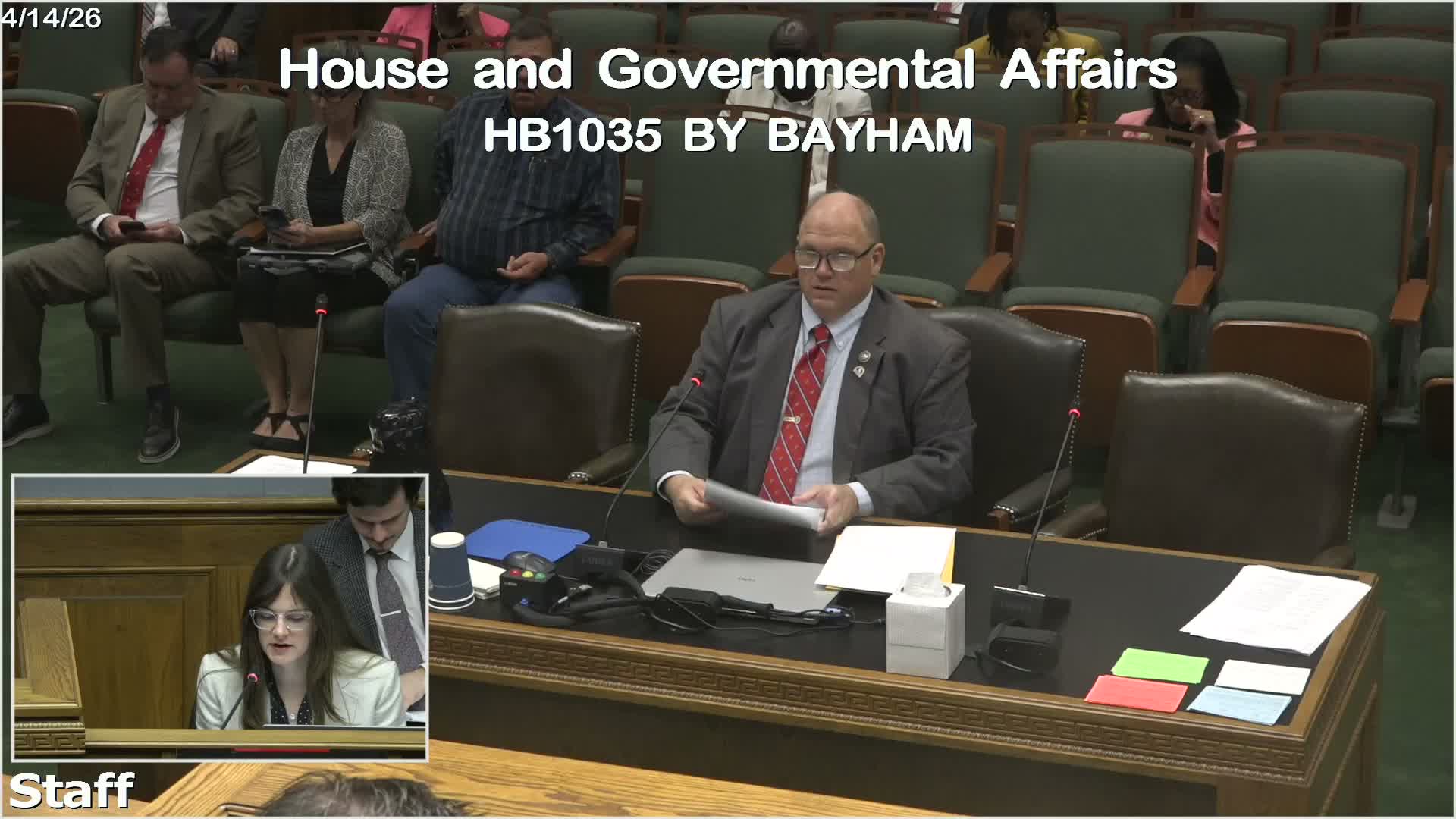
Representative Baham told the committee HB1035 is intended to curb predatory political fundraising that disproportionately targets older adults, creating penalties for deceptive or coercive solicitation tactics.
The sponsor described calls that lead to recurring bank withdrawals and said the measure would target tactics based on deception, intimidation or fraud rather than simple volume of calls. "This is the new, exploitive move being done on a lot of our elderly people by these professional fundraisers," Representative Baham said.
During the extended discussion, members and witnesses debated enforceability. Lawmakers asked whether the bill duplicates existing fraud and exploitation statutes and how investigators would trace out‑of‑service phone numbers and international spammers. Representative Shammerhorn and others pressed how the statute would be proved when victims are embarrassed or reluctant to report; the sponsor and supporters said family members, bank records and recorded messages would be primary sources of evidence.
Supporters urged action now, citing widespread problems in recent years; skeptics, including several members who voted no, said the bill needs more work on thresholds, evidentiary standards and coordination with existing law enforcement tools. The committee voted to report the bill favorable by roll call: seven yeas, five nays.
The committee asked the sponsor to consult with relevant enforcement agencies and stakeholders to tighten definitions and enforcement mechanisms before floor consideration.
The debate focused on balancing new targeted protections for seniors with the practicality of enforcement and potential overlap with existing criminal statutes.
The sponsor described calls that lead to recurring bank withdrawals and said the measure would target tactics based on deception, intimidation or fraud rather than simple volume of calls. "This is the new, exploitive move being done on a lot of our elderly people by these professional fundraisers," Representative Baham said.
During the extended discussion, members and witnesses debated enforceability. Lawmakers asked whether the bill duplicates existing fraud and exploitation statutes and how investigators would trace out‑of‑service phone numbers and international spammers. Representative Shammerhorn and others pressed how the statute would be proved when victims are embarrassed or reluctant to report; the sponsor and supporters said family members, bank records and recorded messages would be primary sources of evidence.
Supporters urged action now, citing widespread problems in recent years; skeptics, including several members who voted no, said the bill needs more work on thresholds, evidentiary standards and coordination with existing law enforcement tools. The committee voted to report the bill favorable by roll call: seven yeas, five nays.
The committee asked the sponsor to consult with relevant enforcement agencies and stakeholders to tighten definitions and enforcement mechanisms before floor consideration.
The debate focused on balancing new targeted protections for seniors with the practicality of enforcement and potential overlap with existing criminal statutes.
Don't Miss a Word: See the Full Meeting!
Go beyond summaries. Unlock every video, transcript, and key insight with a Founder Membership.
✓
Get instant access to full meeting videos
✓
Search and clip any phrase from complete transcripts
✓
Receive AI-powered summaries & custom alerts
✓
Enjoy lifetime, unrestricted access to government data
30-day money-back guarantee
