Chair outlines Title 15 modernization bill to codify audits, residency rules and electronic voting procedures
April 15, 2026 | 2026 Legislature DE, Legislative, Delaware
This article was created by AI summarizing key points discussed. AI makes mistakes, so for full details and context, please refer to the video of the full meeting. Please report any errors so we can fix them. Report an error »
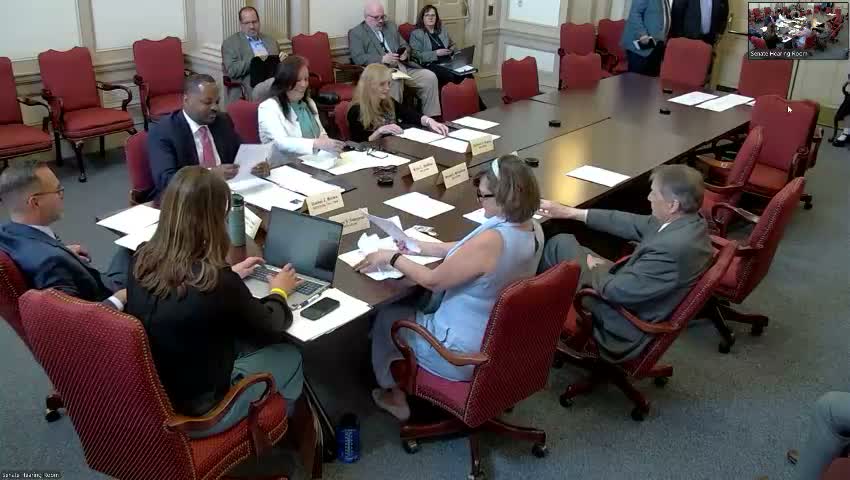
The chair presented Senate Bill 266 as a technical modernization and cleanup of Title 15 (the state elections code), stressing the bill "does not change who can vote, this bill doesn't change how votes are counted, and this bill does not change election outcomes." The measure would update definitions and procedures, including protections for residency during temporary absences, clearer rules on electronic voting systems and software updates, and formalize the absentee ballot curing process.
The chair said the bill largely codifies existing practices to make procedures more transparent and defensible. "Much of this bill codifies existing practices or interpretation of certain sections that have been in place before, so the rules are more clear, more transparent, more predictable as they're being implemented by the office," the chair said.
Committee members concentrated on audit provisions. An elections official explained the three levels of audits the bill codifies: a machine‑based first round (machines are randomly drawn from a container), a second round based on election districts (district identifiers randomly drawn), and a third round for statewide offices if applicable; the official emphasized all audits are physical counts of paper ballots conducted publicly. The official said the bill clarifies selection, requires audits to occur in public meetings, and tailors audit provisions to different types of elections and jurisdictions (statewide/county, Wilmington, school boards).
After questions and discussion, the transcript records a motion, a second, and a unanimous voice approval called by the chair. The provided excerpt does not include a roll‑call tally but records the chair announcing the vote as unanimous.
The chair said the bill largely codifies existing practices to make procedures more transparent and defensible. "Much of this bill codifies existing practices or interpretation of certain sections that have been in place before, so the rules are more clear, more transparent, more predictable as they're being implemented by the office," the chair said.
Committee members concentrated on audit provisions. An elections official explained the three levels of audits the bill codifies: a machine‑based first round (machines are randomly drawn from a container), a second round based on election districts (district identifiers randomly drawn), and a third round for statewide offices if applicable; the official emphasized all audits are physical counts of paper ballots conducted publicly. The official said the bill clarifies selection, requires audits to occur in public meetings, and tailors audit provisions to different types of elections and jurisdictions (statewide/county, Wilmington, school boards).
After questions and discussion, the transcript records a motion, a second, and a unanimous voice approval called by the chair. The provided excerpt does not include a roll‑call tally but records the chair announcing the vote as unanimous.
Don't Miss a Word: See the Full Meeting!
Go beyond summaries. Unlock every video, transcript, and key insight with a Founder Membership.
✓
Get instant access to full meeting videos
✓
Search and clip any phrase from complete transcripts
✓
Receive AI-powered summaries & custom alerts
✓
Enjoy lifetime, unrestricted access to government data
30-day money-back guarantee
