County, USF and TPO present neighborhood sensor network showing PM2.5 alignment with regulatory monitors
April 17, 2026 | Hillsborough County, Florida
This article was created by AI summarizing key points discussed. AI makes mistakes, so for full details and context, please refer to the video of the full meeting. Please report any errors so we can fix them. Report an error »
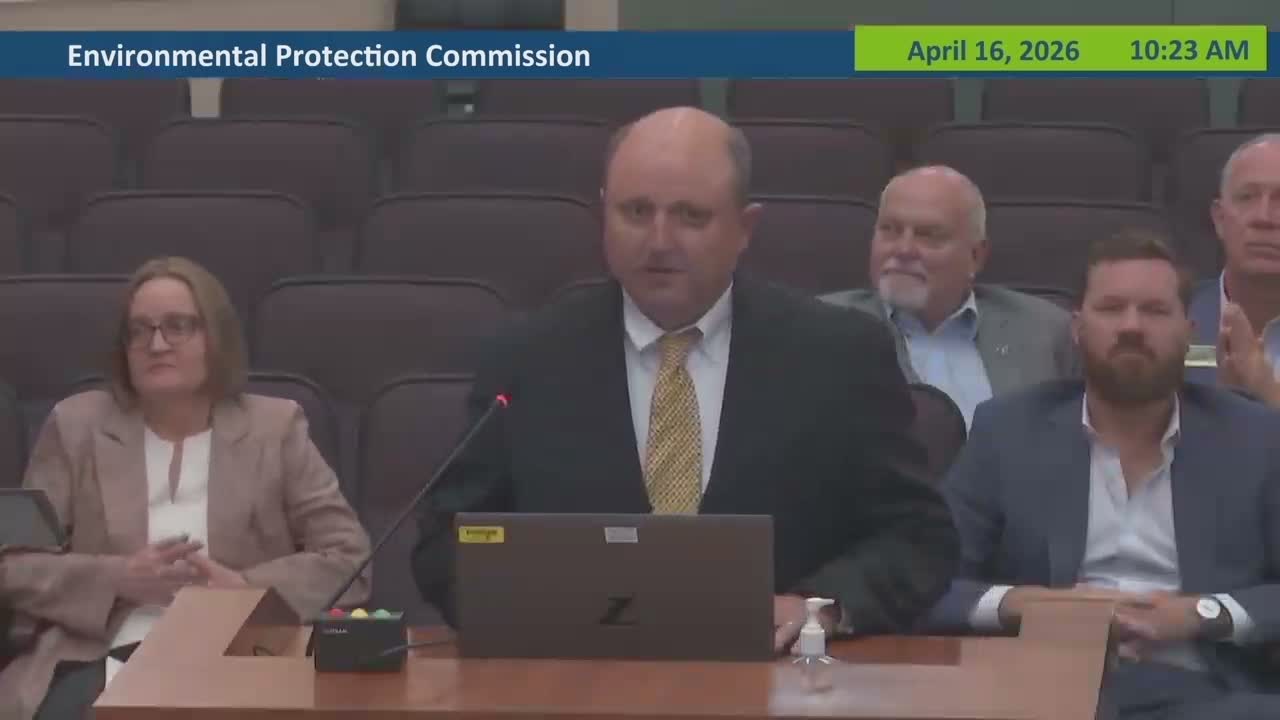
Jason Waters, EPC staff, and Dr. Amy Stewart of the University of South Florida presented the Hillsborough Community Air Monitoring Network pilot, a collaboration with the Transportation Planning Organization and community hosts.
Waters outlined the project's origins: a 2021 pilot to identify low‑cost monitors that could be colocated with regulatory sites to test performance and build a denser, community-focused network near traffic corridors and interchanges. He said the TPO and federal grants provided much of the funding and USF supplied student labor and analytic capacity.
Dr. Stewart summarized technical and community results. The network now includes 31 sensor-based monitors at 23 sites with community sites located at libraries, parks, and schools. After collocation and quality-assurance work—including a QAPP and test protocols—the team found 24-hour PM2.5 averages from the low-cost monitors compare well with reference instruments, while one-hour NO2 performance remains less reliable.
"We established this partnership," Stewart said, "and although the sensor data cannot be used for regulatory purposes, data from the community network align with the information provided with the regulatory network, which indicates the air quality in Hillsborough County meets US EPA standards." She noted the network's value for showing spatial variability, identifying local peaks (for example, during wildfires and fireworks), and for community education and youth programs.
The presenters described a public-facing guidebook, a website maintained by the TPO, and a QR-code poster at each monitoring site to help residents access and understand the data. The commission voted to receive the presentation; staff said they hope to expand the network as resources permit.
Waters outlined the project's origins: a 2021 pilot to identify low‑cost monitors that could be colocated with regulatory sites to test performance and build a denser, community-focused network near traffic corridors and interchanges. He said the TPO and federal grants provided much of the funding and USF supplied student labor and analytic capacity.
Dr. Stewart summarized technical and community results. The network now includes 31 sensor-based monitors at 23 sites with community sites located at libraries, parks, and schools. After collocation and quality-assurance work—including a QAPP and test protocols—the team found 24-hour PM2.5 averages from the low-cost monitors compare well with reference instruments, while one-hour NO2 performance remains less reliable.
"We established this partnership," Stewart said, "and although the sensor data cannot be used for regulatory purposes, data from the community network align with the information provided with the regulatory network, which indicates the air quality in Hillsborough County meets US EPA standards." She noted the network's value for showing spatial variability, identifying local peaks (for example, during wildfires and fireworks), and for community education and youth programs.
The presenters described a public-facing guidebook, a website maintained by the TPO, and a QR-code poster at each monitoring site to help residents access and understand the data. The commission voted to receive the presentation; staff said they hope to expand the network as resources permit.
View the Full Meeting & All Its Details
This article offers just a summary. Unlock complete video, transcripts, and insights as a Founder Member.
✓
Watch full, unedited meeting videos
✓
Search every word spoken in unlimited transcripts
✓
AI summaries & real-time alerts (all government levels)
✓
Permanent access to expanding government content
30-day money-back guarantee
